
Articles


Day Trips from Murcia: Cartagena, Lorca, Wine Country and Coastal Escapes

Murcia is a rewarding city in its own right, but it also makes a useful base for exploring the wider Región de Murcia. Within a relatively manageable distance of the city, you can reach Roman theatres, hilltop castles, quiet valleys, rice-growing landscapes, wine country, coastal towns and the warm, shallow waters of the Mar Menor.
This guide focuses on realistic day trips from Murcia, with an emphasis on places that add something different to a city break. Some are easy to do independently by train, bus or car. Others work better with a guide, especially if you want transport, wine tastings, local context or a more structured route handled for you.
Some articles on Culinary Travels may contain affiliate links, meaning I may earn a small commission at no extra cost to you. I only recommend places, experiences and products that fit the editorial tone and standards of the site.
Rather than treating every option as a full-day excursion, I have grouped the ideas by usefulness. Cartagena is the obvious first choice for many visitors, while Lorca, Ricote Valley, Calasparra, Murcia wine country and the coast all suit different kinds of trips. There is also a short section on Murcia city tours for travellers who want a guided experience without leaving the city.
Photograph: Javier Gallegos (Pexels)
In this guide
1) Quick answer
2) How to choose your Murcia day trip
3) Cartagena
4) Lorca
7) Calasparra
8) Mar Menor and coastal escapes
9) Outdoor and active day trips
13) FAQs
Quick Answer: Best Day Trips from Murcia
The best overall day trip from Murcia is Cartagena, especially for first-time visitors who want Roman history, port-city atmosphere, museums, food, views and a good range of low-cost and guided options in one place.
For history and monumental architecture, choose Lorca. It is a strong alternative to Cartagena if you want castles, churches, exhibitions and a less obvious inland cultural trip.
For scenery and slower travel, look towards Ricote Valley. This is one of the best choices if you want a landscape-led day beyond the city, with valley views, small towns and a different rhythm from Murcia’s historic centre.
For food and wine, consider Murcia wine country, Calasparra or Cartagena. Wine tastings and bodega visits work well as guided experiences, while Calasparra brings a more distinctive food-culture angle through rice, landscape and local produce.
For the coast, look at the Mar Menor, Puerto de Mazarrón, Águilas or Calblanque. These are better suited to travellers with a car or those happy to plan around specific tours, boat trips or seasonal conditions.
For a lower-cost day out, Cartagena is the easiest place to keep flexible. Travelling independently and combining the old town, Roman Theatre Museum, panoramic lift, castle views or a budget-friendly sightseeing option can keep costs down while still giving the day a clear shape.
For travellers without a car, Cartagena and Lorca are the most practical starting points. Timetables vary, so always check current train or bus times before planning the day, especially if you are visiting outside peak season, on a Sunday or around public holidays.
Photograph: Pucon (Pixabay)
How to Choose Your Murcia Day Trip
The best day trip from Murcia depends on how much time you have, how you are travelling, and what kind of experience you want beyond the city. Cartagena, Lorca, Ricote Valley, Murcia wine country and the coast all offer something different, so it helps to choose by mood rather than simply picking the closest place on the map.
If this is your first visit to the region, Cartagena is the easiest all-round choice. It has Roman history, a walkable old town, port views, museums, food stops and several low-cost attractions, making it one of the most flexible day trips from Murcia. It is also one of the better options if you do not want to hire a car. For broader trip planning, see the main 3 days in Murcia itinerary.
Photograph: Malcolm Ketteridge (Unsplash)
If you are drawn to castles, monumental buildings and inland history, Lorca is a strong alternative. It feels less obvious than Cartagena, but that is part of its appeal. Lorca works well for travellers who want a cultural day trip with churches, exhibitions, historic streets and hilltop views rather than a coastal or food-led excursion.
For a slower and more scenic day, Ricote Valley is one of the most distinctive options. This is the trip to consider if you want small towns, river landscapes, valley roads and a quieter sense of the region beyond Murcia city. It is generally better suited to travellers with a car or those booking a guided route, as public transport can be limiting for a properly rounded valley day.
For food and drink, it is worth being selective. Murcia has excellent food-led experiences, but this guide is not intended to duplicate the dedicated food and drink excursions in Murcia article. For a day trip, the strongest food angles are those rooted in place: wine country, rice-growing landscapes around Calasparra, Cartagena’s market and tapas culture, or a bodega visit that includes transport or a clear regional story.
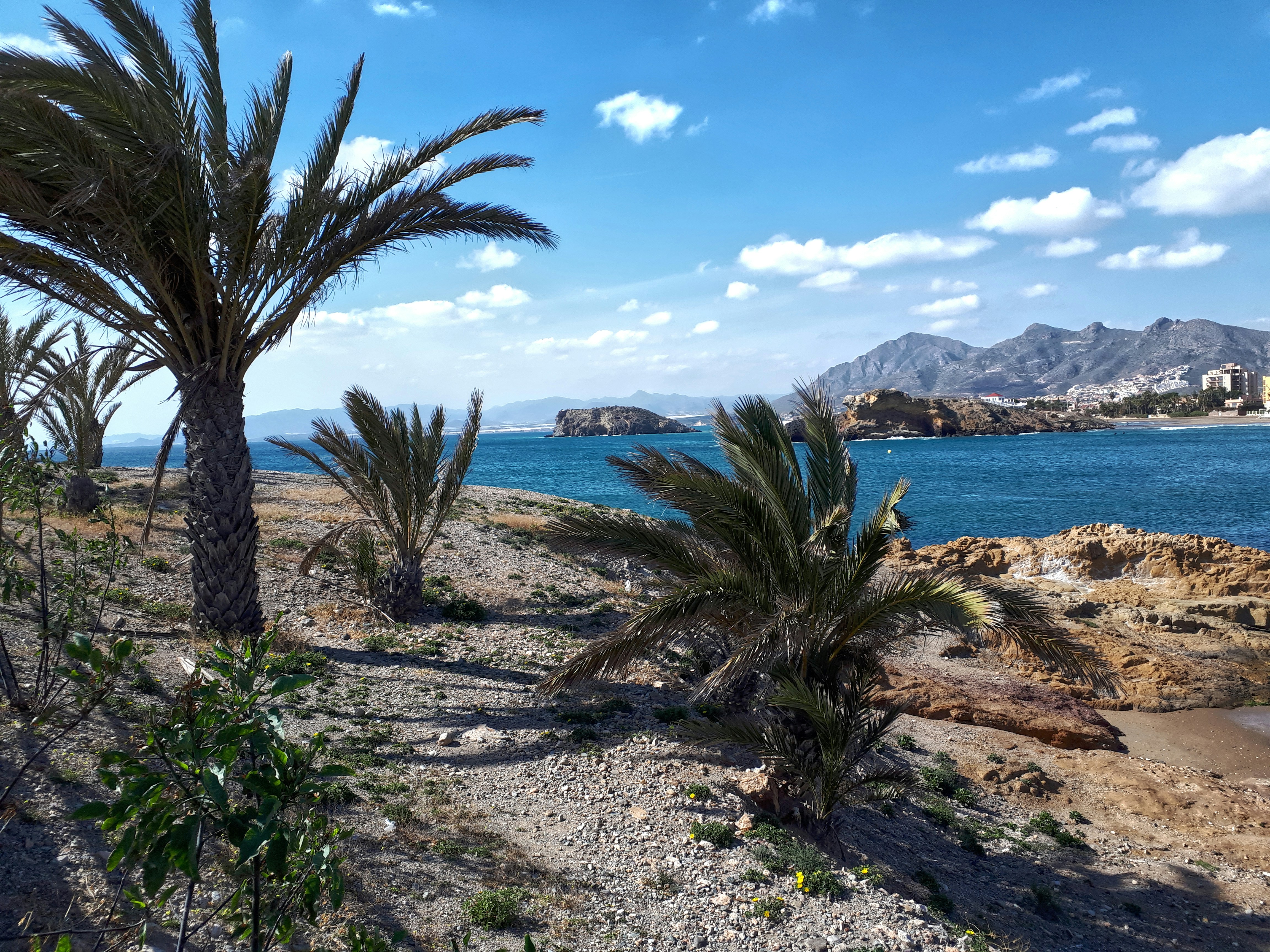
For the coast, think carefully about the kind of day you want. The Mar Menor suits boat trips, gentle water and relaxed coastal time. Puerto de Mazarrón and Águilas bring a more open Mediterranean feel, while Calblanque is better for walkers and beach-seekers who want a wilder landscape. Coastal trips are often easiest with a car, although some boat tours and guided experiences can help if you are not driving.
Photograph: David Hall (Unsplash)
Budget matters too. A day trip does not have to mean a private guide or full-day tour. Some of the best-value options are simple: taking public transport to Cartagena, choosing one paid museum or viewpoint, using a low-cost sightseeing bus, or building the day around a market, old town walk and a good lunch. Mid-range guided walks, boat trips and tastings can add structure, while premium private tours are most useful when they include transport, expert context or access to places that are awkward to combine independently.
As a rough rule, choose Cartagena for the easiest first day trip, Lorca for inland history, Ricote Valley for scenery, Calasparra for rice and food culture, Murcia wine country for tastings, and the Mar Menor or Calblanque for coast and outdoor time. If you are short on time, tired from travelling or visiting without a car, a guided Murcia city walk, cathedral tour, museum visit or evening experience may be the more realistic choice.
For accommodation planning before you decide how many day trips to build into your stay, see the guide to where to stay in Murcia. If you are timing your visit around Semana Santa, Bando de la Huerta or other cultural events, the Murcia festivals guide may also help you decide which days are best kept in the city.
Cartagena: Roman History, Port Views and an Easy First Day Trip
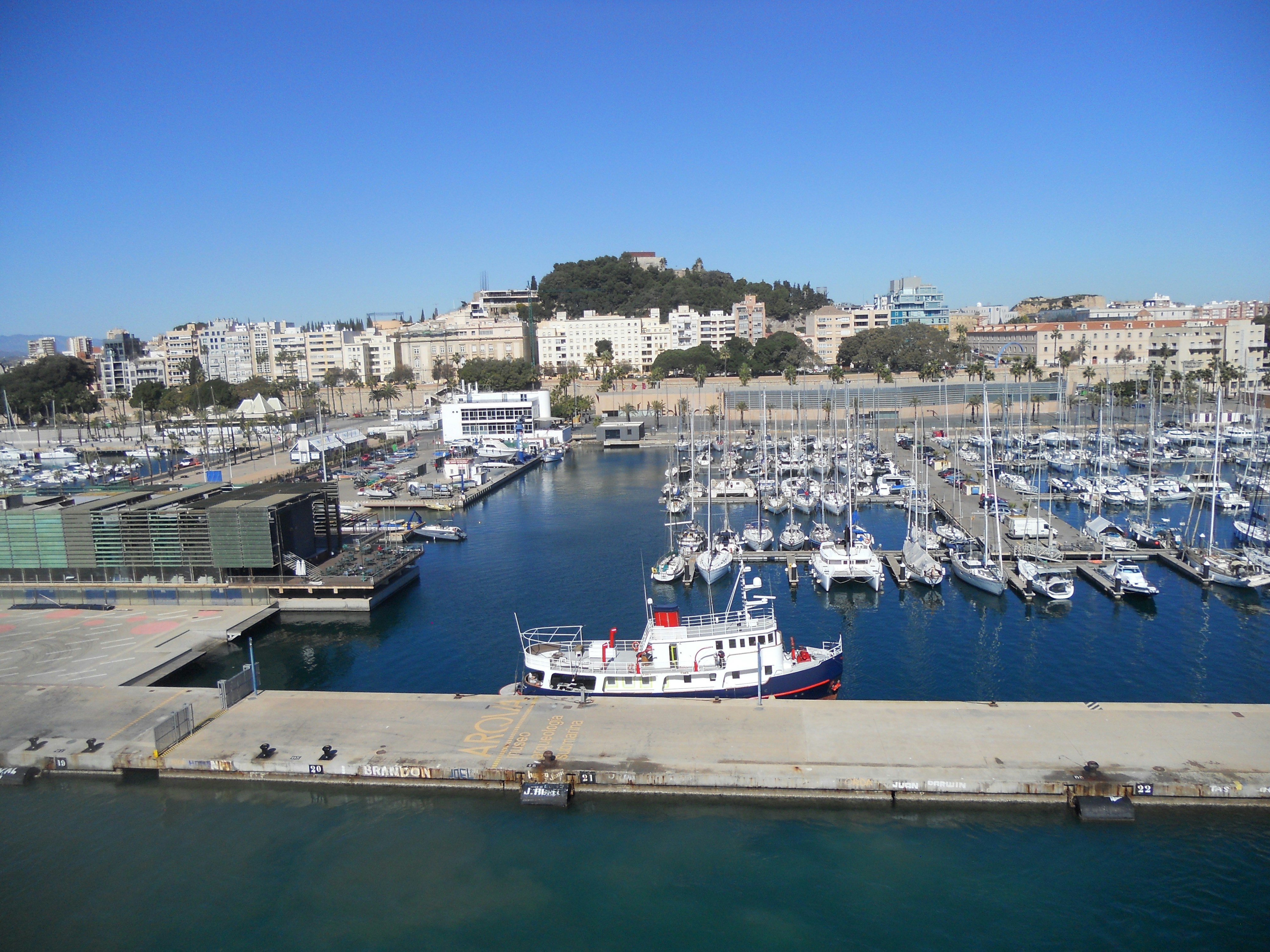
Cartagena is the day trip from Murcia I would suggest first for most visitors. It has the range: Roman ruins, a compact old town, harbour views, museums, hilltop viewpoints, food stops and enough structure to fill a day without feeling rushed. If you only have time for one trip beyond Murcia city, Cartagena is the most complete choice.
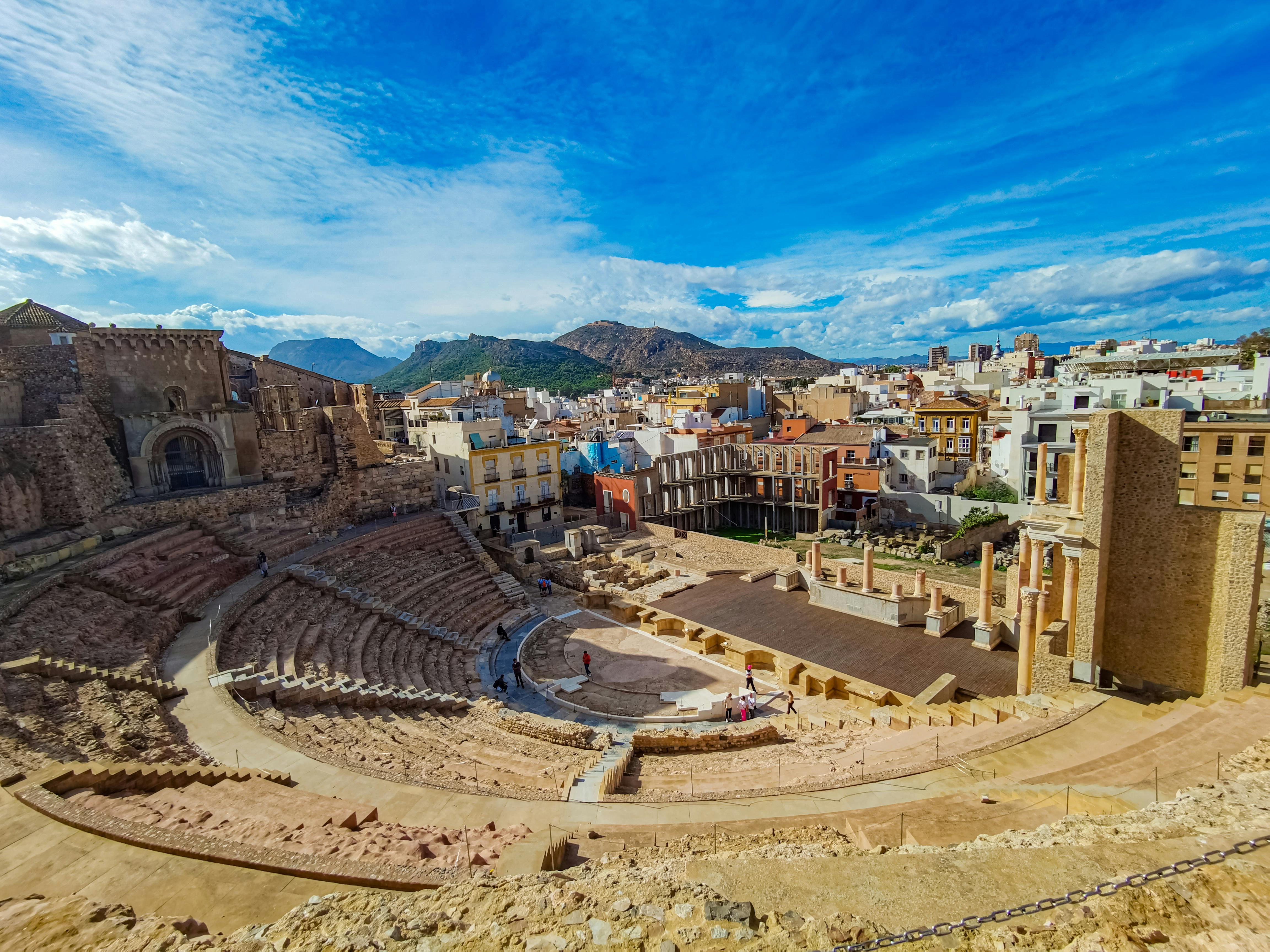
The city’s headline sight is the Roman Theatre Museum, one of the strongest reasons to make the journey. The theatre sits right in the historic centre, which makes it easy to combine with a slow walk through the old town, a visit to the port, the panoramic lift, castle views and a long lunch. Cartagena also has a layered identity that feels quite different from Murcia: Roman, military, maritime and Mediterranean all at once.

Photograph: Iamkberry (Pexels)
For independent travellers, Cartagena works well because you can shape the day around your own budget. A low-cost version might mean travelling by train or bus, booking the Roman Theatre, Forum, Castle and Panoramic Lift tickets, then leaving time for the waterfront and old town. If you want an inexpensive overview before deciding where to spend longer, a panoramic sightseeing bus can be a simple, budget-friendly option.
Cartagena is also one of the best places in the region for a guided experience, because the city’s history is rich but not always immediately obvious if you are wandering alone. A Roman history walking tour can help connect the theatre, forum, castle and old streets, while a tapas and history tour gives the day a more food-led shape without turning it into a purely restaurant-focused trip.
That said, I would keep Cartagena broad rather than treating it only as a food stop. There are several good market, tapas and culinary tours here, but those sit naturally alongside the city’s archaeological and maritime story. For a deeper look at food-led options across the region, see the dedicated guide to food and drink experiences in Murcia.
Cartagena is especially useful if you are visiting Murcia without a car. Public transport makes it one of the more realistic independent day trips, although you should always check current timetables before travelling, particularly on Sundays, public holidays or outside the main visitor season. If you are staying in Murcia city and want to keep your base central, the guide to where to stay in Murcia may help you choose an area with easier access to transport links.
Best for: first-time visitors, Roman history, museums, food with context, harbour views and low-cost day trip planning.
Best without a car? Yes. Cartagena is one of the easier day trips from Murcia to plan independently, provided you check current train or bus times before setting off.
Budget level: Flexible. Cartagena can work as a lower-cost independent day out, a mid-range guided history or tapas walk, or a more premium private tour if you want a guide to handle the structure.

Photograph: Suayp Benian (Pexels)
Lorca: Castles, Monuments and Inland History
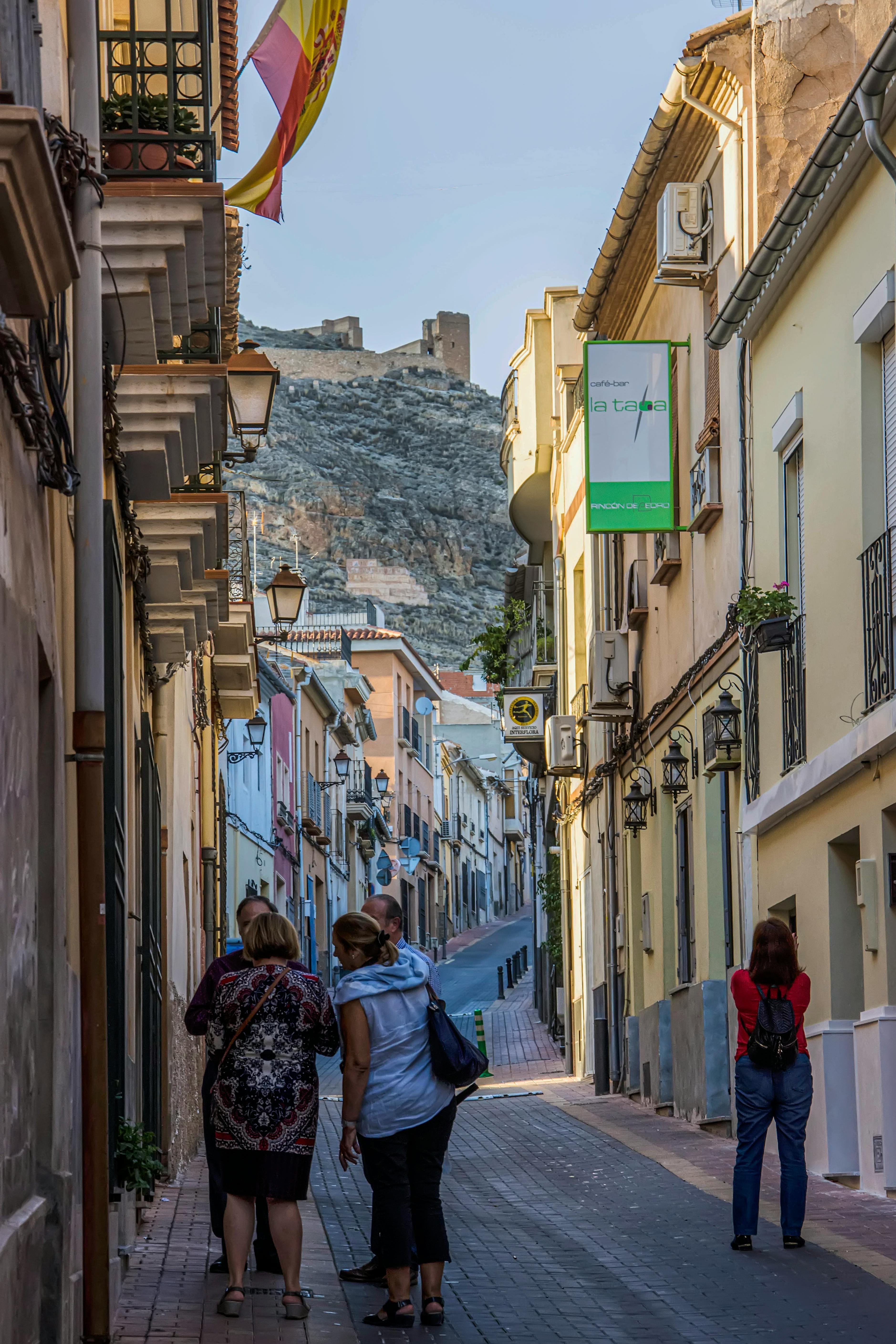
Lorca is one of the best day trips from Murcia if you want history without heading straight for the coast. Often described as the City of the Sun, it has a more inland, monumental feel than Cartagena, with a hilltop castle, historic churches, museums, old streets and wide views across the surrounding landscape.
The main reason to visit is Lorca Castle, which sits above the city and gives the day a clear focal point. It is the kind of place where a little context helps, especially if you are interested in medieval history, frontier landscapes, religious architecture or the way this part of south-eastern Spain has been shaped by different cultures over time.
Lorca works particularly well for travellers who like their day trips structured around heritage rather than beaches or food stops. You could build the day around the castle, the old town and one or two key monuments, or choose a guided Lorca monuments and exhibitions tour if you want the main sights connected for you.
Compared with Cartagena, Lorca is less of an obvious first choice, but that can be part of its appeal. It gives the Murcia cluster a stronger inland thread and makes the wider region feel more varied. If Cartagena is the easy all-rounder, Lorca is the day trip for travellers who want something quieter, more architectural and a little less expected.
Photograph: Ana Hidalgo Burgos (Pexels)
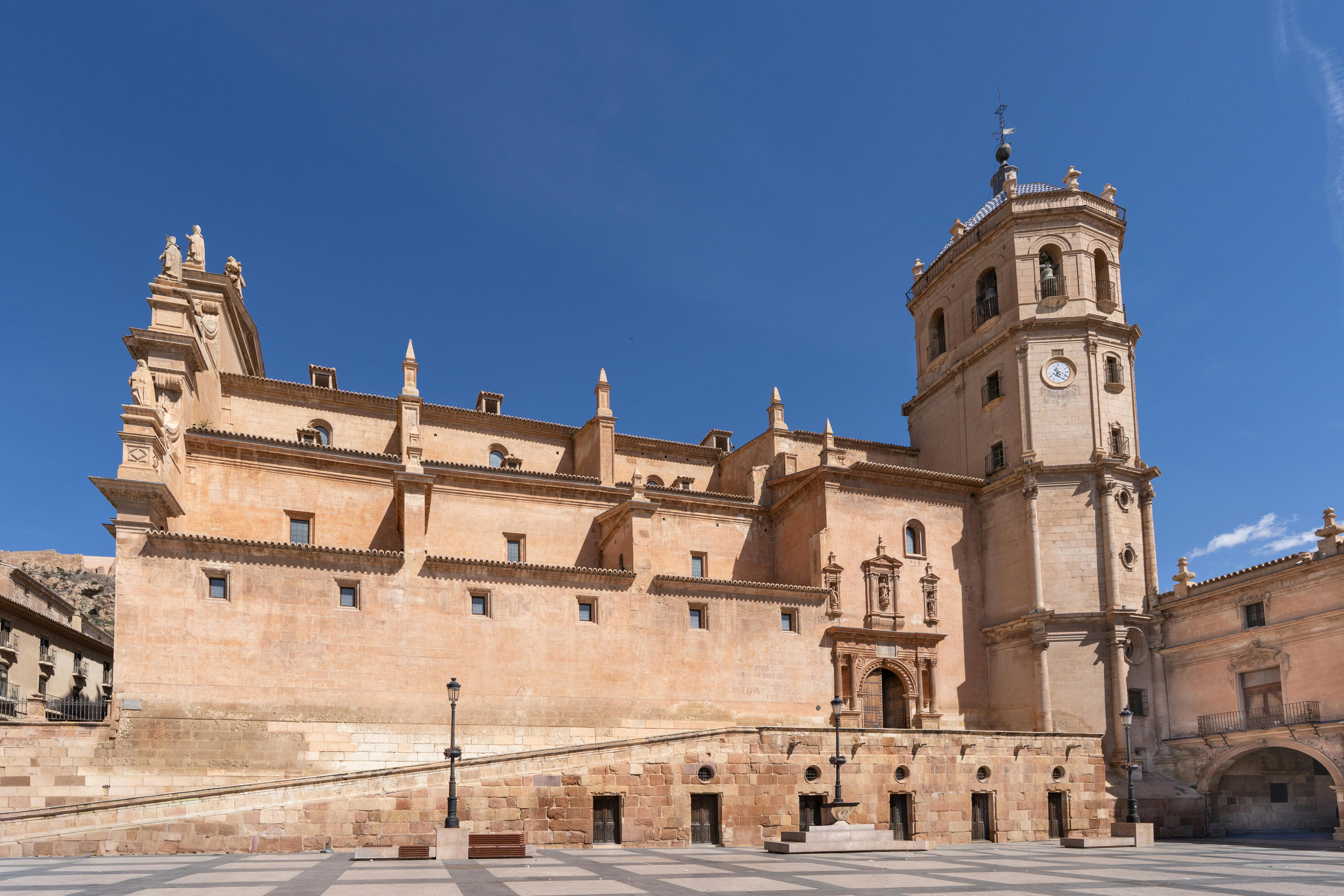
There are also smaller, more focused ways to experience the city. If you are especially interested in religious architecture, an audio-guided visit to the Old Collegiate Church of San Patricio could be useful as part of a self-guided day. For most visitors, though, Lorca works best when the castle and historic centre are planned together rather than treated as isolated stops.
Lorca is worth checking carefully for transport before you commit. It may be possible to visit independently, but timings, station access and opening hours will shape how realistic the day feels. If you are hiring a car, it becomes easier to combine Lorca with a slower inland route, a lunch stop or another nearby point of interest.
Best for: castles, inland history, monumental architecture, quieter cultural travel and a less obvious alternative to Cartagena.
Best without a car? Possible, but check current train or bus times carefully before planning the day. A car or guided tour will usually make the trip more flexible.
Budget level: Flexible. Lorca can work as an independent cultural day with selected paid entries, or as a mid-range guided heritage experience if you want more structure.
Photograph: Emilio Sánchez Hernández (Pexels)
Ricote Valley: Slow Roads, River Landscapes and Hidden Villages
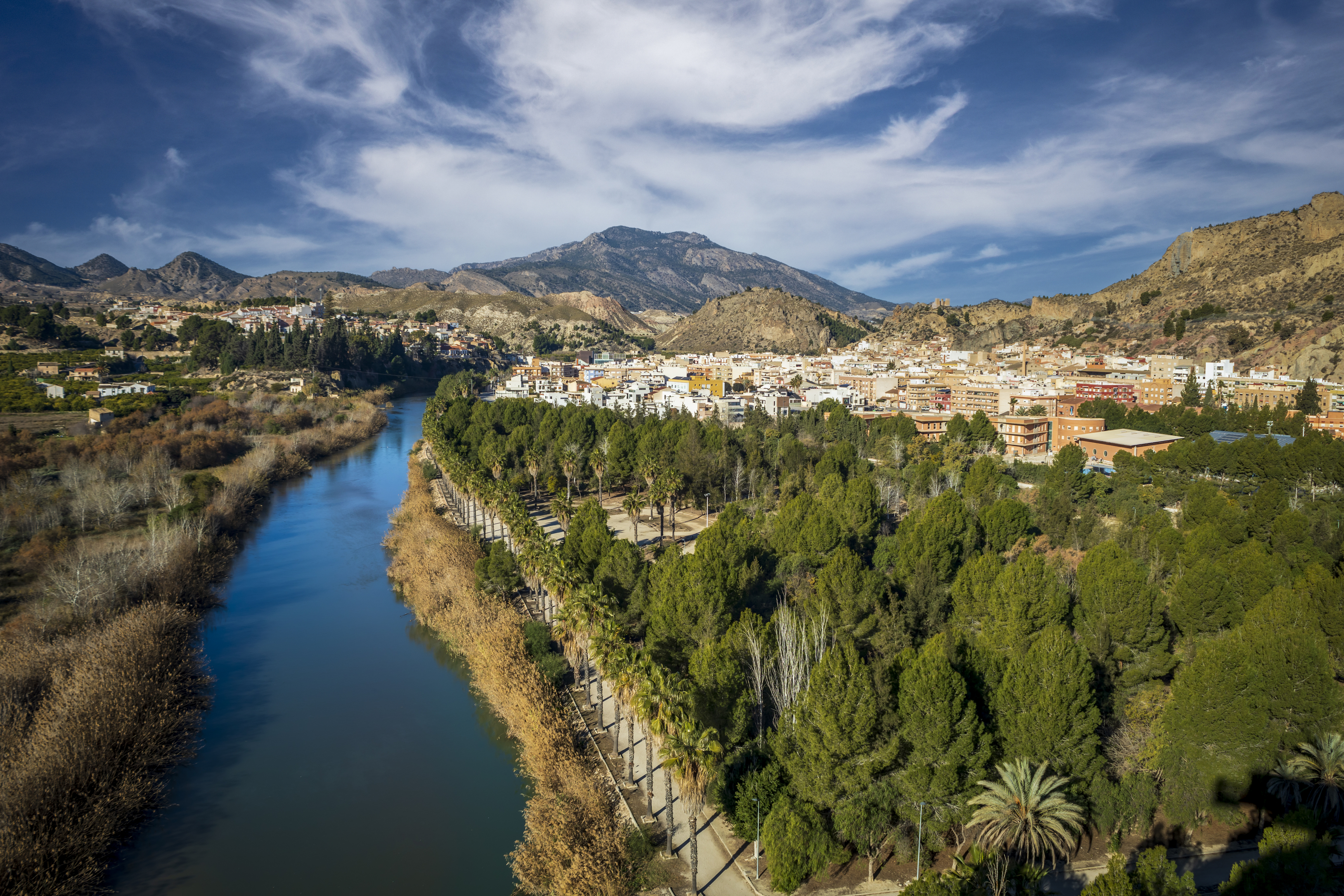
Ricote Valley is the day trip from Murcia to choose when you want scenery rather than another city. North of Murcia, the valley follows the Segura River through a softer inland landscape of small towns, orchards, palms, hillsides and quiet roads. It gives the region a different mood: slower, greener and more rural than Murcia city, Cartagena or Lorca.
This is not necessarily the easiest day trip to do by public transport, but it is one of the most rewarding if you have a car or choose a guided route. The appeal lies in the movement between places rather than one single headline monument. Towns and villages such as Ricote, Ojós, Abarán or Blanca can be used as anchors for a gentle day of viewpoints, short walks, river scenery and old streets.
Ricote Valley works best if you are happy to travel slowly. This is not the place to overfill the itinerary. Build in time for a coffee stop, a viewpoint, a short wander and a long lunch if you find somewhere appealing. The valley is especially useful if your Murcia trip has already included the Cathedral, the old town, markets and museums, and you want to see a more rural side of the region.
Photograph: Antonio López Velasco (Dreamstime)
If you prefer to have the route planned for you, a guided Ricote Valley tour can make sense, particularly because the area is more awkward to piece together without a car. More active travellers could also look at a Ricote Valley buggy ride, though I would treat that as a more specific adventure option rather than the default way to see the valley.
For a gentler independent version, plan a simple circular route rather than trying to tick off every village. Choose one or two main stops, check parking before you go, and avoid building the day around tight timings. In hot weather, start early and keep the middle of the day loose. The valley is at its best when it feels unhurried.
Ricote Valley also pairs well with the wider food story of Murcia without duplicating a dedicated food tour. This is a landscape of agriculture, river life and small settlements, so it sits naturally alongside the guide to what to eat in Murcia, especially if you are interested in how the region’s produce and geography connect.
Best for: scenery, slow travel, inland landscapes, small towns, valley views and a quieter contrast to Murcia city.
Best without a car? Not really. Ricote Valley is much easier with a car or a guided route, as the appeal comes from moving between several places rather than visiting one single town.
Budget level: Flexible if driving independently, mid-range to premium if booking a guided or private route. Active experiences may cost more but can add structure for travellers who want something beyond sightseeing.
Murcia Wine Country: Bodegas, Tastings and Regional Flavour
Murcia wine country is a good day trip option if you want to understand the region beyond the city’s old town, markets and tapas bars. The wider Region of Murcia has several wine-producing areas, with routes that can bring together vineyards, bodegas, tastings, rural landscapes and a stronger sense of how food and drink sit within the region’s identity.
This is one of the day trips from Murcia where a guided experience can be particularly useful. Unless you are happy to drive and skip the tasting element, booking a Murcia bodega visit with wine tasting or a wine tour with transport included takes a lot of the practical work out of the day. It also means you can focus on the wines, the setting and the food pairings rather than planning routes between bodegas.

Photograph: Jill Wellington (Pixabay)
For most short-break travellers, I would treat wine country as a curated half-day or full-day experience rather than trying to build a complicated self-guided route. Look for tours that clearly explain what is included, whether transport is provided, how many wines are tasted, whether food or appetisers are part of the visit, and where the tour starts. Some experiences are easier from Murcia city, while others may work better if you are already driving through the region or staying nearer Cartagena or the coast.
Wine-focused day trips can overlap with Murcia’s broader food scene, so it is worth choosing carefully. For this article, the strongest options are those that give a clear sense of place: a bodega visit, a vineyard route, a tasting linked to local produce, or a guided experience that explains the region rather than simply offering a glass of wine. For a deeper look at bookable food and drink experiences, see the full guide to food and drink experiences in Murcia.
If you are planning your stay around food, wine and cultural events, it is also worth checking the Murcia festivals guide, as seasonal celebrations can affect the rhythm of the city and wider region. Wine country is especially appealing if you want a slower day after sightseeing, or if your Murcia itinerary already includes the Cathedral, Real Casino, Mercado de Verónicas and the city’s main historic streets.
Best for: wine tasting, bodegas, rural landscapes, food pairings and a more produce-led view of the region.
Best without a car? Yes, if you choose a tour with transport included. Otherwise, it can be awkward, especially if you want to taste wine rather than just visit the area.
Budget level: Usually mid-range to premium. Wine tours tend to cost more than simple museum tickets or self-guided city days, but they can offer good value if transport, tastings, food and local context are included.
Calasparra: Rice Fields, River Landscapes and a Different Food Story
Calasparra is one of the more distinctive day trips from Murcia if you want a food-led excursion that is about landscape and produce rather than restaurants or tapas. The town is closely associated with rice, and its surrounding countryside gives this part of the region a quieter, more agricultural identity.
This is the kind of day trip that works best for travellers who enjoy understanding where food comes from. Instead of building the day around a single monument, Calasparra is more about rice-growing landscapes, river scenery, rural routes and the connection between geography and what ends up on the plate. It is a useful contrast if your Murcia itinerary has already included city markets, historic streets and restaurant-led food experiences.
For a more structured visit, a Calasparra rice route can help give the day shape, especially if you want local context rather than simply driving through the area. There are also more landscape-focused options, such as a Calasparra geological or underground route, which may suit travellers interested in the region’s terrain as much as its food culture.
Calasparra is not necessarily the easiest choice if you are relying on public transport, so I would treat it as a better option for travellers with a car or those booking a specific guided experience. It is also worth checking timings carefully, as rural attractions, tours and restaurants may not run with the same frequency as city-based sights in Cartagena or Murcia.
Editorially, Calasparra sits nicely between the guide to what to eat in Murcia and this wider day trips article. It gives readers a way to follow the region’s food story into the landscape, without turning the day into another market walk or tasting tour.
Best for: rice, food culture, rural landscapes, produce-led travel and a quieter inland day trip.
Best without a car? Not ideal. Calasparra is much easier with a car or a guided experience, particularly if you want to include countryside stops or follow a rice route.
Budget level: Usually low to mid-range if driving independently, with guided rice, geology or countryside experiences adding more structure and cost.
Photograph: rudiernst (Adobe Stock)
Mar Menor and Coastal Escapes: Boat Trips, Beaches and Sea Air
The coast gives day trips from Murcia a very different feel, especially if you have spent most of your time in the city’s historic centre. Depending on how far you want to travel, you can look towards the Mar Menor, Puerto de Mazarrón, Águilas or the wilder beaches and walking routes around Calblanque.
The Mar Menor is the gentlest coastal option. Its lagoon setting, warm shallow water and island views make it a good choice for boat trips, relaxed time by the water and a softer kind of seaside day. A Mar Menor five-island boat tour can give the day a clear shape, especially if you want to spend time on the water rather than simply driving between viewpoints.
Puerto de Mazarrón works better if you want a more open Mediterranean feel, with beaches, harbour atmosphere and a broader coastal rhythm. It is also one of the more interesting options if you are looking for something a little different, such as an undersea wine tasting in Puerto de Mazarrón. That kind of experience is niche, so I would treat it as a memorable add-on rather than the main reason to choose the coast.
Águilas is another option for travellers who want a proper coastal town rather than a quick beach stop. It sits further from Murcia than some of the easier day trips, so it is better for visitors with a car or those who want to make the coast the focus of the whole day. If you prefer a little structure, an Águilas private walking tour may help connect the town’s history, seafront and viewpoints.
Calblanque is the coastal choice for walkers, photographers and travellers who prefer wilder landscapes to resort promenades. It is better treated as an outdoor day trip than a classic sightseeing excursion, with beaches, cliffs, tracks and protected scenery. A guided Calblanque hiking tour could be useful if you want local guidance, route structure or more confidence exploring the area.
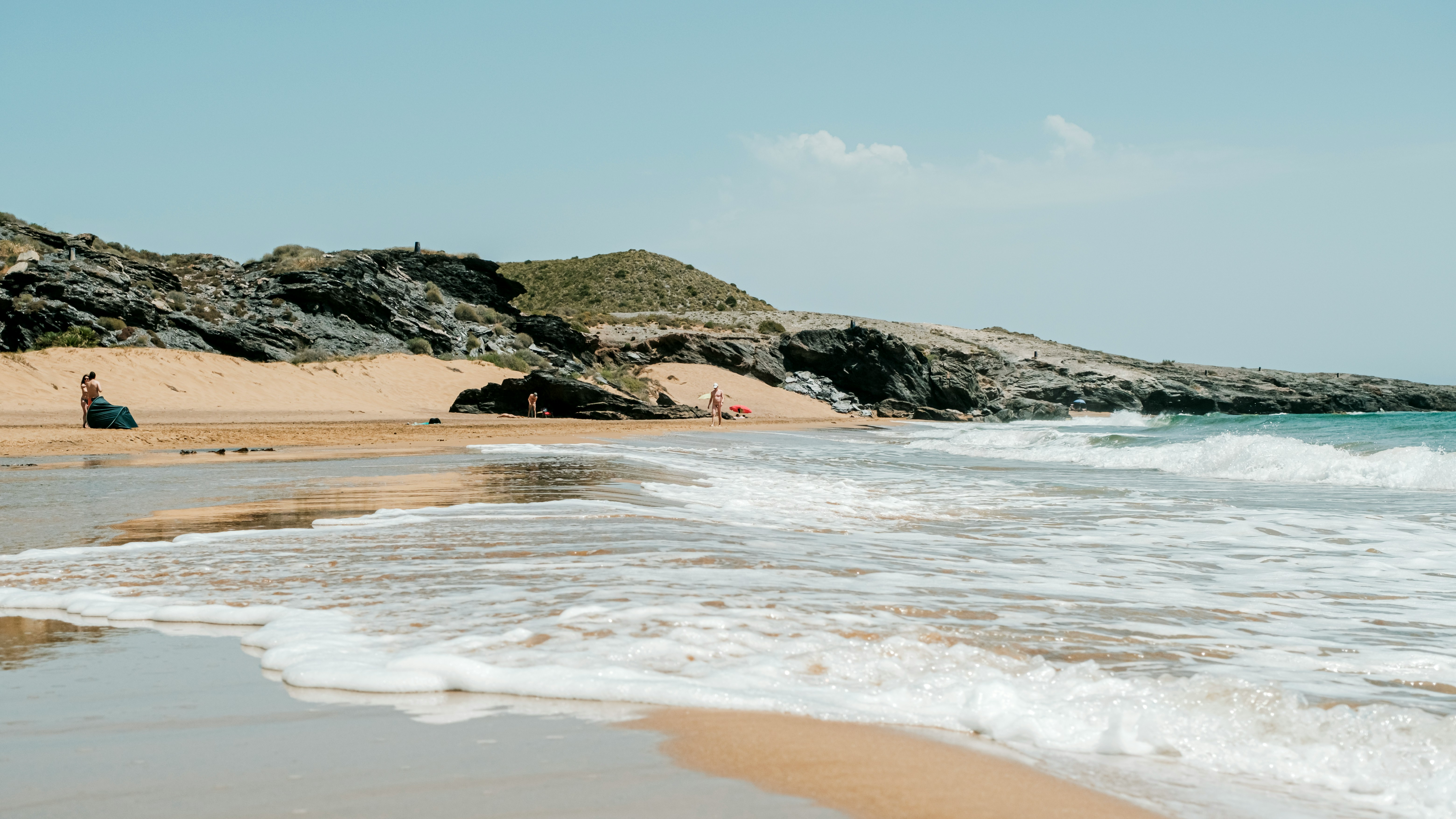
Photograph: Pablo Jiménez Pérez (Unsplash)
Coastal day trips are where a car becomes especially useful. While some tours and boat trips can help provide structure, many of the best coastal routes are easier when you can choose your own timings, stop for views and avoid being tied to limited public transport. In summer, start early, build in shade and water, and avoid planning too much in the hottest part of the day.
The coast also needs a little more practical planning than Cartagena or Lorca. Check seasonal opening hours, boat schedules, parking arrangements, beach access and weather conditions before you go. For travellers building a wider Murcia itinerary, the coast can work especially well after a city-focused day of Cathedral, markets and museums, or as a slower final day before travelling home.
Best for: boat trips, beaches, sea views, slower coastal time, summer planning and a change of pace from Murcia city.
Best without a car? Possible for selected tours or simpler routes, but a car gives you much more flexibility, especially for Calblanque, Puerto de Mazarrón and Águilas.
Budget level: Mixed. A simple beach or coastal town day can be low-cost if you drive independently, while boat trips, guided hikes and specialist experiences sit more in the mid-range bracket.
Outdoor and Active Day Trips from Murcia
If you want a more active day trip from Murcia, the region has several options that move beyond city sightseeing. This is where the landscape starts to matter more than monuments: river routes, coastal paths, mining landscapes, inland trails, cycling routes, geological sites and guided outdoor experiences.
Blanca, in the Ricote Valley area, is one of the more natural choices for river-based activity. A rafting trip on the Segura River in Blanca can give the day a completely different rhythm from Murcia’s old town or Cartagena’s Roman streets. It is best suited to travellers who want movement, water and scenery rather than museums or long lunches.
For walkers, Calblanque is one of the strongest coastal options. Its protected landscape of cliffs, beaches and tracks feels wilder than the more developed coastal areas, and a guided hiking tour around Calblanque could be useful if you want a clearer route, local context or more confidence exploring the area.
There are also inland and Camino-adjacent options for travellers who want a more route-based day. A bike tour connected to the Camino de Levante near Caravaca may appeal if you are interested in pilgrimage routes, cycling or the idea of using Murcia as part of a wider slow-travel journey. For now, I would treat this as a specialist day trip rather than part of the main Murcia city-break route.
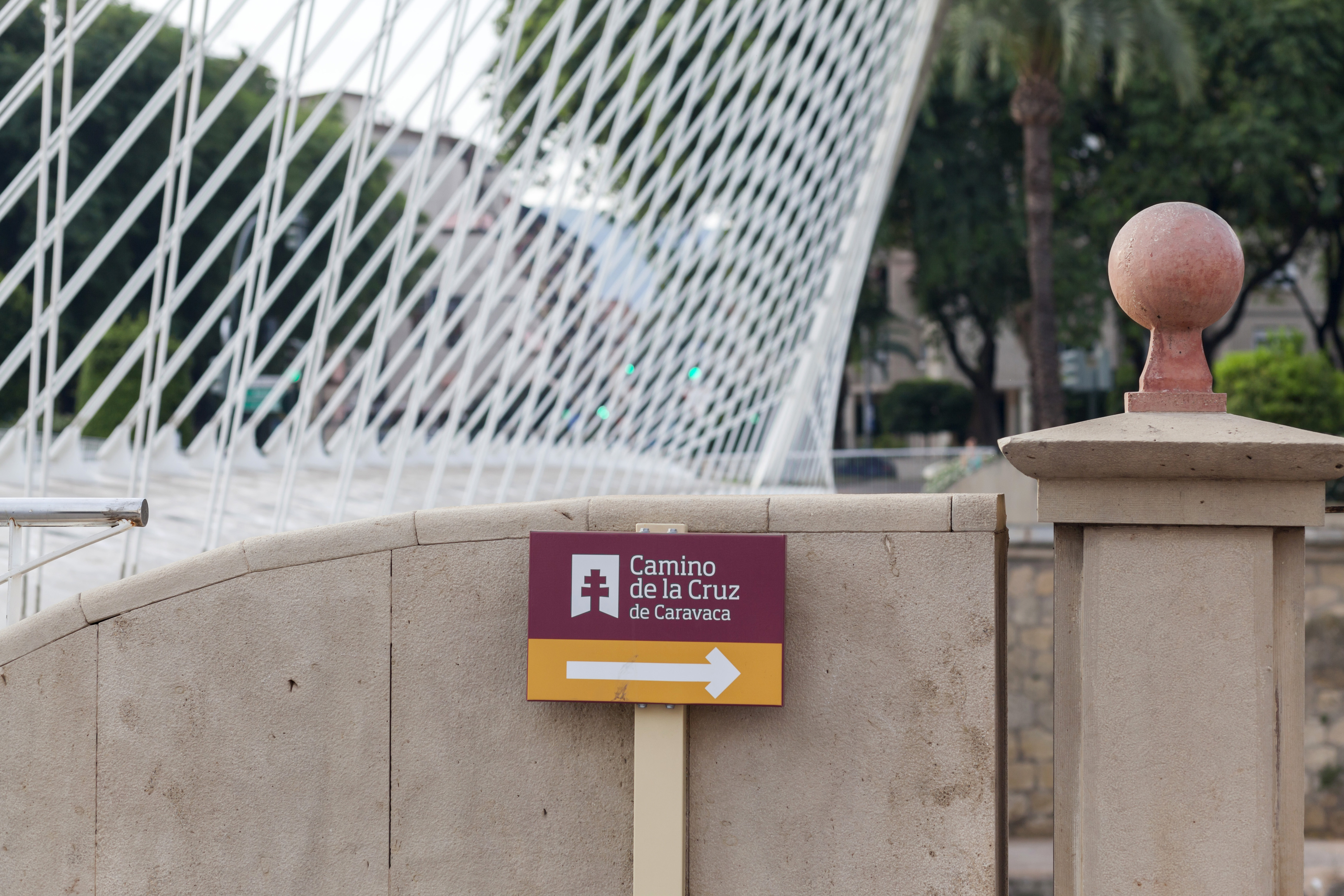
Photograph: Juan Bautista Cofreces (Dreamstime)
If you prefer landscapes with a stronger industrial or geological story, look at experiences such as a Portmán mining tour or a Calasparra geological route. These are more niche than Cartagena or Lorca, but they help show how varied the region can be once you move beyond the obvious city-and-coast itinerary.
More adventure-led options, such as a buggy ride in the Ricote Valley or a horseback ride with brunch near Murcia, are worth considering if you want the day to feel like an experience rather than a classic sightseeing trip. I would choose these for the activity itself, rather than as the most comprehensive way to understand the region.
Active day trips need more practical planning than a simple city visit. Check the meeting point carefully, especially if the experience does not start in Murcia city. Confirm what is included, whether transfers are provided, what level of fitness is expected, and whether equipment, insurance or food is part of the price. In warmer months, early starts, water, sun protection and realistic pacing matter more than squeezing in another stop.
Best for: walkers, cyclists, outdoor travellers, active couples, river activities, coastal hikes and travellers who want a different side of the region.
Best without a car? Usually only if the activity includes transport or starts somewhere you can reach easily. Many outdoor experiences are simpler with a car, especially those in valleys, coastal parks or rural areas.
Budget level: Usually mid-range. Guided outdoor activities tend to cost more than museum tickets or self-guided city days, but they can offer good value when equipment, route planning, local guidance or transfers are included.
Murcia City Tours: If You Do Not Want a Full Day Trip
Not every spare day in Murcia needs to involve trains, coastal roads or a full regional excursion. If you are short on time, visiting without a car, travelling in very hot weather or simply want to understand the city more deeply, a Murcia city tour can be the better choice.
The most useful city-based experiences are those that add context to places you may already pass during a self-guided walk. A Murcia old town walking tour can help connect the Cathedral, Plaza Cardenal Belluga, the Real Casino, Plaza de las Flores and the city’s historic streets in a way that feels more coherent than simply wandering between landmarks.
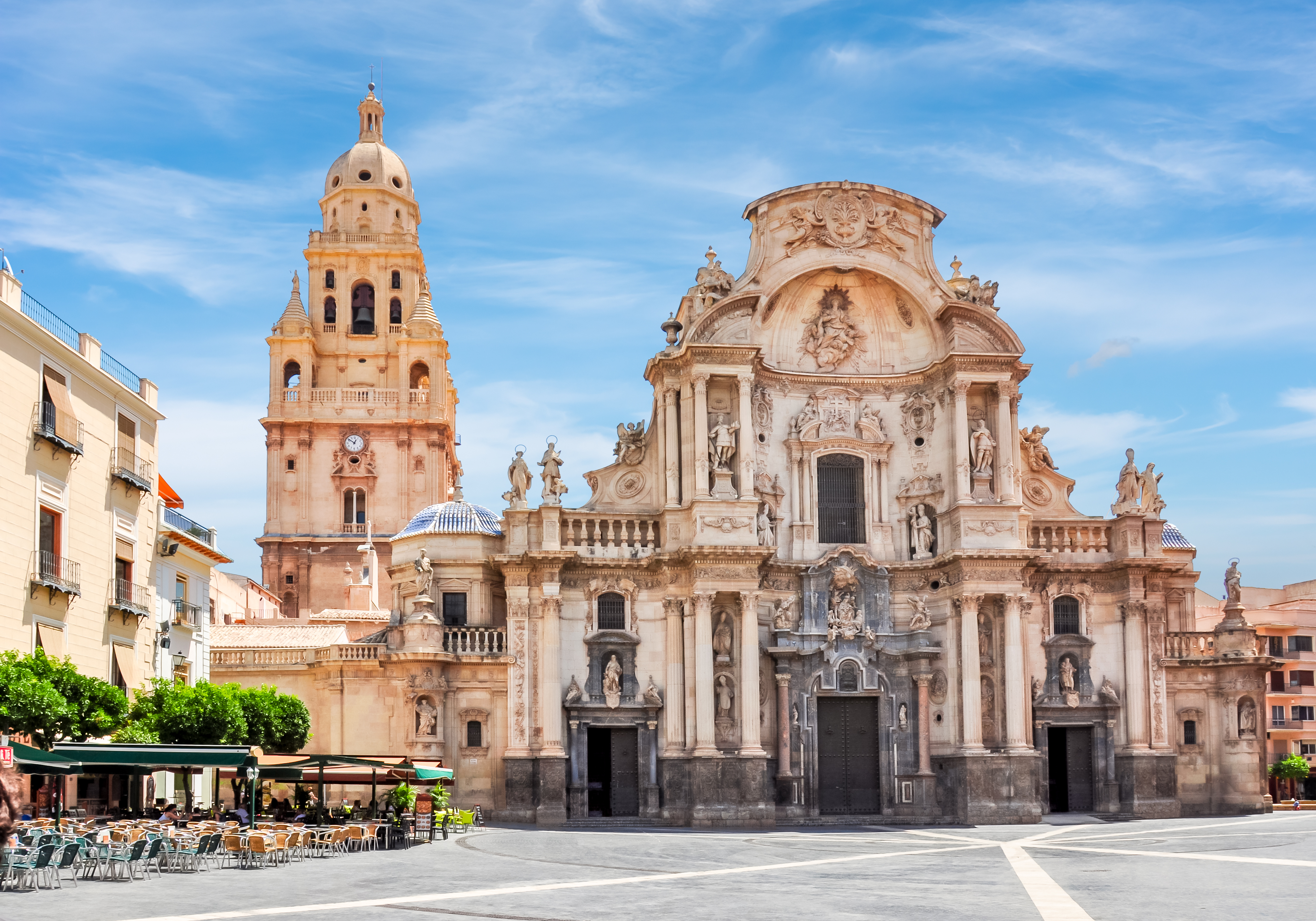
Photograph: Mistervlad (Shutterstock)
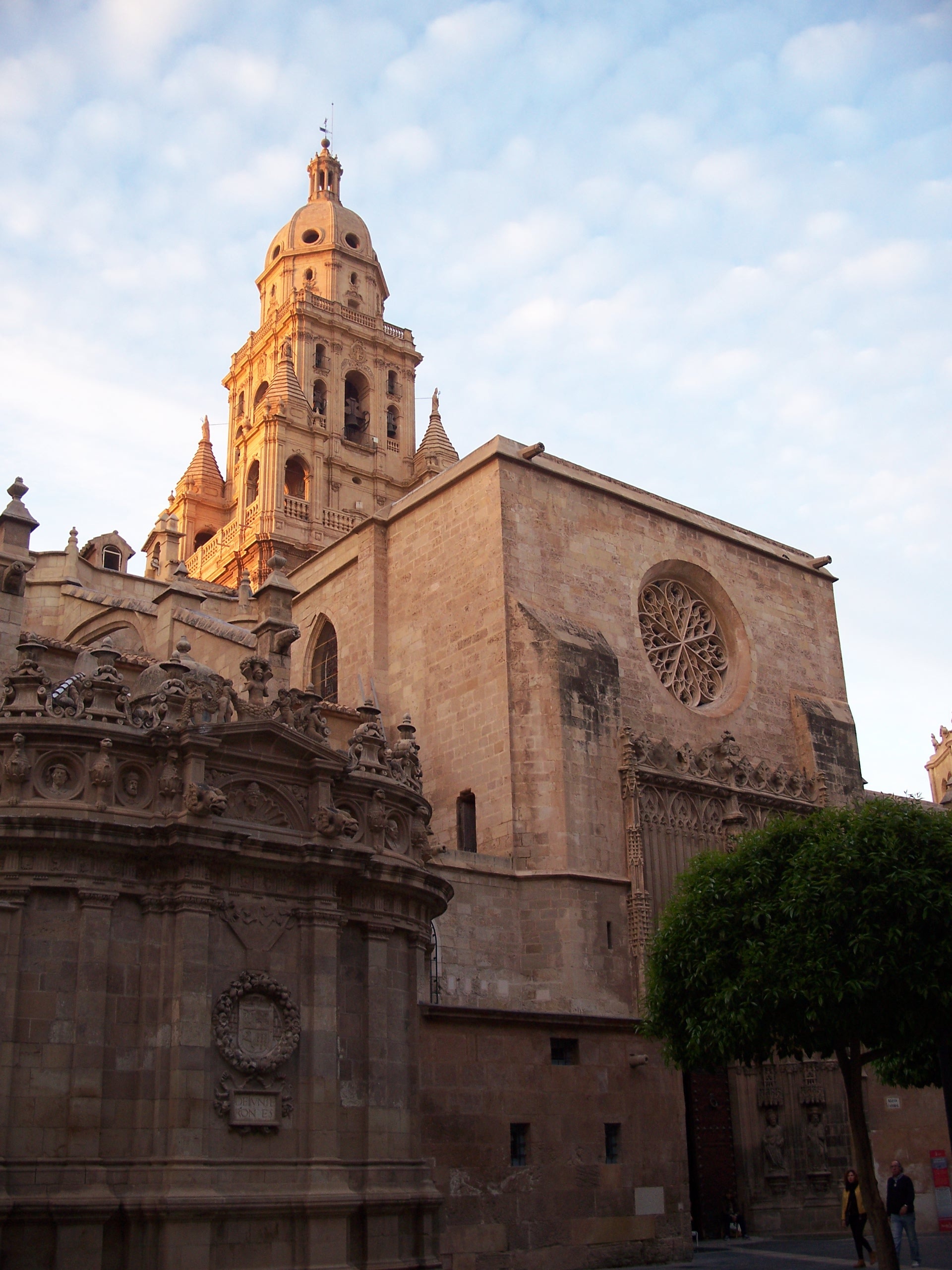
If you are particularly interested in religious architecture, a Murcia Cathedral and bell tower tour is one of the stronger city-only options. The Cathedral is already central to most Murcia itineraries, but a guided visit can give more weight to its architecture, history and position within the city’s old centre.
For something more culturally specific, a small-group visit to the Salzillo Museum could be worth considering, especially if your trip overlaps with an interest in religious art, sculpture or Murcia’s Semana Santa traditions. It also pairs naturally with the Murcia festivals guide, as it gives more context to the city’s processional and devotional culture.
There are also more atmospheric city experiences, including evening walks, Three Cultures-style tours and flamenco shows. These can be useful if you want a lighter experience at the end of a travel day, or if you have already used your main sightseeing time for Cartagena, Lorca or the coast. A hidden Murcia evening walking tour or Murcia flamenco show may suit travellers who prefer a slower evening rather than another full-day route.
City tours are also helpful if you are using Murcia as a base but do not want every day to become logistically heavy. You could spend one day in Cartagena, another exploring Murcia itself more deeply, and then decide whether to add a wine country, Ricote Valley or coastal trip depending on time, energy and transport.
For a wider city-break structure, see the main 3 days in Murcia itinerary, which brings together the city’s historic centre, food stops, cultural sights and practical planning notes.
Best for: first-time orientation, shorter stays, no-car trips, hot-weather planning, cultural context and relaxed evenings in Murcia city.
Best without a car? Yes. These are the easiest options if you want a guided experience without worrying about regional transport.
Budget level: Mixed. Walking tours and museum visits are usually lower to mid-range, while private guided walks or specialist cultural experiences may cost more.
Map of Day Trips from Murcia
A map is especially useful for planning day trips from Murcia because the best options spread in several different directions. Cartagena and the coast sit to the south and south-east, Lorca lies inland to the south-west, Ricote Valley and Calasparra take you north-west, while wine country and rural experiences may depend on the exact bodega, route or tour you choose.
This map is intended as a geographical planning guide rather than a precise meeting-point map. For tours, tastings, boat trips and outdoor activities, exact meeting points may vary by operator, season or booking. Always check the booking details before planning transport from Murcia.
Once you can see the locations together, it becomes easier to decide whether you want one simple city-to-city day trip, a slower scenic route, a coastal escape, or a more structured guided experience. It also helps avoid overplanning, particularly if you are only in Murcia for a short break.
I have marked the main day trip ideas on the map below, including Cartagena, Lorca, Ricote Valley, Calasparra, Murcia wine country, the Mar Menor, Puerto de Mazarrón, Águilas, Calblanque and selected Murcia city tour starting points.
Practical Travel Tips for Day Trips from Murcia
Day trips from Murcia are easiest when you plan around distance, transport and the shape of the day rather than trying to fit in too much. The region has a good mix of cities, coast, valleys and countryside, but not every route works equally well without a car. Before choosing your day trip, think about whether you want a simple city-to-city journey, a scenic drive, a guided experience, or a low-effort day that keeps you close to Murcia itself.
Do you need a car for day trips from Murcia?
You do not need a car for every day trip from Murcia, but hiring one does make the region much easier to explore. Cartagena is the most straightforward option without a car, while Lorca may also be possible depending on current train or bus times. For public transport planning, check current rail services and regional bus routes before setting off, especially if you are travelling on a Sunday, public holiday or outside the main visitor season.
A car is much more useful for Ricote Valley, Calasparra, Puerto de Mazarrón, Águilas and Calblanque, and some rural wine or outdoor experiences. These are the places where the day is often about moving between viewpoints, villages, beaches or countryside stops rather than arriving at one central station and walking from there.
If you are planning to explore several rural or coastal stops, it may be worth comparing car hire options for Murcia before you finalise your itinerary. For a single day trip to Cartagena, public transport may be enough, but a car gives you far more flexibility for valleys, beaches, wine country and countryside routes.
Independent day trip or guided tour?
An independent day trip works well when the destination is compact, transport is simple and the main sights are easy to organise yourself. Cartagena is the best example: you can build a strong day around the Roman Theatre Museum, the old town, the harbour, the panoramic lift and a relaxed lunch without needing a private guide.
A guided tour becomes more useful when transport is awkward, the history benefits from context, or the experience involves wine, food, outdoor activity or several scattered stops. That is especially true for Murcia wine country, Ricote Valley, outdoor day trips and some coastal experiences. Before booking, check the meeting point carefully, as some tours listed for the wider region may start in Cartagena, San Javier, Blanca, Lorca or another town rather than Murcia city.
How many day trips should you plan?
For a short Murcia city break, one day trip is usually enough. If you are following a 3 days in Murcia itinerary, I would keep at least one full day for Murcia city itself, especially if you want time for the Cathedral, Real Casino, Mercado de Verónicas, Plaza de las Flores and unhurried meals. Cartagena is the most natural extra day if you want to see more of the region without making the trip feel too busy.
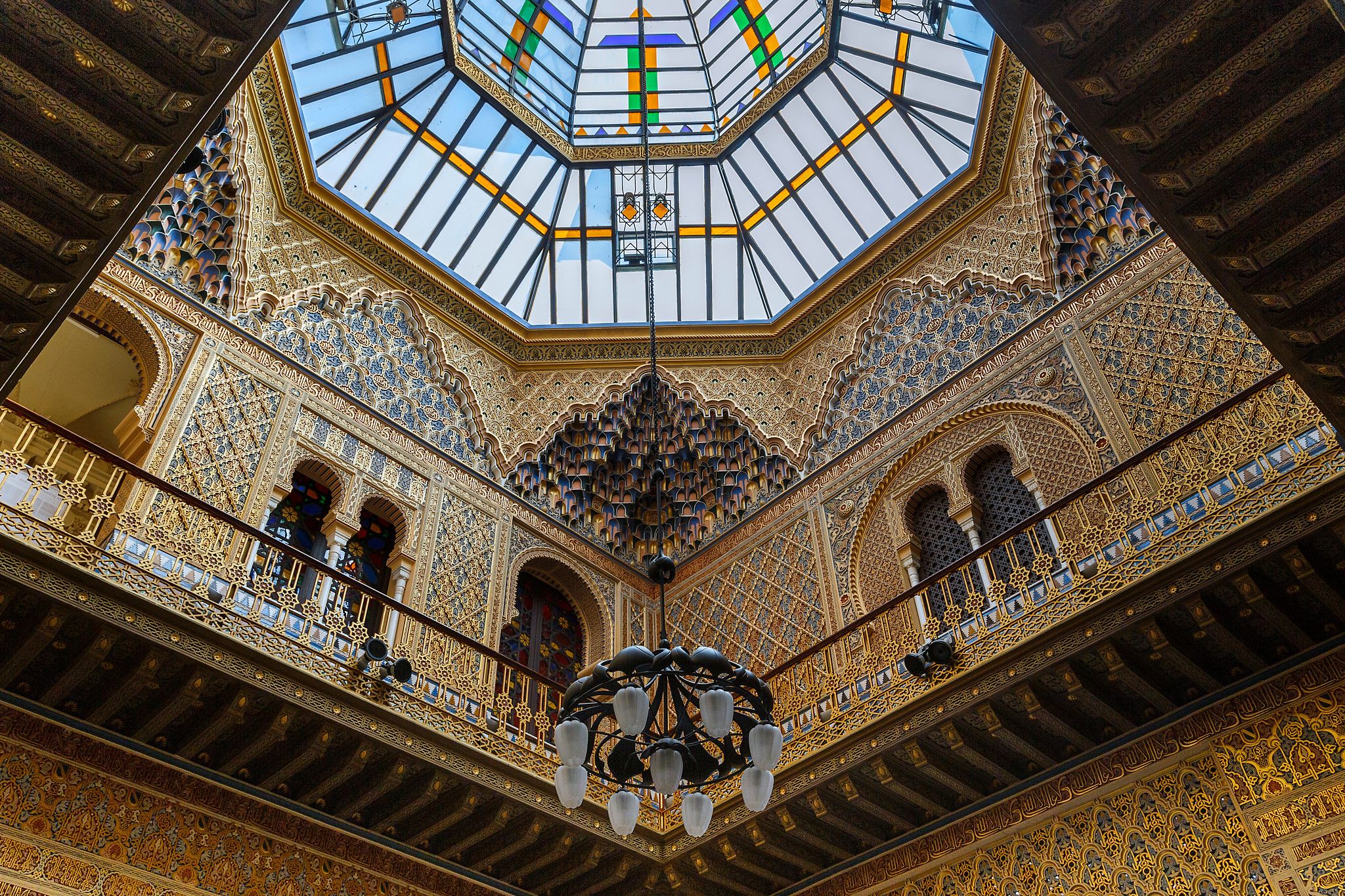
Photograph: goga18128 (Shutterstock)
If you have four or five days, you could add a second day trip with a different mood. For example, pair Cartagena with Lorca for more history, Ricote Valley for scenery, wine country for tastings, or the coast for sea air and a slower pace.
When is the best time to take day trips from Murcia?
Spring and autumn are often the most comfortable seasons for active day trips, historic towns and inland routes. Summer can still work, but you will need to plan more carefully around heat, shade and early starts, especially for hikes, rafting, cycling or valley routes. Coastal trips may be more appealing in summer, but parking, boat schedules and beach access can become more important.
If your visit overlaps with Semana Santa, Bando de la Huerta or another major event, check the Murcia festivals guide before booking in day trips. Festivals can be a reason to stay in the city rather than leave it, and they may also affect accommodation demand, transport, restaurant availability and the general rhythm of your trip.
What to book ahead
For lower-cost independent days, you may only need to book one or two key entries in advance, such as the Cartagena Roman Theatre Museum, a panoramic lift or a timed museum visit. For guided experiences, book ahead for wine tastings, food tours, private regional routes, boat trips, outdoor activities and anything with limited group sizes.
Wine tastings, Cartagena history tours, Mar Menor boat trips, guided hikes and private regional tours are the experiences I would be most likely to book ahead, especially if your dates are fixed.
It is also worth checking cancellation terms, start times, language options, accessibility notes and whether transport is included. A tour that looks perfect editorially may be less useful if it starts somewhere difficult to reach from Murcia, while a slightly simpler option with clear transport can make for a much better day.
What to pack for a Murcia day trip
Packing depends on the kind of day trip you choose, which is why a single Murcia packing list can be less useful than practical notes within each route. For Cartagena and Lorca, comfortable shoes, sun protection and a light layer for churches, museums or evening travel should be enough for most visitors. For Ricote Valley, Calasparra and rural routes, bring water, shade protection and shoes suitable for uneven streets, viewpoints or countryside stops.
For coastal trips, add swimwear, a towel, sunglasses, sunscreen and something light to cover your shoulders if you are moving between beach, boat and town. For active day trips, check whether equipment is provided and bring anything the operator recommends. In warmer months, do less than you think you can. Murcia rewards slower travel far more than overheated box-ticking.
If you are refining your packing for city breaks, coastal days and warm-weather travel, I also keep a curated ShopMy travel edit with practical pieces that fit this kind of trip.
Where to stay if you want to take day trips
If day trips are a major part of your visit, base yourself somewhere practical rather than choosing accommodation purely by charm. Staying near Murcia’s historic centre is lovely for restaurants, evening walks and cultural sights, but you may also want to consider access to train, bus or car parking depending on your plans. The guide to where to stay in Murcia covers the main areas and how they suit different styles of trip.
For most visitors, the best approach is to stay in Murcia city and choose one or two carefully planned excursions rather than trying to turn the trip into a regional road race. Cartagena, Lorca, Ricote Valley, wine country, Calasparra and the coast all add something different, but the strongest Murcia trips leave enough room for the city itself.
FAQs About Day Trips from Murcia
What is the best day trip from Murcia?
For most first-time visitors, Cartagena is the best day trip from Murcia. It has Roman history, museums, port views, a walkable historic centre, food stops and several low-cost or guided options, making it the most flexible choice if you only have time for one excursion.
Can you visit Cartagena from Murcia without a car?
Yes, Cartagena is one of the easiest day trips from Murcia to do without a car. It is still important to check current train or bus times before travelling, especially on Sundays, public holidays or outside the main visitor season. Once in Cartagena, many of the main sights are manageable on foot or with a short sightseeing route.
Is Lorca worth visiting from Murcia?
Lorca is worth visiting if you enjoy castles, monumental architecture, churches, exhibitions and inland history. It is less obvious than Cartagena, but that can make it a more interesting choice for travellers who want a quieter cultural day trip rather than a coastal or food-led excursion.
Do you need a car for day trips from Murcia?
You do not need a car for every day trip, but it does make the region much easier to explore. Cartagena is the most practical no-car option, while Lorca may also work depending on current transport times. A car is much more useful for Ricote Valley, Calasparra, coastal escapes, rural wine routes and outdoor experiences.
What is the best coastal day trip from Murcia?
The best coastal day trip depends on what kind of day you want. The Mar Menor suits boat trips and gentler seaside time, while Puerto de Mazarrón and Águilas feel more like open Mediterranean coastal towns. Calblanque is better for beaches, cliffs, walking and a wilder landscape.
Are there wine tours near Murcia?
Yes, there are wine and bodega experiences in the wider Region of Murcia. For a day trip, I would look for a Murcia wine country experience that includes clear details on transport, tasting format, food or appetisers, meeting point and timings. For a broader selection, see the full guide to food and drink experiences in Murcia.
Can you do a day trip from Murcia on a budget?
Yes. The easiest budget-friendly option is usually Cartagena, where you can travel independently, choose one or two paid attractions, walk the historic centre and keep the rest of the day flexible. Low-cost museum tickets, viewpoints, markets, old town walks and simple transport-led days can all work well without needing a private tour.
How many day trips should you plan for a 3-day Murcia itinerary?
For a short trip, one day trip is usually enough. If you are following a 3 days in Murcia itinerary, keep at least one full day for Murcia city itself. Cartagena is the most natural extra day, while Lorca, Ricote Valley, wine country or the coast work better if you have more time.
What should you pack for a day trip from Murcia?
For most day trips, comfortable shoes, water, sun protection and a light layer are useful. Add swimwear, a towel and sunglasses for coastal trips, and check equipment requirements for rafting, hiking, cycling or horseback experiences. If you are refining your packing for city breaks, coastal days and warm-weather travel, I also keep a curated ShopMy travel edit with practical pieces that fit this kind of trip.
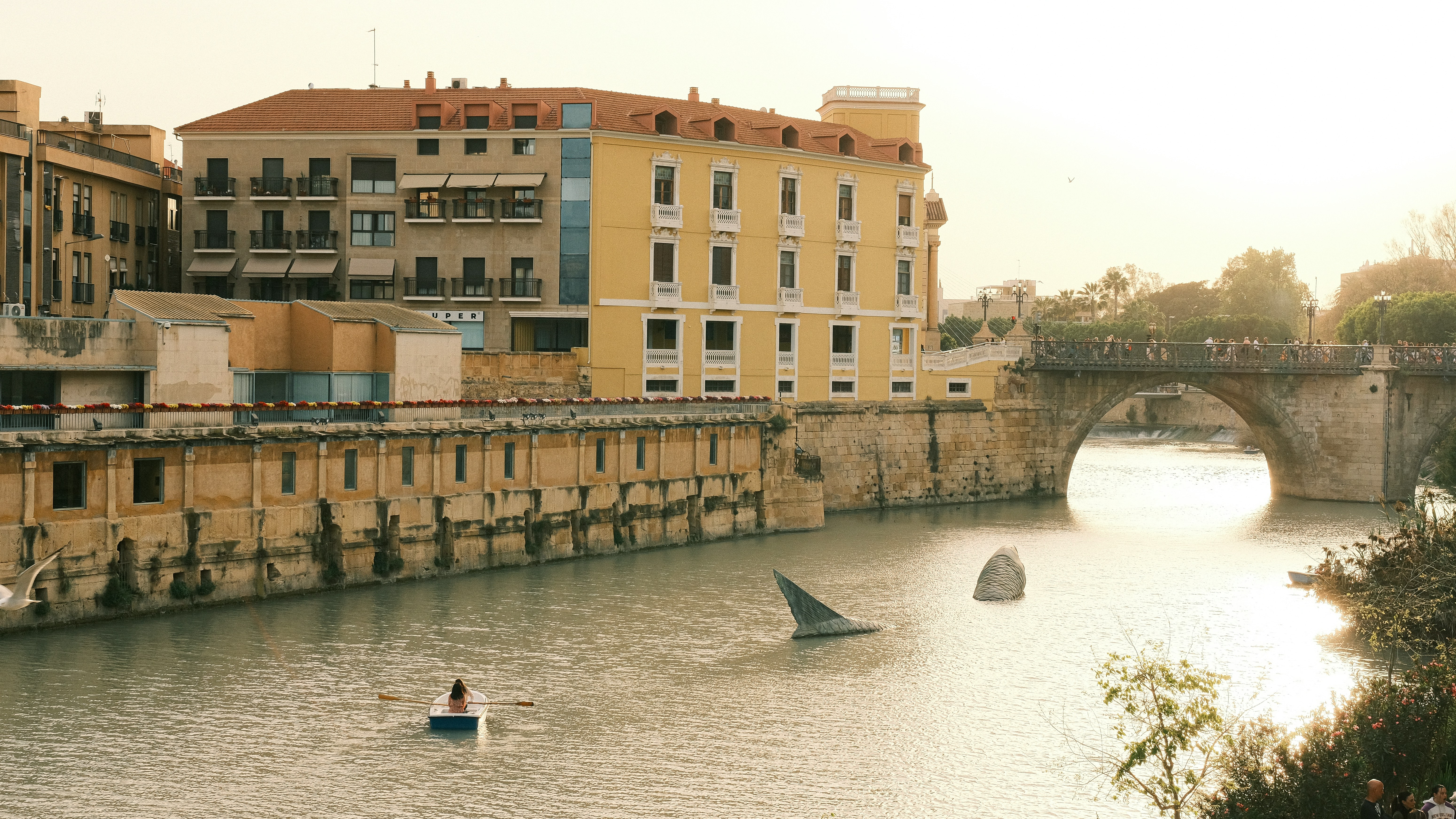
Photograph: Pablo Jiménez Pérez (Unsplash)
Final Thoughts on Planning Day Trips from Murcia
Murcia works well as a base because the surrounding region gives you choices without forcing every day to feel the same. You can spend one day among Roman ruins and harbour views in Cartagena, another exploring the inland history of Lorca, or head towards Ricote Valley, wine country, Calasparra or the coast for a slower change of pace.
The strongest approach is not to overplan. Choose one day trip that genuinely adds something to your Murcia stay, then leave enough time for the city itself: the Cathedral, Real Casino, Mercado de Verónicas, Plaza de las Flores, long lunches, evening walks and the kind of unhurried meals that make a short break feel properly rooted.
If you are still shaping the wider trip, start with the main 3 days in Murcia itinerary, then use the guides to where to stay in Murcia, what to eat in Murcia, food and drink experiences and Murcia festivals to decide how much regional exploring you really want to build in.
Plan the rest of your time in Murcia
If you are still shaping the wider trip, start with the main 3 days in Murcia itinerary, which brings together the city’s historic centre, food stops, cultural sights and practical planning notes. For accommodation decisions, the guide to where to stay in Murcia breaks down the best areas depending on whether you want old-town atmosphere, easy transport links or a quieter base.
Food-led travellers can continue with the guide to what to eat in Murcia, including local dishes, tapas culture and produce-led traditions, while the feature on food and drink experiences in Murcia looks more closely at bookable tastings, tours and regional food routes. If you are planning around Semana Santa, Bando de la Huerta or seasonal celebrations, the Murcia festivals guide can help you decide when to stay in the city and when to explore further afield.
Stay in Touch
Culinary Travels publishes destination guides, seasonal recipes, and food-led travel features from the UK and beyond.
Follow for new articles and updated travel resources:
Facebook | Instagram | Pinterest
Newsletter
Receive new guides, recipes, and occasional travel planning notes by email: Subscribe here
Reader feedback and local recommendations are always welcome via the contact page.
©2026 Culinary Travels. Culinary Travels is written and edited by Georgina Ingham | Website designed by The Smarter Web Company
What Our Followers Say
"A highly complimentary article ... showcasing why the English Market remains one of Ireland's premier food destinations"
Cork City Council via Facebook
"Our list of things to do in Cork has just expanded hugely thanks to Culinary Travels."
Triskel Art Centre Cork, via Twitter
“Tried this last night and it was delicious!”
Reader feedback via Pinterest, Yangzhou Fried Rice Recipe
"Oh yum!!! I could eat one or two right now!"
Sami Tamimi, via Instagram, on Ma’amoul Cookies
"Georgina was great to work with, quick to respond, and is a excellent content writer - would highly recommend"
Nick S - Get Blogged
“A simple no-knead dough transformed into beautiful, rustic rolls.”
Reader feedback via Pinterest, No-Knead Ciabatta Rolls Recipe