
Articles


Yangzhou Fried Rice (Yeung Chow) – Easy Chinese Takeaway-Style Recipe
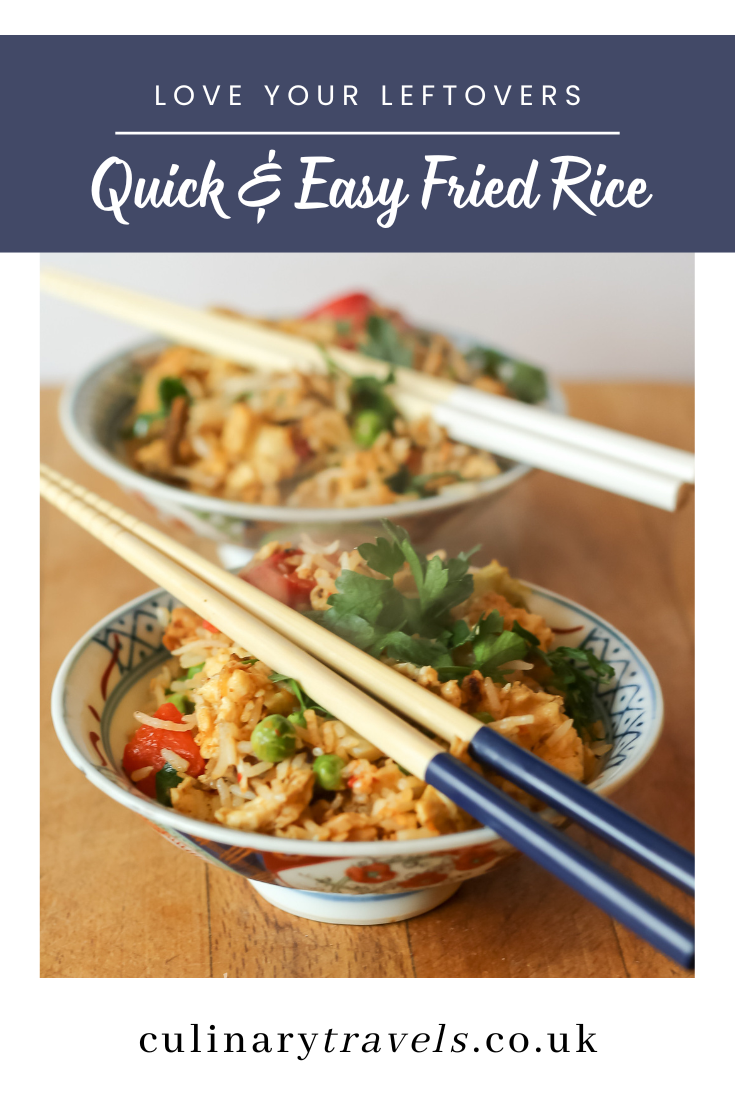
Yangzhou fried rice, also known as Yeung Chow fried rice, is one of those Chinese takeaway classics that tastes even better when you make it at home. With chilled rice, juicy prawns, savoury pork, fluffy egg and colourful vegetables, this quick, budget-friendly recipe gives you fragrant, separate grains and proper savoury flavour in under 30 minutes.
Some articles on Culinary Travels may contain affiliate links, meaning I may earn a small commission at no extra cost to you. I only recommend places, experiences and products that fit the editorial tone and standards of the site.
Update note: This recipe was originally published in May 2016 and has since been fully refreshed with clearer cooking guidance, better tips for achieving light, separate grains, updated serving ideas, and additional notes on Yangzhou fried rice, also known as Yeung Chow fried rice.
A Fried Rice Revelation
If you’ve ever ordered fried rice for a weeknight dinner, you’ll know the particular disappointment of rice that should be fragrant and lively, but arrives soft, oily and muted. That is exactly why discovering Fuchsia Dunlop’s approach to Yangzhou fried rice in Every Grain of Rice felt like such a revelation.
Dunlop’s book opened my eyes to the daily rhythm of home cooking in China: vegetables treated with care, small amounts of meat used intelligently, and simple ingredients turned into something deeply satisfying. It gave me the foundation for this dish, but over the years I’ve made it very much my own.
These days, I usually add extra egg, lean on whatever cooked meat, prawns or vegetables are in the fridge, and keep the focus on what matters most: cold rice, high heat, savoury little pieces of protein, and grains that stay separate rather than turning soft or greasy.
After years of trying fried rice recipes that never quite delivered, this is the one I return to again and again. I make it at least once a fortnight. It really is that good.
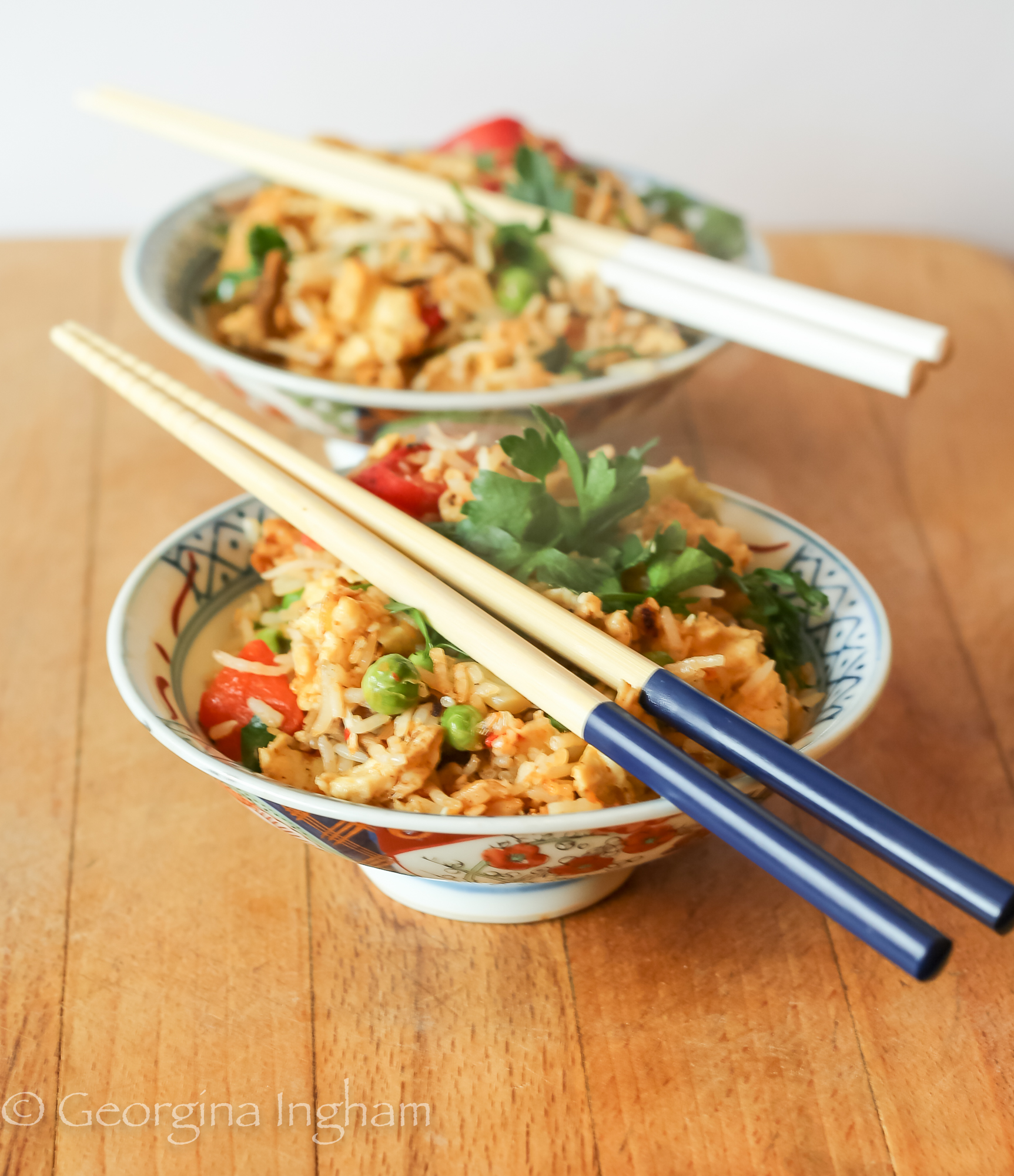
Photograph: Georgina Ingham (Culinary Travels)
The Heart of Yangzhou Cuisine
Yangzhou, in eastern Jiangsu Province, is one of the great historic centres of Chinese gastronomy and the heartland of Huaiyang cuisine. Its reputation is not just historical either: UNESCO recognises Yangzhou as a Creative City of Gastronomy, noting its role as the cradle of Huaiyang cuisine and its thriving contemporary food culture. While many of its dishes are still less familiar in the West, Yangzhou fried rice, or Yeung Chow fried rice as it often appears on Chinese takeaway menus, has travelled widely.
Traditional versions bring together rice, egg, diced meats, seafood and vegetables, sometimes with more luxurious additions such as crab, fresh bamboo shoots or sea cucumber. A little chicken stock may be added too, giving depth and gloss without turning the dish heavy.
This homemade version keeps the spirit of Yangzhou fried rice while making it practical for everyday home cooking. It comes together quickly, uses easy-to-find ingredients, and relies on just a few fundamental cooking skills: properly chilled rice, a hot wok or pan, and a light hand with seasoning.
The Secret to Perfect Fried Rice
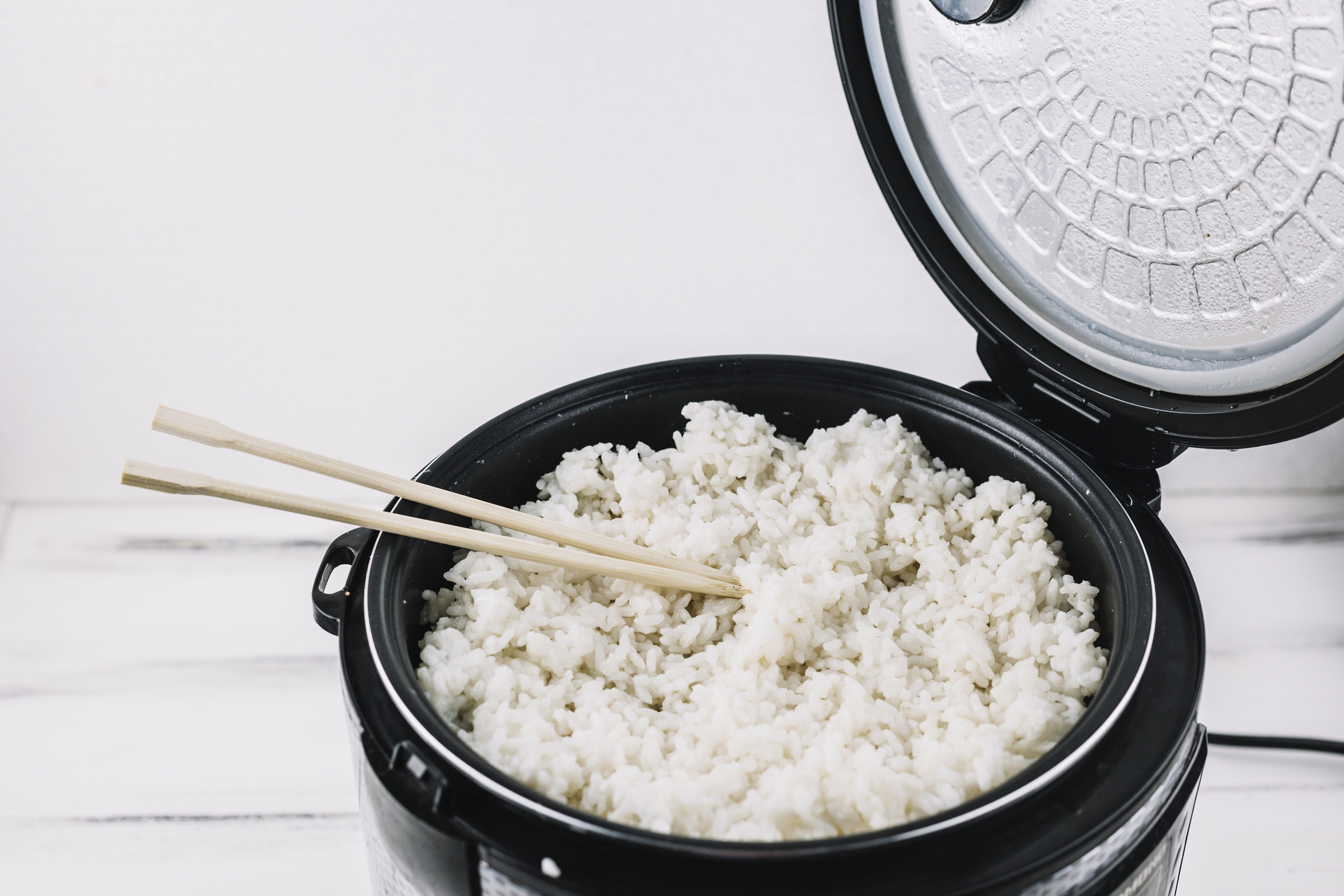
Texture is everything in good fried rice. You want grains that are firm, lightly chewy and separate, not soft, sticky or clumped together. The easiest way to achieve that is to use day-old rice, or rice that has been cooked, fluffed and chilled for several hours.
As the rice chills, the grains lose some surface moisture, which helps them fry rather than steam when they hit the hot wok. That is what gives Yangzhou fried rice its lovely, distinct grains and stops the finished dish from turning soggy.
It also makes the recipe brilliantly practical. Cook once, eat twice. If you’re already making rice for a curry night, stir-fry, or simple weeknight dinner, make extra and chill the leftovers properly. The next day, you can turn them into a quick fried rice in less time than it takes for a takeaway to arrive.
Photograph: Freekpik
Flexibility and Flavour
One of the best things about Yangzhou fried rice is its flexibility. You don’t need every traditional ingredient to make it work beautifully at home. A handful of leftovers can become something far more exciting than the sum of its parts.
Cooked prawns, diced ham, bacon lardons, roast pork or roast chicken all work well, as do peppers, peas, sweetcorn, mushrooms or spring onions. I usually add more eggs than the original recipe suggests, using at least one per person for extra richness and softness.
The magic lies in balancing colour, texture and flavour: firm grains of rice, savoury little pieces of protein, soft egg, and enough vegetables to keep everything bright. It works beautifully as a main meal, as part of a larger Chinese-inspired feast, or as a side dish with chilli oil or Sriracha on the table.
Small Tweaks, Big Rewards
Once you have the basic method right, Yangzhou fried rice is easy to adapt. A dash of sesame oil at the end can add fragrance, while a small spoonful of oyster sauce gives extra savoury depth. Use both lightly, as the rice should taste balanced rather than heavily sauced.
For the eggs, you can scramble them first and fold them back in for soft golden pieces, or cook them directly through the rice for a more even richness. I prefer scrambling them separately, as it gives better texture and keeps the dish feeling lighter.
Heat is optional, but very welcome. Serve Sriracha, fresh chilli, or a spoonful of crispy chilli oil on the side so everyone can adjust their own bowl.
Why Homemade Wins Every Time
The takeaway version has its place, of course, but once you make Yangzhou fried rice at home, it’s hard to go back. A homemade wokful is lighter, fresher and far less greasy, with distinct grains of rice rather than a soft, oily mound.
You control the salt, the oil, the balance of protein to vegetables, and the richness of the egg. You can keep it simple, pack it with colour, or add an extra fried egg on top when the mood calls for something more indulgent.
Best of all, it’s one of those rare meals that feels generous while costing very little. A bowl of cold rice, a couple of eggs and whatever cooked meat, prawns or vegetables are already in the fridge can become something deeply satisfying in minutes.
A Delicious Way to Reduce Waste
At its heart, Yangzhou fried rice is a clever 'leftovers' dish. It takes small amounts of cooked meat, seafood, vegetables, and rice and turns them into something that feels deliberate rather than cobbled together.
That is what makes it such a useful recipe to have in your back pocket. It is quick enough for a weeknight, generous enough for family cooking, and flexible enough to absorb whatever needs using up in the fridge.
Yangzhou Fried Rice (Yeung Chow Fried Rice)
Prep: 15 minutes
Cook: 10 minutes
Serves: 4
A light, savoury Yangzhou fried rice recipe with prawns, pork or chicken, soft egg and colourful vegetables. Made with chilled rice for perfectly separate grains, this homemade Yeung Chow fried rice is fresher, cheaper and far less greasy than takeaway.
Recipe note: This dish cooks quickly, so have the rice chilled, the eggs beaten, and the meat, prawns, and vegetables chopped before you start. Once the wok is hot, everything moves fast.
Ingredients
500 g cooked jasmine rice, chilled overnight
150 g cooked prawns
100 g roast pork or chicken, diced
50 g cooked ham or bacon lardons
1 small red pepper, diced
2–3 spring onions, finely sliced
3–4 large eggs, lightly beaten
2 tbsp vegetable oil
1 tbsp light soy sauce
1 tbsp Shaoxing wine, optional
50 ml chicken stock
Salt and white pepper, to taste
Instructions
1. Heat a wok or large frying pan until very hot, then add 1 tablespoon of the vegetable oil. Pour in the beaten eggs and stir gently until just set. Remove from the wok and set aside.
2. Add the remaining oil to the wok, followed by the diced pork or chicken, ham or bacon, and prawns. Stir-fry for 1–2 minutes until fragrant and heated through.
3. Add the red pepper and stir-fry briefly, keeping it bright and slightly crisp.
4. Add the chilled rice, breaking up any clumps with a spatula. Stir-fry over a high heat until the grains are separate and everything is piping hot.
5. Stir in the light soy sauce, Shaoxing wine, if using, and chicken stock. Toss well so the rice is evenly seasoned.
6. Return the scrambled egg to the wok and add most of the spring onions. Season with salt and white pepper, then toss everything together.
7. Serve hot, finished with the remaining spring onions and chilli oil or Sriracha on the side, if liked.
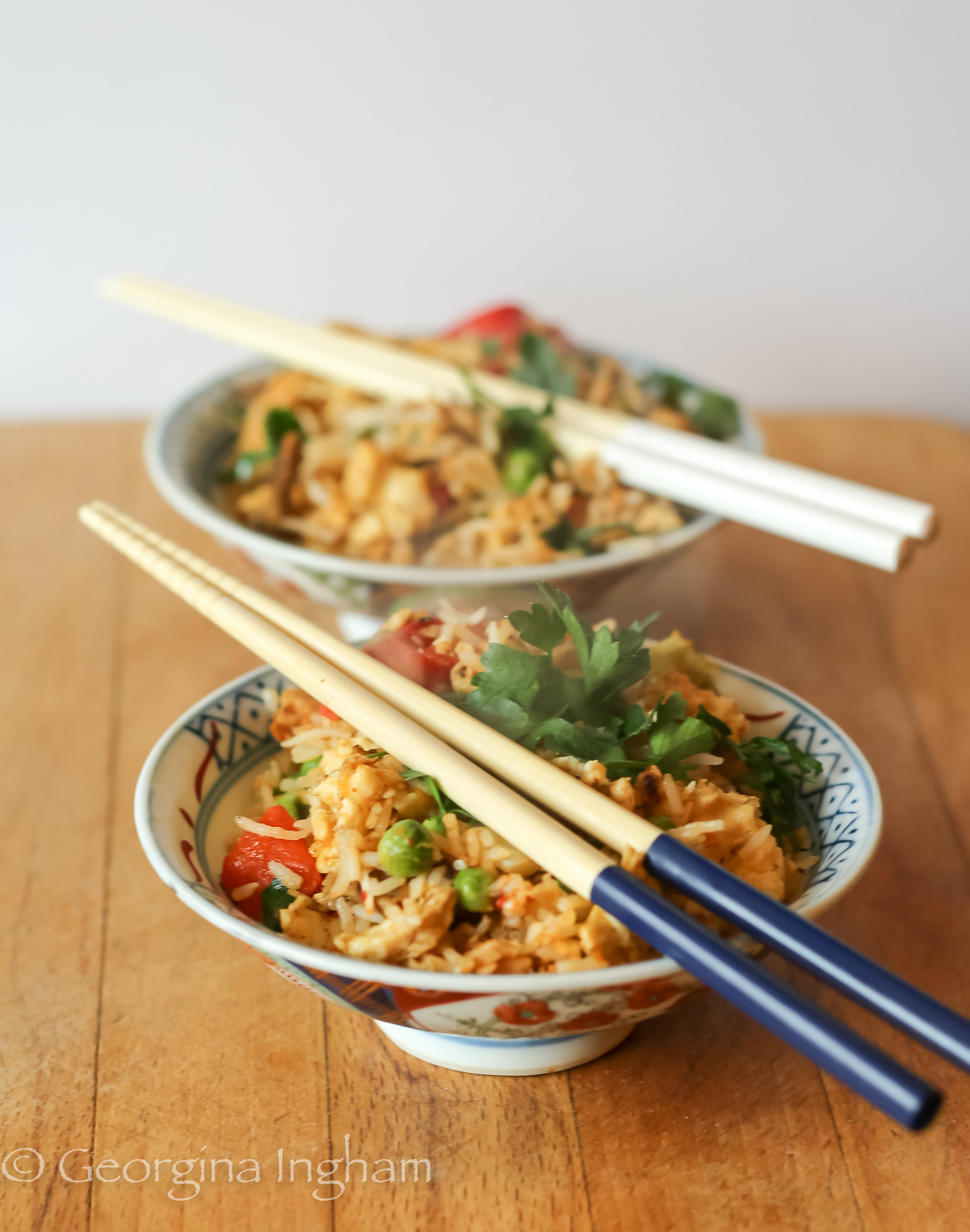
Photograph: Georgina Ingham (Culinary Travels)
Serving Suggestions and Pairings
Yangzhou fried rice is wonderfully versatile. It can hold centre stage as a main meal, especially with a fried egg on top, or sit alongside other dishes as part of a Chinese-inspired feast.
For a larger meal, serve it with simple stir-fried greens, a light soup, dim sum, pickled vegetables or a crisp cucumber salad. On a weeknight, I usually keep it simple with spring onions scattered over the top and Sriracha, fresh chilli or crispy chilli oil on the side so everyone can adjust the heat to taste.
If you want a little extra texture, finish with toasted sesame seeds or finely sliced spring onions just before serving.
Frequently Asked Questions About Yangzhou Fried Rice
Why is homemade Yangzhou fried rice better than takeaway?
Homemade Yangzhou fried rice is fresher, lighter and much less oily than many takeaway versions. You control the salt, oil, egg, protein and vegetables, so the finished dish has distinct grains, better texture and a cleaner savoury flavour.
Can I use freshly cooked rice for fried rice?
Freshly cooked rice is usually too soft and steamy for good fried rice. For the best texture, cook the rice ahead, fluff it, cool it quickly, and chill it for several hours or overnight. This helps the grains dry slightly so they fry rather than clump together.
Why is my fried rice mushy?
Fried rice usually turns mushy when the rice is too fresh, too wet, or cooked over too low a heat. Use chilled cooked rice, break up any clumps before adding it to the wok, and cook over a high heat so the grains fry quickly rather than steam.
Can I make Yangzhou fried rice vegetarian or vegan?
Yes. For a vegetarian version, swap the meat and prawns for tofu, mushrooms or extra vegetables, and use vegetable stock instead of chicken stock. For a vegan version, leave out the eggs, or replace them with scrambled tofu for extra texture.
What meat works best in Yangzhou fried rice?
Char siu-style roast pork and prawns are traditional choices, but this is a flexible home-cooking dish. Leftover roast chicken, diced ham, bacon lardons, roast pork or cooked prawns all work well, especially when balanced with egg, spring onions and colourful vegetables.
Is Yangzhou fried rice budget-friendly?
Yes. At its heart, Yangzhou fried rice is a clever leftovers recipe. Rice and eggs form the base, while small amounts of cooked meat, seafood or vegetables stretch into a generous, satisfying meal.
Can I freeze leftover fried rice?
Yes, but cool it quickly first. Spread the rice out or divide it into shallow containers so it cools fast, then freeze once completely cold. Reheat until piping hot all the way through and eat immediately. Avoid reheating rice more than once.
How can I adjust the spiciness?
Yangzhou fried rice is usually savoury rather than spicy, which makes it easy to adapt at the table. Serve Sriracha, fresh chilli or crispy chilli oil on the side so everyone can add as much heat as they like.
Can I prep Yangzhou fried rice ahead of time?
Yes. Cook and chill the rice ahead, beat the eggs, and chop the meat, prawns and vegetables before you start. Once the wok is hot, the cooking is very quick, so having everything ready makes the recipe much easier.
How long does leftover fried rice keep?
Fried rice is best eaten fresh. If you do have leftovers, cool them quickly, refrigerate promptly, and eat within 24 hours. Reheat thoroughly until steaming hot throughout before serving. The Food Standards Agency advises that cooked rice should be cooled quickly, refrigerated, and used within 24 hours.
Final Thoughts
Yangzhou fried rice is exactly the kind of recipe that earns its place in a regular kitchen routine. It is quick, flexible, budget-friendly and deeply satisfying, with enough colour and savoury flavour to feel far more special than a simple leftovers dish.
Once you understand the essentials — chilled rice, high heat, balanced seasoning, and a light hand — it becomes less a strict recipe and more a dependable way to turn a few everyday ingredients into something properly delicious.
Stay in Touch
Culinary Travels publishes destination guides, seasonal recipes, and food-led travel features from the UK and beyond.
Follow for new articles and updated travel resources:
Facebook | Instagram | Pinterest
Newsletter
Receive new guides, recipes, and occasional travel planning notes by email: Subscribe here
Reader feedback and local recommendations are always welcome via the contact page.
©2026 Culinary Travels. Culinary Travels is written and edited by Georgina Ingham | Website designed by The Smarter Web Company
What Our Followers Say
"A highly complimentary article ... showcasing why the English Market remains one of Ireland's premier food destinations"
Cork City Council via Facebook
"Our list of things to do in Cork has just expanded hugely thanks to Culinary Travels."
Triskel Art Centre Cork, via Twitter
“Tried this last night and it was delicious!”
Reader feedback via Pinterest, Yangzhou Fried Rice Recipe
"Oh yum!!! I could eat one or two right now!"
Sami Tamimi, via Instagram, on Ma’amoul Cookies
"Georgina was great to work with, quick to respond, and is a excellent content writer - would highly recommend"
Nick S - Get Blogged
“A simple no-knead dough transformed into beautiful, rustic rolls.”
Reader feedback via Pinterest, No-Knead Ciabatta Rolls Recipe