
Articles


Murcia Festivals and Cultural Events: A Year-Round Guide to the Region’s Best Celebrations
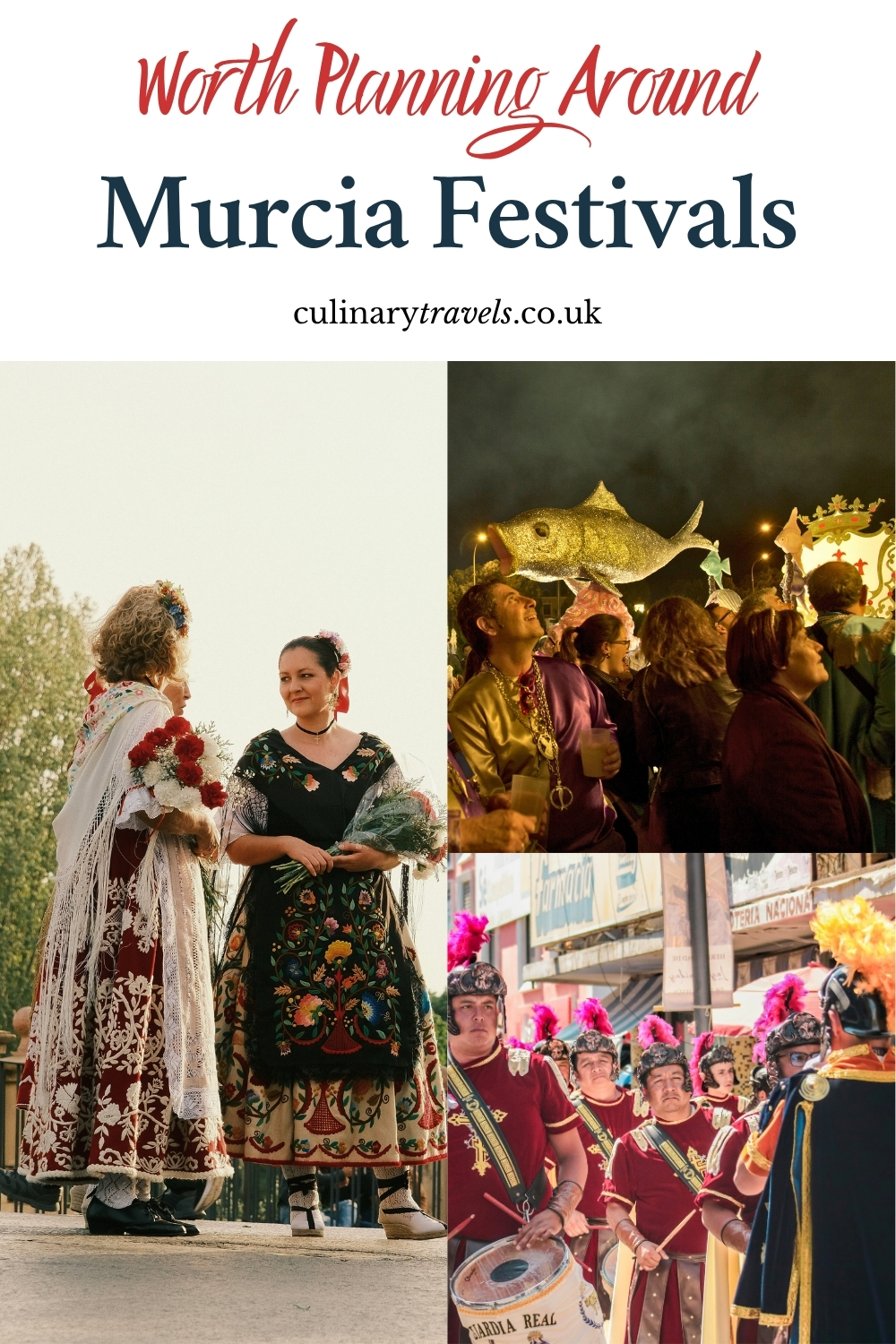
Murcia is not a region that reveals itself through one season, one square, or one neatly packaged city break. Its character appears across the calendar: in solemn Holy Week processions, orchard-rooted spring celebrations, flamenco competitions, Roman re-enactments, summer music festivals, pilgrimage traditions, food stalls, fireworks and late-night streets full of people.
For travellers, that makes timing a trip to Murcia especially rewarding. Visit around Easter and the city shifts into ritual, devotion and springtime theatre. Come in May and Caravaca de la Cruz becomes one of the region’s most dramatic pilgrimage settings. Summer brings music to Cartagena, La Unión and the Mar Menor, while September adds fairgrounds, history and open-air celebration back into the city.
Some articles on Culinary Travels may contain affiliate links, meaning I may earn a small commission at no extra cost to you. I only recommend places, experiences and products that fit the editorial tone and standards of the site.
This is not intended as a complete list of every local fiesta in the Region of Murcia. Instead, it is a practical, season-led guide to the festivals and cultural events most worth knowing about if you are planning a trip around atmosphere, food, tradition, music or a deeper sense of place.
In this guide
1) Quick answer: when are the best festivals in Murcia?
2) Spring festivals in Murcia
3) Caravaca de la Cruz and early summer traditions
4) Summer music and cultural festivals
5) Autumn fairs, history and local celebrations
6) Winter and quieter local traditions
7) Best time to visit Murcia for festivals
8) Practical tips for planning a festival trip to Murcia
9) FAQs about Murcia festivals and cultural events
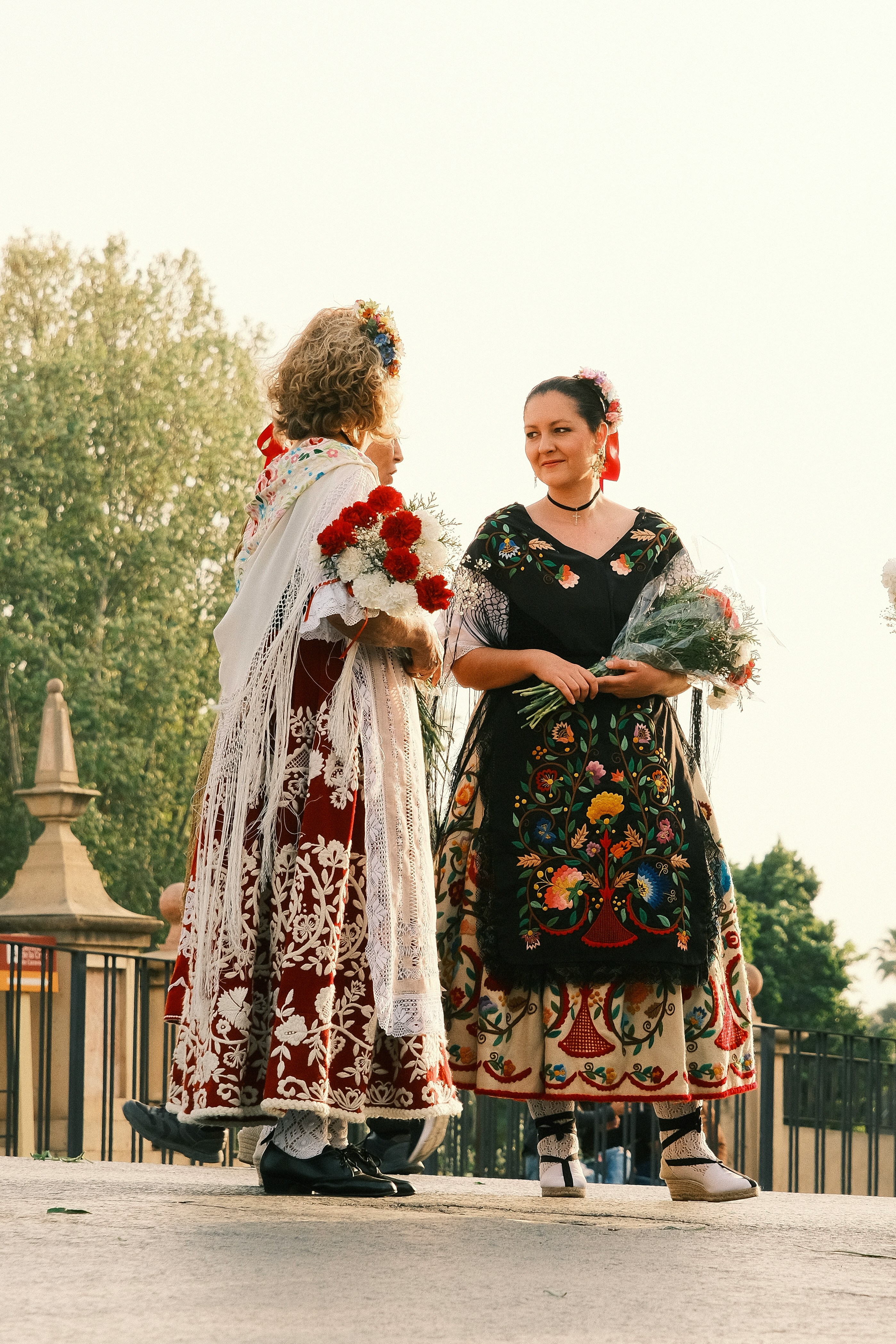
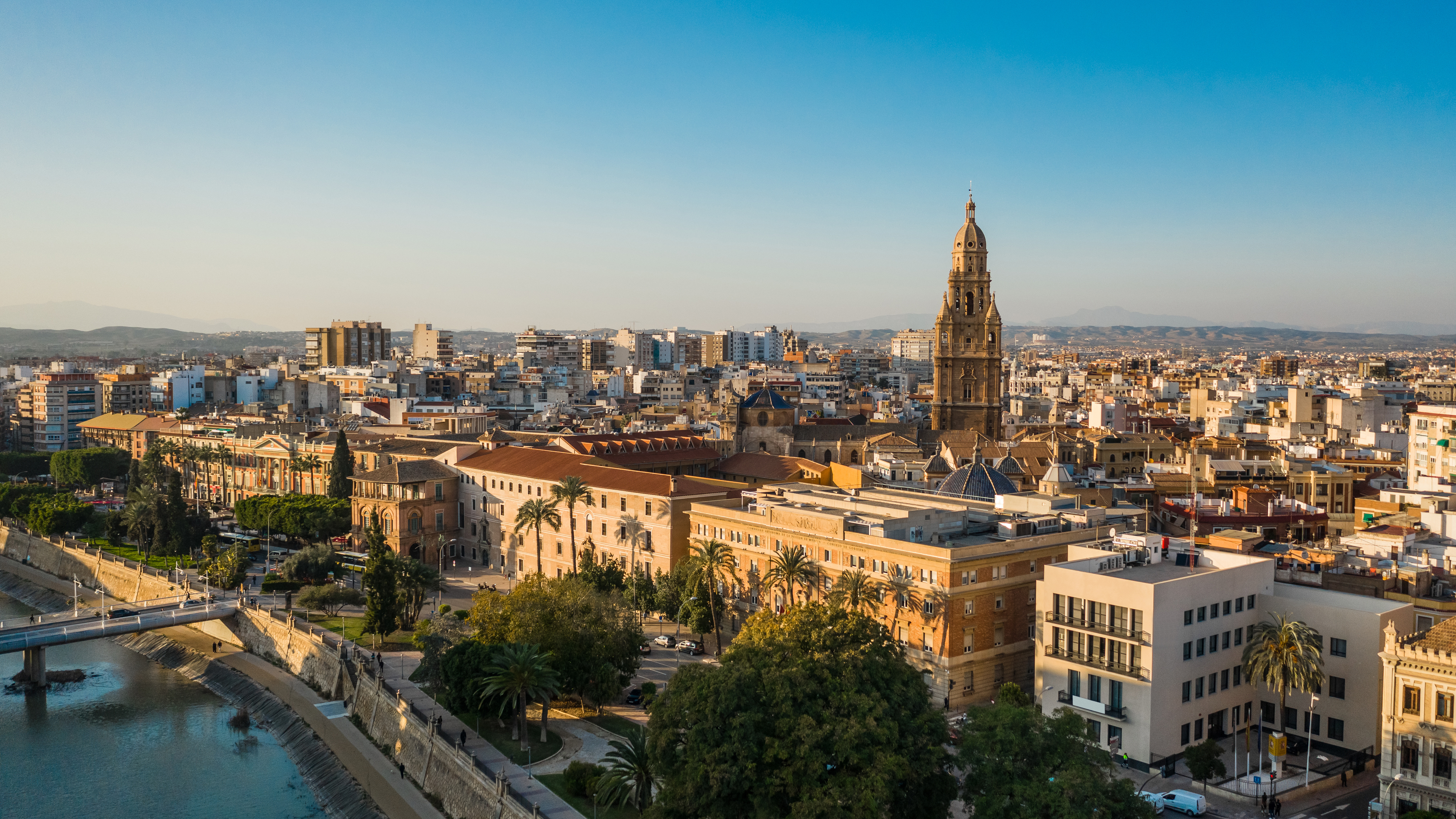
Photograph: Pablo Jiménez Pérez (Unsplash)
Quick answer: when are the best festivals in Murcia?
The most atmospheric time to visit Murcia for traditional festivals is spring, especially around Holy Week and the Fiestas de Primavera. Holy Week brings processions and religious ceremony to Murcia city, Cartagena, Lorca and other towns across the region, while Bando de la Huerta and Entierro de la Sardina give Murcia city a very different kind of energy, with orchard traditions, folk dress, food stalls, parades, fireworks and surreal street theatre.
May is especially strong in Caravaca de la Cruz, where the Fiestas de la Vera Cruz and Caballos del Vino bring together pilgrimage, horses, embroidered textiles, Moors and Christians celebrations and one of the region’s most distinctive local identities.
For music and summer culture, July and August are the months to watch. Cartagena hosts La Mar de Músicas, La Unión is known for the Festival Internacional del Cante de las Minas, and Los Alcázares has a more contemporary festival feel with Fan Futura Fest near the Mar Menor.
September is another excellent time to visit, particularly for Feria de Murcia and Cartagena’s Carthaginians and Romans Festival. It is a useful shoulder-season month for travellers who want atmosphere, warm weather and cultural events without focusing entirely on the Easter calendar.
Spring festivals in Murcia
Spring is the most dramatic time to experience Murcia’s festival calendar. The season moves quickly from the solemnity of Holy Week into the colour, noise and appetite of the Fiestas de Primavera, when the city seems to shake off Lent and return to the streets with food, music, flowers, folk dress and fireworks.
For travellers, this is the moment when Murcia feels most itself. It is not simply a question of watching a parade. The rhythm of the city changes. Streets become gathering places, restaurants and bars are busier, traditional dress appears in everyday spaces, and the relationship between the city and its surrounding huerta feels visible rather than abstract.
Holy Week in Murcia
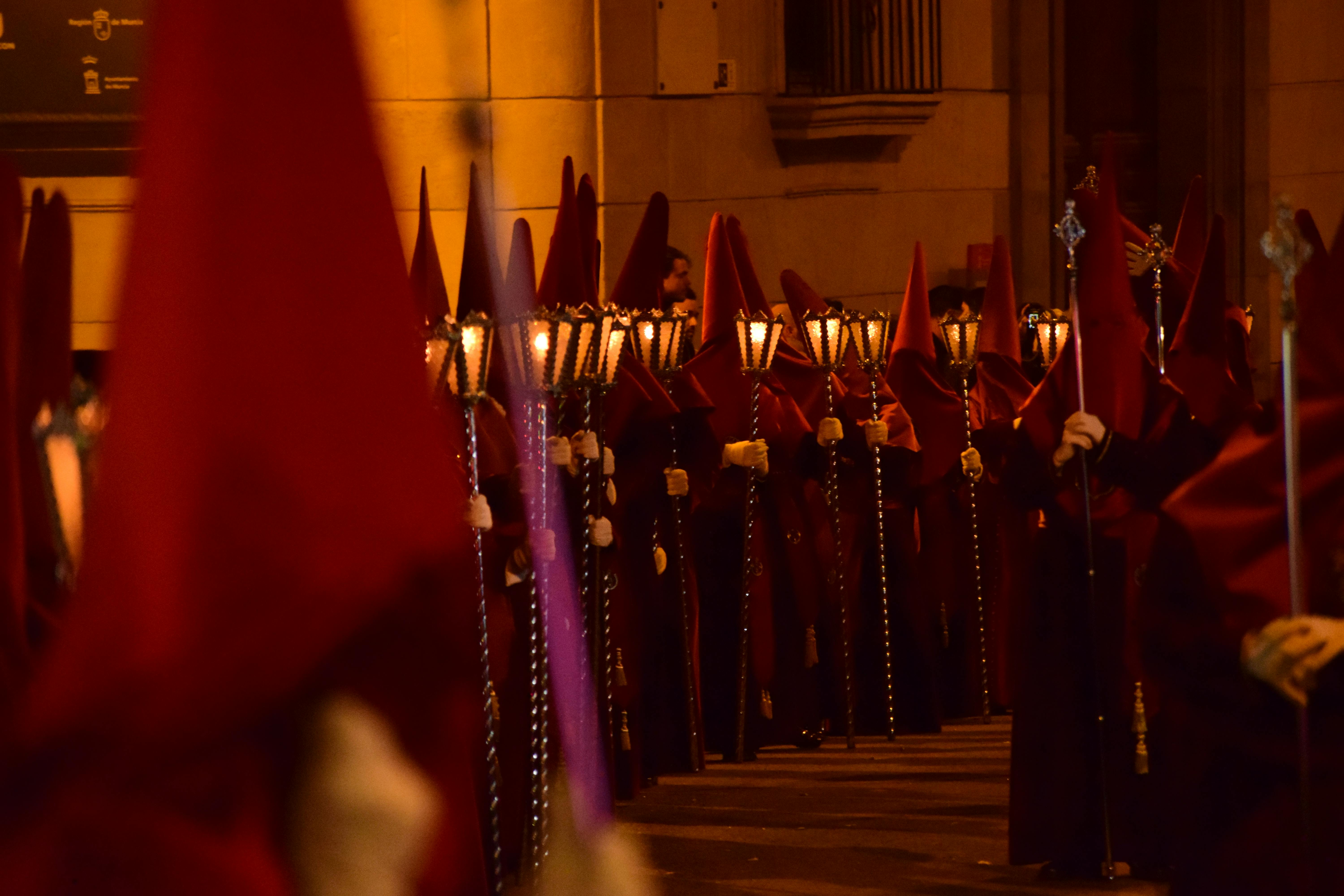
Holy Week, or Semana Santa, is one of the most important periods in Murcia’s cultural calendar. Across the region, processions bring together religious devotion, sculpture, music, candlelight and local identity, with Murcia city, Cartagena and Lorca each offering a different expression of the tradition.
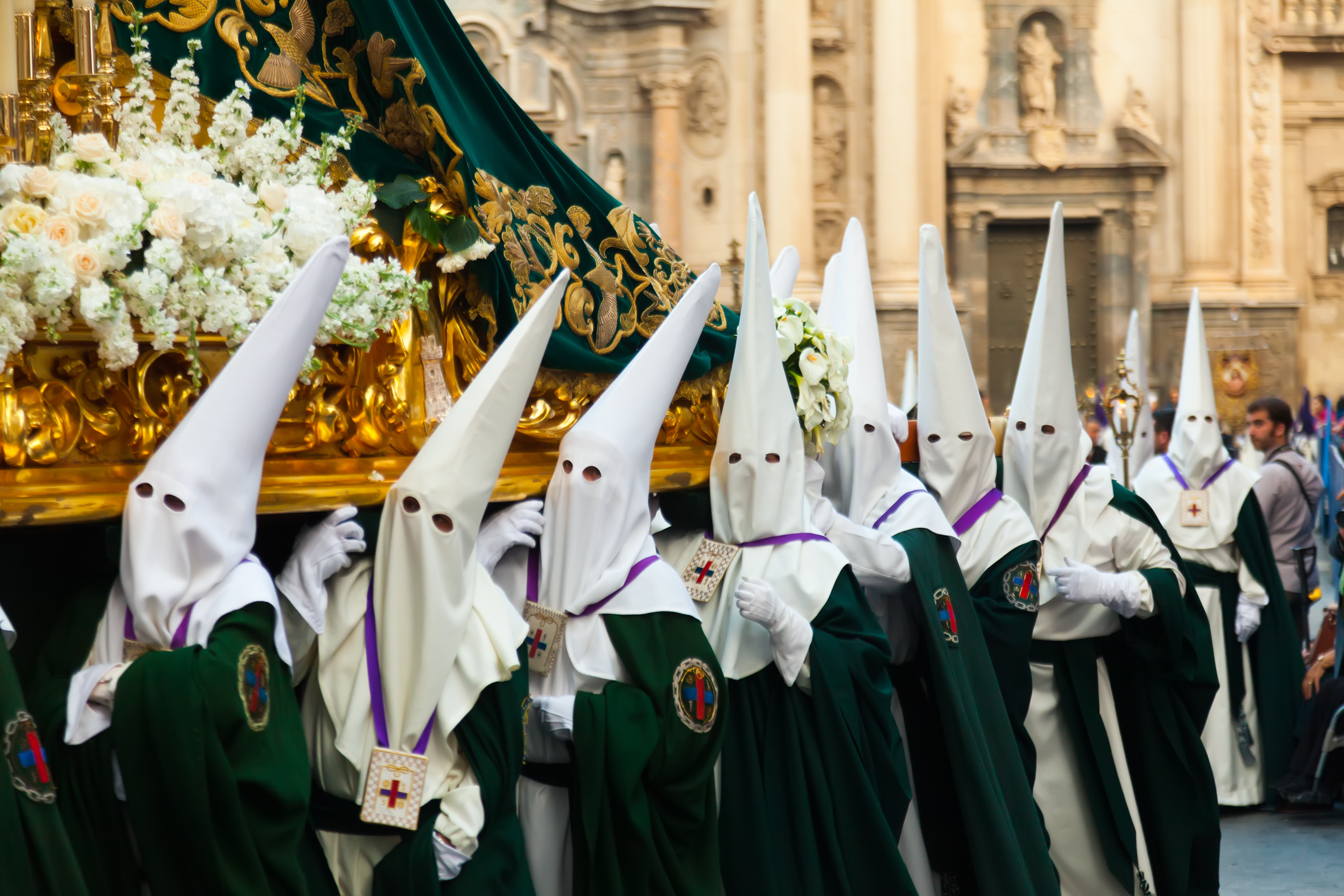
Photograph: JackF (Adobe Stock)
In Murcia city, Holy Week has a particular visual power because of the close relationship between the processions, the historic centre and the city’s baroque religious art. The atmosphere is quieter and more reverent than the spring festivities that follow, but it is no less theatrical. For visitors, it is a reminder that Murcia’s festival calendar is rooted as much in devotion and inherited ritual as in celebration.
Cartagena and Lorca are also worth knowing about if you are travelling more widely through the region. Cartagena’s processions have a formal, military precision, while Lorca is known for especially elaborate biblical pageantry and the rivalry between its great brotherhoods. If your trip falls around Easter, it is worth checking the programme in more than one town before deciding where to base yourself.
Bando de la Huerta
If Holy Week shows Murcia at its most solemn, Bando de la Huerta shows it at its most generous. Held on the first Tuesday after Easter, it is the great celebration of Murcia’s huerta: the fertile orchard landscape that has shaped the region’s food, farming and identity for centuries.
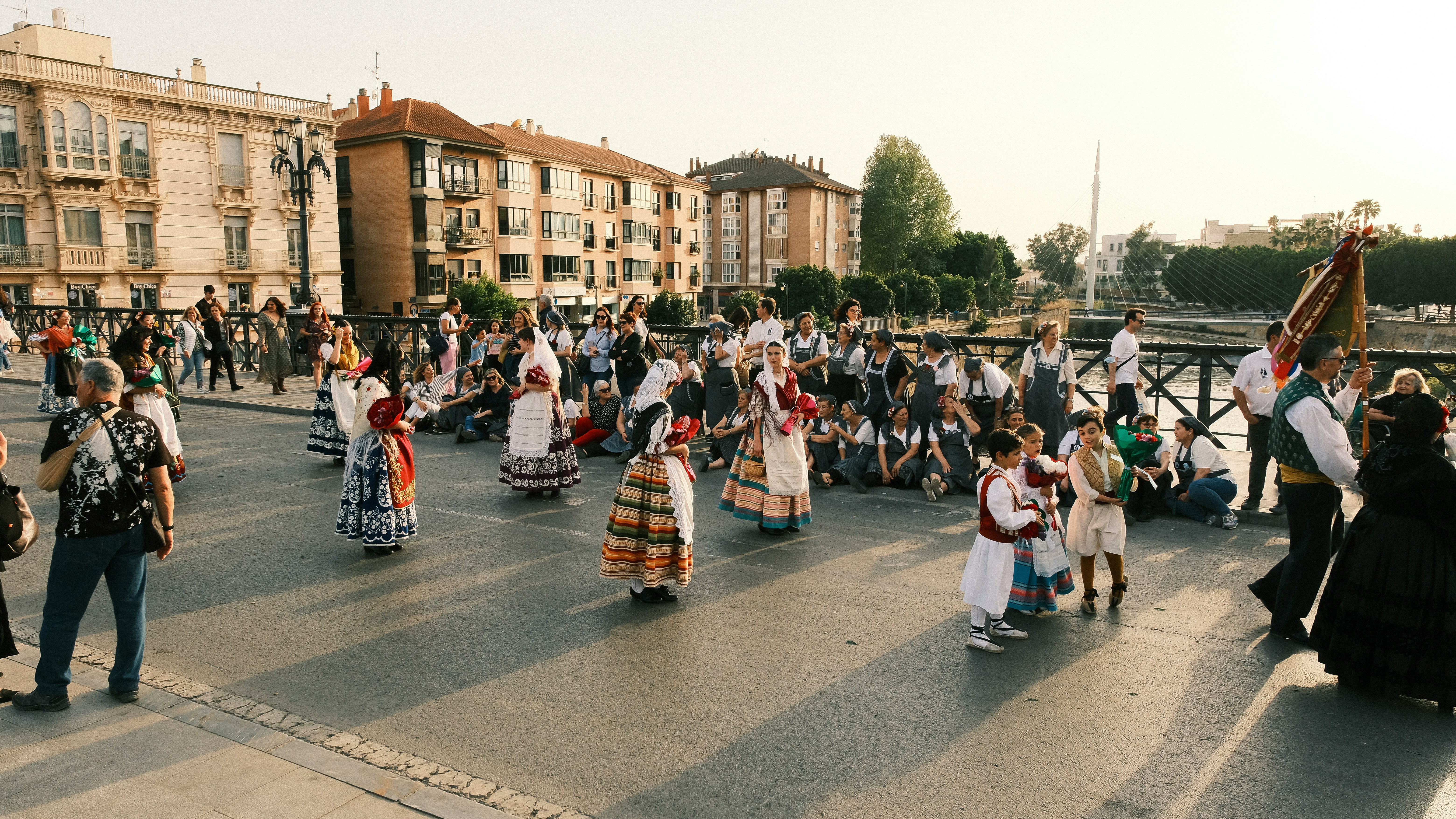
Photograph: Pablo Jiménez Pérez (Unsplash)
The day is built around traditional dress, folk music, horse-drawn carts, flowers, food and a huge public parade. Locals dress as huertanos and huertanas, the streets fill with colour, and the city becomes a tribute to rural Murcia. For food-focused travellers, this is one of the most rewarding times to be in the city because the celebration is tied so closely to produce, cooking and the idea of Murcia as the orchard of Europe.
Expect the city to be busy, sociable and full of movement. This is not a quiet sightseeing day. It is a day for wandering, watching, eating, stopping often, and letting the atmosphere carry you. If you want a neat museum-and-lunch itinerary, come another week. If you want to understand Murcia’s pride in its land, food and traditions, this is one of the best days of the year to visit.
Entierro de la Sardina
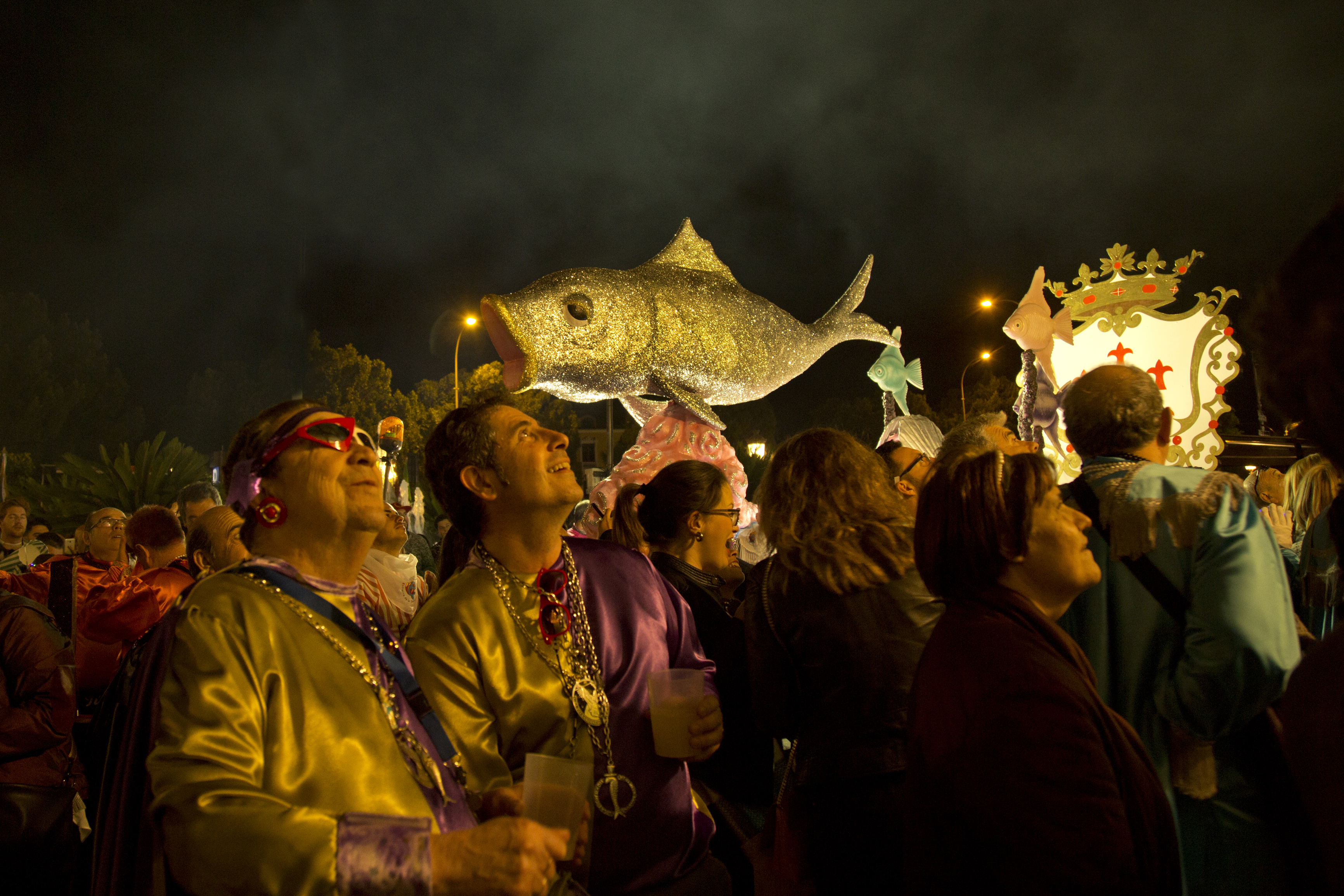
A few days later, Murcia changes mood again with Entierro de la Sardina, or the Burial of the Sardine. It marks the end of the Fiestas de Primavera and brings a more surreal, carnivalesque energy to the city, with mythology, floats, fire, music and a final burst of celebration.
The name may sound strange if you have not come across the tradition before, but that is part of its appeal. Entierro de la Sardina is playful, theatrical and deliberately excessive, with a giant sardine, costumed groups, fireworks and a sense that the city is leaning fully into spectacle. It is one of the clearest examples of Murcia’s ability to move from solemn ritual to joyful absurdity within the space of a single week.
Photograph: Elena Podolnaya (Dreamstime)
For visitors, the combination of Holy Week, Bando de la Huerta and Entierro de la Sardina makes spring one of the strongest times to plan a Murcia trip. You get religious tradition, food culture, folk identity and street theatre in close succession, which gives the city a depth that is easy to miss on a standard short break.
Spring is also a practical time to think carefully about where you stay. If you want to be close to the main processions and city celebrations, see the full guide to where to stay in Murcia. For a broader trip structure, the 3 days in Murcia itinerary can help you shape the rest of your visit around food, neighbourhoods and slower exploring.
Caravaca de la Cruz and early summer traditions
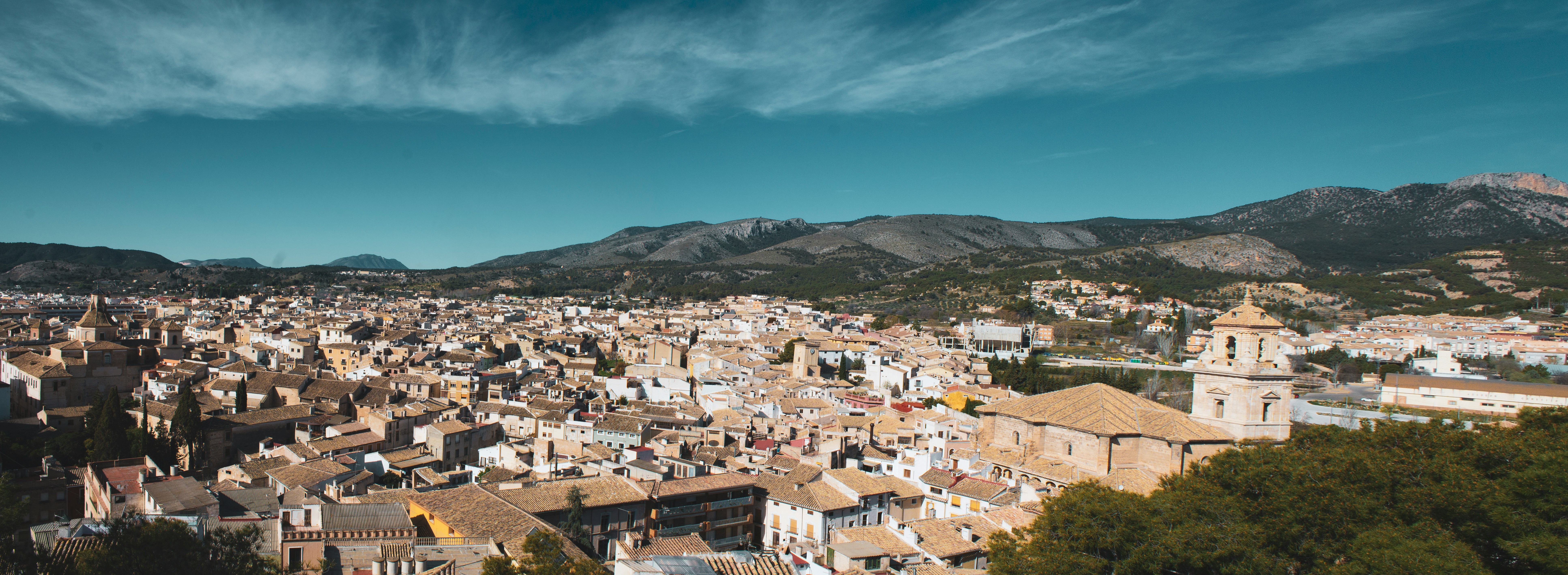
After the intensity of Murcia city’s spring celebrations, the festival calendar turns inland towards Caravaca de la Cruz. Set in the north-west of the Region of Murcia, Caravaca has a very different atmosphere from the regional capital. It is smaller, hillier and more closely associated with pilgrimage, sacred history and one of Spain’s most distinctive equestrian traditions.
Photograph: Enrique Vidal Flores (Unsplash)
Caravaca de la Cruz is one of Christianity’s holy cities, and its identity is deeply tied to the Santísima y Vera Cruz. That gives its May celebrations a particular weight. They are not simply local festivities added to the calendar for colour; they are rooted in devotion, civic memory, legend and the town’s long-standing role as a pilgrimage destination.
Fiestas de la Vera Cruz de Caravaca
The Fiestas de la Vera Cruz de Caravaca usually take place from 1 to 5 May, bringing together religious ceremony, Moors and Christians processions, music, street life and the town’s famous Caballos del Vino. For visitors, this is one of the clearest examples of how Murcia’s inland towns hold traditions that feel entirely different from the coastal or city experience.
The celebrations honour the Holy and True Cross of Caravaca, but they also spill into the streets with colour, movement and spectacle. The Moors and Christians element adds costume, performance and historical pageantry, while the wider atmosphere is one of a town fully absorbed by its own story.
If you are using Murcia city as a base, Caravaca can work as a day trip, but the May festivities are busy enough to justify planning more carefully. Accommodation, transport and timing matter. This is not a casual last-minute detour if you want to see the main events properly.
Caballos del Vino
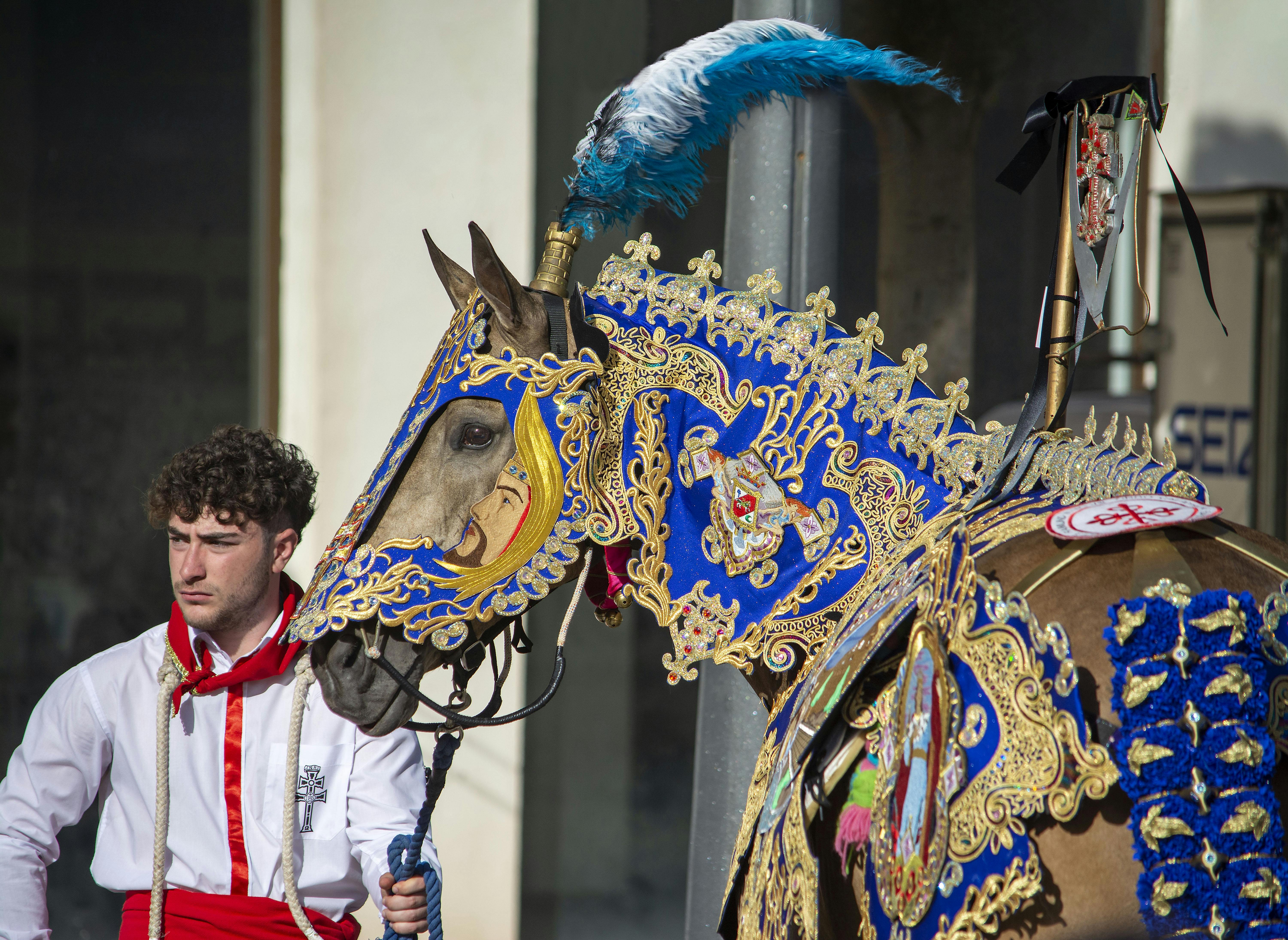
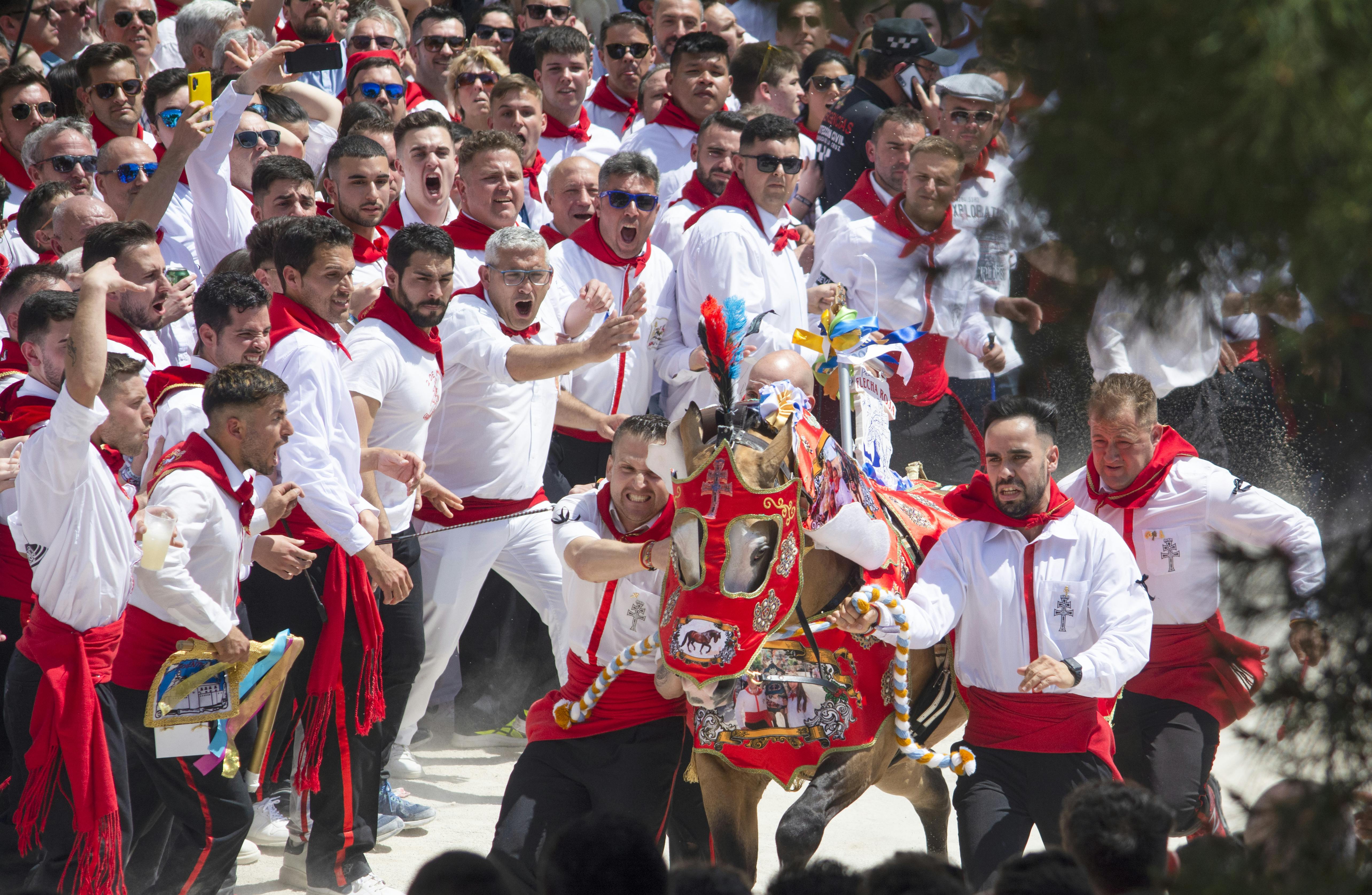
Caballos del Vino, or the Wine Horses, is the great visual centrepiece of Caravaca’s May celebrations. The tradition is built around horses dressed in richly embroidered mantles, led through the streets by their handlers before the famous uphill race towards the castle area.
Photograph: Ali Camacho Adarve (Pexels)
What makes the event so striking is the combination of speed, craftsmanship and local pride. The horses are not simply decorated for spectacle. Their mantles are intricate textile works, often shimmering with silk, gold and dense embroidery, and the preparation behind them is part of the cultural significance of the festival.
There is a physical drama to Caballos del Vino that makes it unlike many other Spanish fiestas. It is noisy, crowded, fast-moving and visually intense, but it is also deeply local. The excitement comes not only from the race itself, but from the sense of collective ownership around it. Caravaca does not perform this tradition at a distance. It lives inside it.
Photograph: Ali Camacho Adarve (Pexels)
For travellers interested in Murcia beyond the obvious city break, Caravaca is one of the most rewarding cultural additions to the itinerary. It connects the region’s religious history, inland landscapes, craft traditions and festival calendar in a way that feels both spectacular and specific.
Caravaca is also a strong candidate for a wider regional day trip, especially if you are planning beyond Murcia city itself. For more food-led and cultural ways to shape the trip, see the guide to food and drink experiences in Murcia, or use the main Murcia itinerary as a starting point.
Summer music and cultural festivals in Murcia
Summer in the Region of Murcia has a different rhythm from spring. The ceremonial intensity of Easter and the orchard-rooted celebrations of Murcia city give way to coastal evenings, outdoor stages, late dinners and music that spills across plazas, old markets, ports and festival sites.
This is the season when the wider region becomes especially important. Cartagena, La Unión and Los Alcázares each offer a different kind of summer event, from globally minded music programming to flamenco heritage and contemporary festival culture by the Mar Menor.
La Mar de Músicas, Cartagena
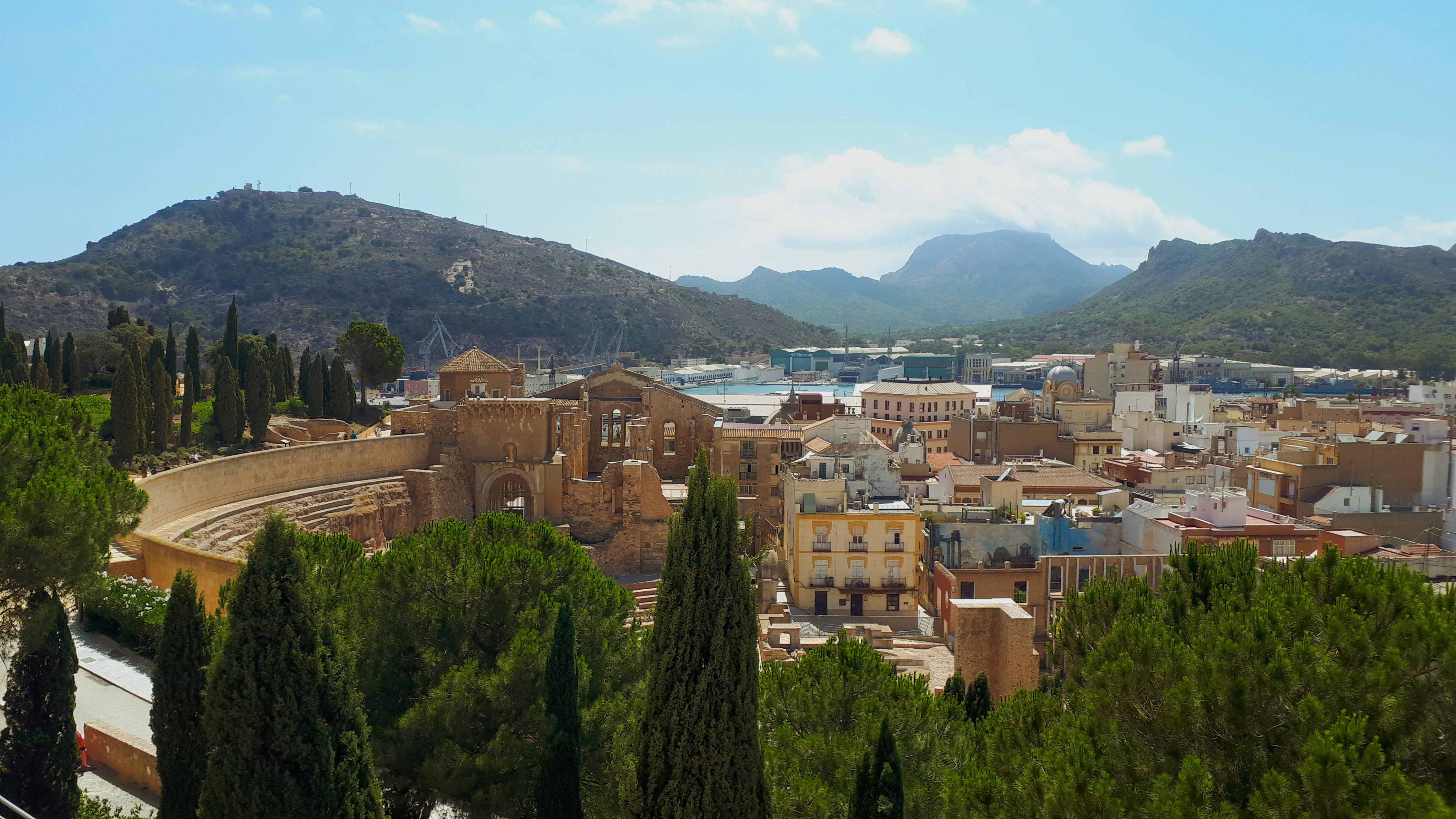
La Mar de Músicas is one of Cartagena’s great summer cultural events. Held annually in the city, it brings international music, global culture and a strong sense of place to one of Murcia’s most atmospheric coastal settings.
What makes the festival especially appealing for travellers is the way it belongs to Cartagena itself. This is not a generic summer music event dropped into a destination. The city’s Roman history, port setting, old streets and Mediterranean light all become part of the experience. Concerts and cultural programming give visitors a reason to linger in Cartagena beyond the obvious historic sights.
Photograph: Joanna Hall (Unsplash)
For a food-led trip, La Mar de Músicas can work beautifully as part of a summer stay in the region. Spend the day exploring Cartagena’s Roman theatre, naval history and harbour, then let the evening move towards music, drinks and dinner. It is a very different version of Murcia from springtime in the capital, but just as useful for understanding the region’s cultural range.
Fan Futura Fest, Los Alcázares
Fan Futura Fest brings a more contemporary festival mood to the Murcia calendar. Held in Los Alcázares, close to the Mar Menor, it leans into urban and current music genres, with camping, buses and festival infrastructure making it feel more like a modern summer event than a traditional town fiesta.
This is the festival to include if you want the article to reflect Murcia as it is now, not only Murcia as inherited tradition. It gives younger travellers, groups of friends and music-focused visitors a different reason to look at the region, especially if they are already interested in coastal towns, beach days and warm July nights.
It also helps show that the Mar Menor is not only a beach backdrop. In summer, places like Los Alcázares become part of the region’s social and cultural calendar, particularly for visitors who want their Murcia trip to feel more relaxed, coastal and nightlife-led.
Cante de las Minas, La Unión
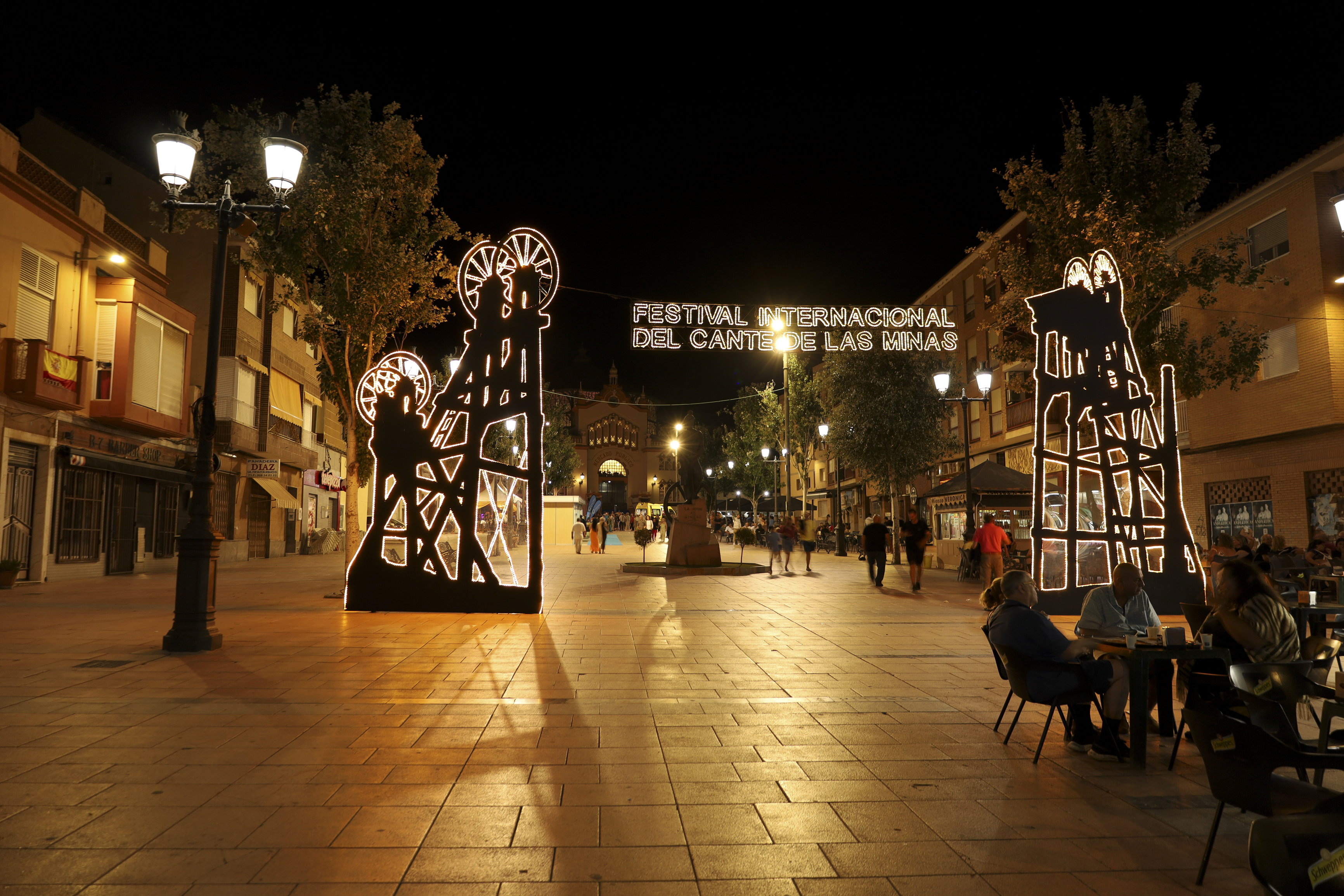
Cante de las Minas, held in La Unión, is one of the most important cultural events in the Region of Murcia. It is a flamenco festival with deep roots in the mining history of the area, and it gives summer in Murcia a very different tone from the coastal music festivals.
The setting matters. La Unión’s old public market, often closely associated with the festival, connects the performances to the town’s industrial and mining past. That history gives the music a particular gravity. This is not flamenco as an easy tourist flourish; it is flamenco tied to work, place, hardship, memory and artistic inheritance.
Photograph: Sonia Bonet (Dreamstime)
For culturally curious travellers, Cante de las Minas is one of the strongest reasons to visit the region in late summer. It offers a more intense and rooted experience than a general music festival, especially for anyone interested in Spanish music, performance traditions or the relationship between landscape, labour and art.
Taken together, Cartagena, Los Alcázares and La Unión show how varied Murcia’s summer calendar can be. You can build a trip around global music, contemporary festival culture, flamenco heritage, coastal evenings and city exploration, without relying on one single version of what a Murcia summer should look like.
If your Murcia trip is built around summer events, it is worth thinking beyond the regional capital. The main Murcia itinerary is a useful base for planning the city itself, while the guide to food and drink experiences in Murcia can help add tastings, tours and bookable food-led experiences around the wider trip.
Autumn fairs, history and local celebrations
Autumn is one of the most useful seasons to keep in mind when planning a trip to Murcia. The heat of high summer begins to soften, the city returns to itself after the coastal pull of August, and September brings some of the region’s most atmospheric public celebrations.
This is the season for fairgrounds, food stalls, historical re-enactments and a more lived-in version of the region’s cultural calendar. It is also a good time for travellers who want warmth and atmosphere without building their whole trip around Easter.
Feria de Murcia
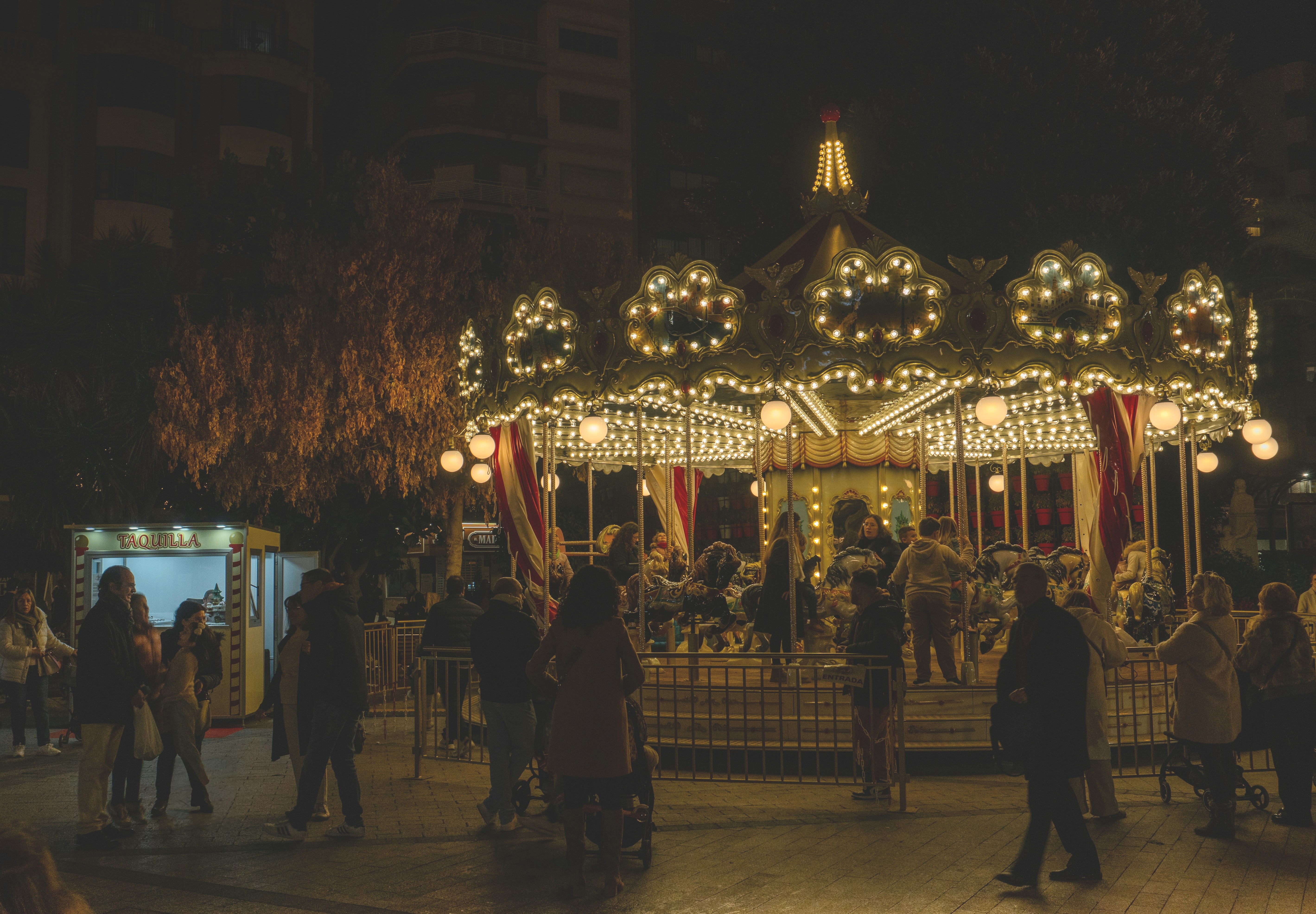
Feria de Murcia is the city’s major September celebration, bringing together fairground energy, traditional food, concerts, religious devotion and public events across the city. It is less internationally famous than Bando de la Huerta or Entierro de la Sardina, but it is one of the best ways to experience Murcia as a working, sociable, festival city rather than simply a short-break destination.
One of the most distinctive parts of the fair is the way it mixes the everyday and the ceremonial. There are fairground attractions, music and late-night socialising, but also the deep local importance of the Virgen de la Fuensanta, whose movements between her sanctuary and the city form part of Murcia’s September rhythm.
Photograph: Mike Vashk (Unsplash)
For food-focused travellers, Feria de Murcia can be especially appealing because the Huertos del Malecón bring traditional cooking, local dishes and open-air eating into the celebration. It is a good reminder that Murcia’s festival culture is rarely separate from food. Even when the event is civic, religious or historical, eating and gathering are part of the atmosphere.
If you are planning a September visit, it is worth checking the annual programme before booking. The fair can affect accommodation demand, evening crowds and city-centre movement, but it can also make Murcia feel unusually animated, especially if you enjoy travelling when a city is actively celebrating itself.
Carthaginians and Romans Festival, Cartagena
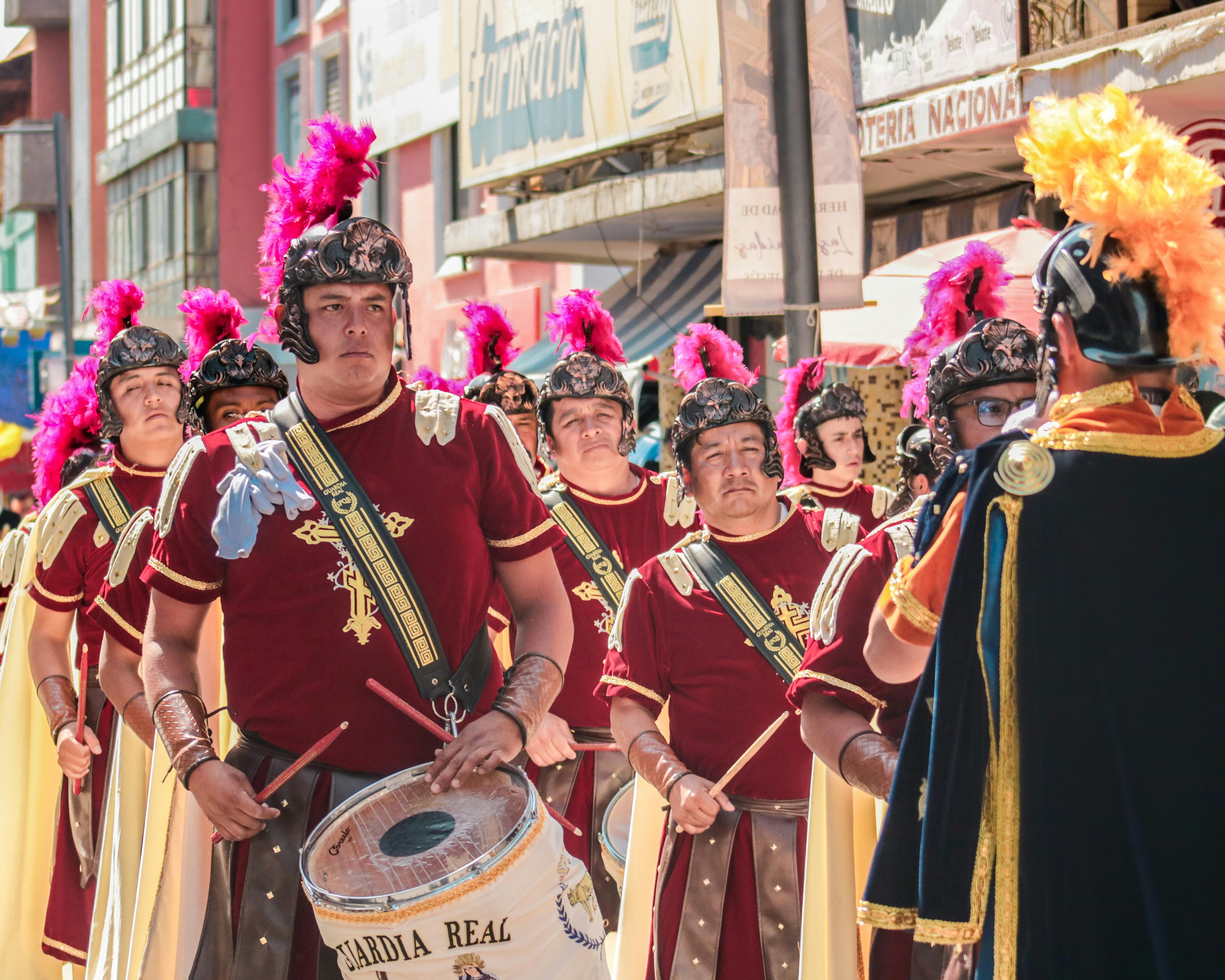
Cartagena’s Carthaginians and Romans Festival is one of the most visually distinctive events in the Region of Murcia. Held in September, it turns the city’s ancient history into a large-scale public performance, with troops, legions, costumes, camps, parades and staged episodes connected to the Second Punic War.
Photograph: Eden FC (Pexels)
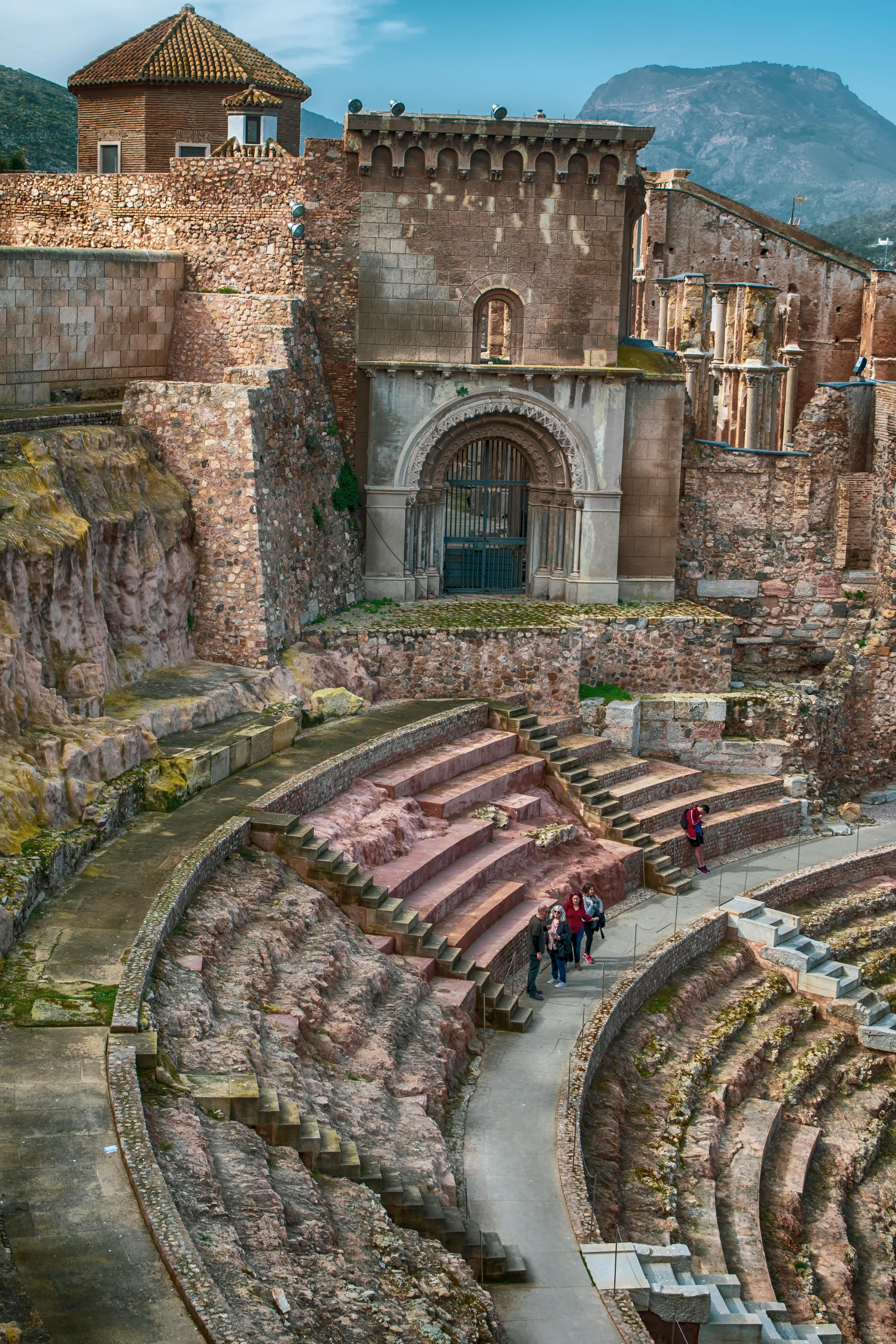
The setting does a lot of the work. Cartagena already feels layered with Roman, military and maritime history, so the festival has a natural backdrop. Rather than feeling like spectacle placed on top of the city, it draws attention to the history that is already underfoot: the port, the Roman theatre, the archaeological remains and the sense that Cartagena has always been shaped by the Mediterranean.
Photograph: Enrique72 (Pexels)
For visitors, this is one of the strongest reasons to include Cartagena in a Murcia-region itinerary. You can pair the festival atmosphere with daytime exploring, harbour walks, museums and seafood-led meals, then stay into the evening as the city becomes more theatrical.
It is also a useful contrast with Murcia city’s spring festivals. Where Bando de la Huerta is rooted in orchard culture and local food identity, Cartagena’s great September celebration leans into ancient history, costume, civic imagination and the drama of a port city with a long Mediterranean past.
La Purísima de Yecla
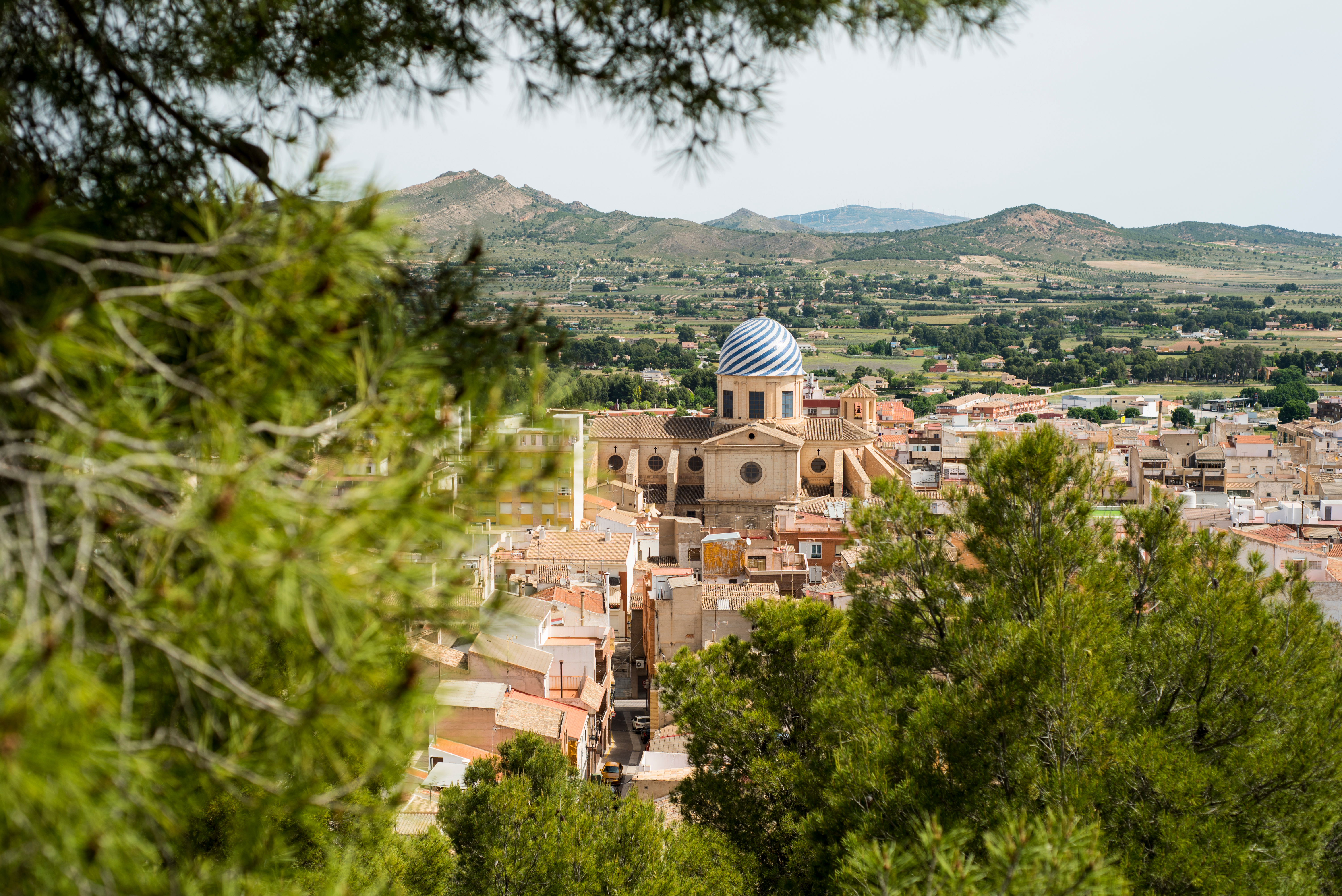
As autumn gives way to December, Yecla adds another distinctive inland tradition to the regional calendar with the Fiestas de la Virgen, also known as La Purísima. This is one of those events that helps show how much of Murcia’s cultural identity sits outside the regional capital, in inland towns with their own histories, devotions and rhythms.
The festival is associated with the Virgen del Castillo and has roots going back centuries. For travellers, Yecla is also worth noting because it sits in one of Murcia’s important wine areas, making it a useful addition to a wider cultural or food-led route through the region.
La Purísima is not the obvious first festival to plan around if you are new to Murcia, but that is part of its interest. It belongs to the quieter, more local side of the calendar, where devotion, town identity and regional wine country begin to overlap.
Autumn is also a good season for widening the trip beyond Murcia city. Cartagena, Yecla and the north-west of the region all work well as part of a broader cultural itinerary, especially if you are interested in history, wine country and local festivals beyond the capital. For practical route ideas, transport notes and wider regional inspiration, see the guide to day trips from Murcia, which includes Cartagena, Caravaca de la Cruz, La Unión, Yecla and other places worth considering beyond the city.
Photograph: Roberto (Adobe Stock)
Winter and quieter local traditions
After Yecla’s patron saint festivities, winter in Murcia becomes quieter but not empty. The pace changes. The large-scale parades, music festivals and fairground energy give way to town traditions, religious celebrations, festive lights and a milder kind of city break that can be very appealing if you prefer travelling outside the busiest months.
This is the season when Murcia’s festival calendar becomes more local and less obvious to first-time visitors. It is not always about planning a trip around one headline event. Sometimes the appeal is in seeing how the region marks the darker months through devotion, community, food, markets and winter gatherings.
Christmas, Three Kings and winter atmosphere
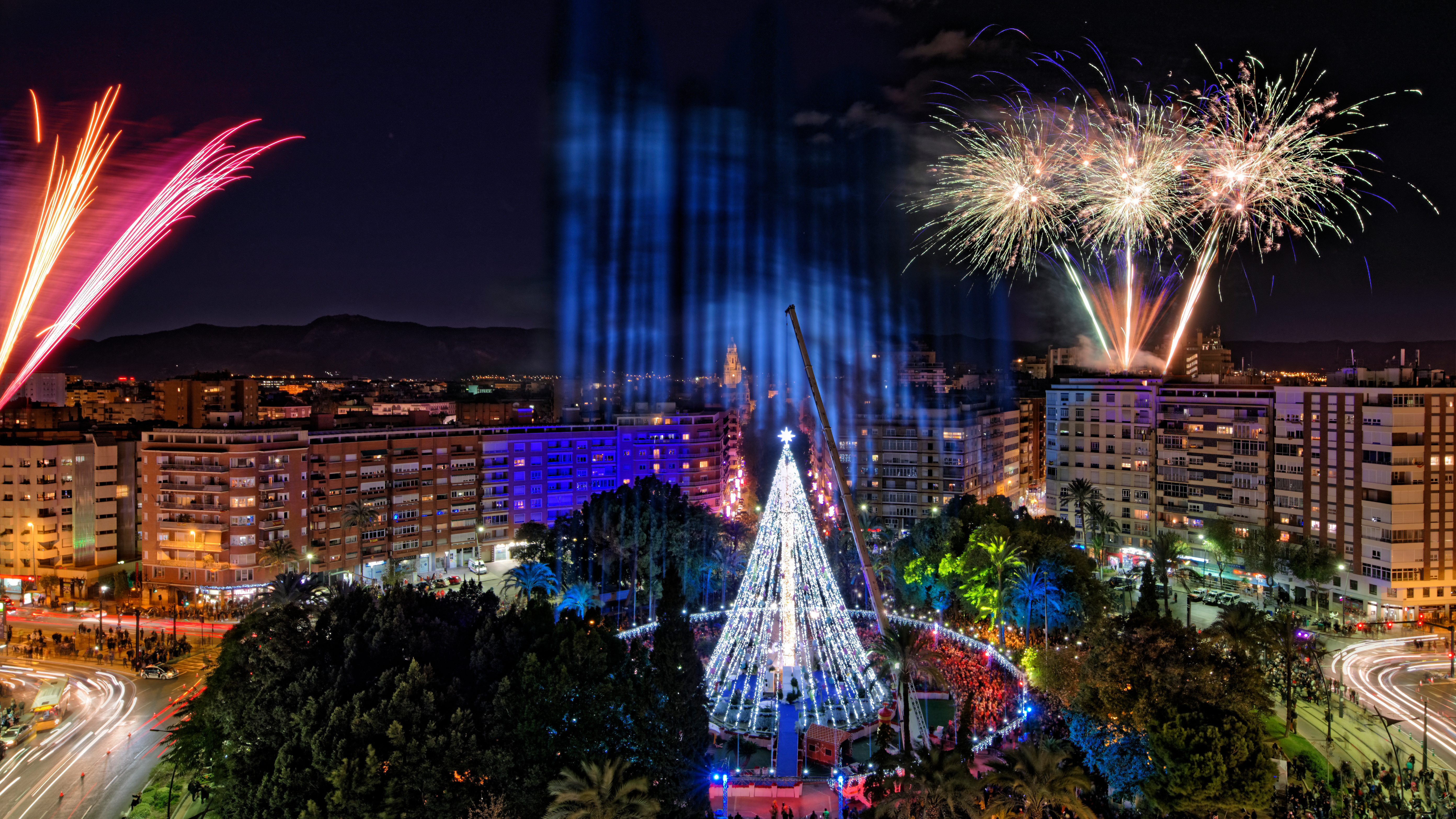
Across Murcia, December and early January bring the familiar Spanish festive rhythm of Christmas lights, nativity scenes, markets, family gatherings and Three Kings celebrations. Murcia city, Cartagena and towns across the region usually mark the season with public events, children’s activities, concerts and processions, although exact programmes change from year to year.
For travellers, winter can be a good time to visit if you want a calmer version of Murcia. The city is still lively, but the atmosphere is less intense than Easter, May or September. It is a useful season for slow wandering, long lunches, museum visits and exploring the historic centre without feeling pulled constantly towards a major festival programme.
Photograph: Joaquín Zamora (Adobe Stock)
It is also a good reminder that “festival travel” does not always mean crowds and fireworks. In Murcia, winter is more about local continuity: religious calendars, town traditions, seasonal food, family life and the slower side of Mediterranean urban culture.
Best time to visit Murcia for festivals
The best time to visit Murcia for festivals depends on what kind of atmosphere you want. Spring is the strongest season for traditional city celebrations, May is especially good for Caravaca de la Cruz, summer suits music and coastal events, and September is one of the best months for combining warm weather with fairgrounds, history and regional culture.
For traditional Murcia city festivals: visit in spring
If you want to experience Murcia at its most distinctive, spring is the best time to visit. Holy Week, Bando de la Huerta and Entierro de la Sardina unfold close together, giving the city an unusually rich sequence of devotion, food culture, folk identity and street theatre.
This is the season to choose if you want processions, traditional dress, flower-filled streets, fireworks, orchard culture and the feeling that the whole city is involved. It is also one of the busiest and most atmospheric periods of the year, so accommodation and restaurant planning matter more than they would on an ordinary weekend.
For pilgrimage, horses and inland tradition: visit in May
May is the month to look at if Caravaca de la Cruz is part of your plan. The Fiestas de la Vera Cruz and Caballos del Vino bring a very different kind of energy from Murcia city’s spring celebrations, with pilgrimage, Moors and Christians pageantry, horses, embroidered mantles and a strong sense of local pride.
This is a good choice for travellers who want to understand the wider Region of Murcia beyond the capital. It is less about a general city break and more about planning around a specific cultural event, so transport, timings and accommodation should be checked carefully before committing to dates.
For music and coastal atmosphere: visit in July or August
Summer is best for music-led cultural travel. Cartagena’s La Mar de Músicas, La Unión’s Cante de las Minas and contemporary events around the Mar Menor give the region a more late-night, coastal and performance-focused feel.
This is the season to choose if you want warm evenings, outdoor stages, music, harbour towns and a trip that combines culture with the Mediterranean summer mood. It can also be hot, so it works best if you plan your days slowly, leave room for shade and move more of your exploring into the morning and evening.
For fairs, history and shoulder-season warmth: visit in September
September is one of the most appealing months for a festival-focused Murcia trip. Feria de Murcia brings the city back into celebration after the height of summer, while Cartagena’s Carthaginians and Romans Festival offers one of the region’s most visually memorable historical events.
This is a particularly good month if you want atmosphere without relying entirely on the Easter calendar. It can suit travellers who want warm weather, food, evening events, fairground energy and cultural depth, while still being able to shape the rest of the trip around sightseeing, markets and slower exploring.
For a quieter cultural city break: visit in winter
Winter is not the most dramatic festival season in Murcia, but it can still be rewarding. Christmas lights, nativity displays, concerts, markets and Three Kings celebrations give the city and wider region a gentler seasonal rhythm, while the milder climate makes it a practical choice for slow cultural travel.
This is the season to choose if you are less interested in major crowds and more interested in food, museums, historic streets, long lunches and everyday local life. Exact festive programmes change each year, so winter works best when treated as a flexible cultural city break rather than a trip built around one fixed event.
Once you know which season suits your trip, the next step is choosing the right base, checking event dates carefully and allowing enough flexibility for crowds, closures, late nights and transport.
Photograph: Leonid Andronov (Shutterstock)
Practical tips for planning a festival trip to Murcia
Murcia’s festival calendar can add real depth to a trip, but it also changes the practical rhythm of travel. Streets may be busier, restaurants can fill more quickly, public transport may run differently, and city-centre accommodation may be in higher demand around major events. A little planning makes the experience much easier.
Check exact dates before booking
Some Murcia festivals follow fixed dates, while others move according to the Easter calendar or publish detailed programmes closer to the event. Holy Week, Bando de la Huerta and Entierro de la Sardina all depend on the timing of Easter, so check official tourism and town hall listings before booking flights, accommodation or transport.
Even for festivals that usually happen in the same month each year, it is worth checking the current programme. Concert times, processional routes, parade details, ticketed performances and transport arrangements can all change from one edition to the next.
Choose your base carefully
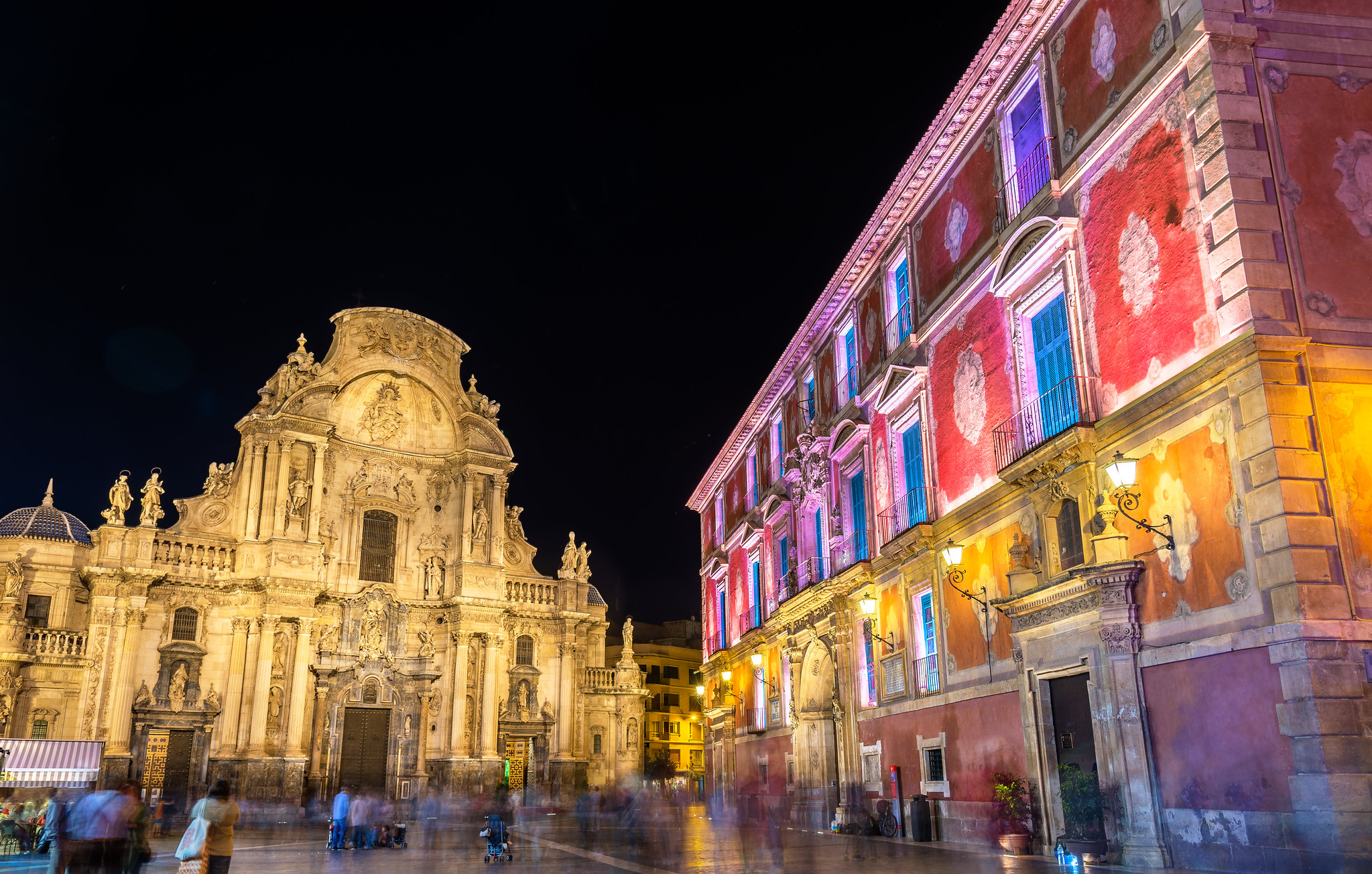
If your trip is focused on Murcia city events such as Holy Week, Bando de la Huerta, Entierro de la Sardina or Feria de Murcia, staying close to the historic centre is usually the easiest option. Being able to walk back to your accommodation after a late evening, busy parade or long meal can make the trip feel much calmer.
For a more detailed breakdown of areas, see the full guide to where to stay in Murcia. It is especially useful if you are deciding between a central base, a quieter neighbourhood or a location with easier access to onward travel.
If your festival plans are built around Cartagena, Caravaca de la Cruz, La Unión, Los Alcázares or Yecla, think carefully before assuming Murcia city is always the most practical base. Some events may work as day trips, but others are easier if you stay locally, hire a car, or split your time between Murcia city and the wider region.
Book accommodation earlier for major festival periods
Festival periods can affect both availability and price, particularly around Easter, the Fiestas de Primavera, May celebrations in Caravaca and September events in Murcia and Cartagena. If your dates are fixed, it is worth comparing places to stay sooner rather than leaving it until the last minute.
For a city-based trip, start with central Murcia and compare whether the convenience of walking to events is worth paying a little more. For regional festivals, look at the practicalities first: how late the event runs, whether you need to drive, and whether public transport will still be useful after evening celebrations.
Allow space in the itinerary
Festival travel is not the moment for over-planning every hour. Processions may run late, streets may be closed, meals may take longer, and the best moments are often the ones you come across by wandering slowly rather than rushing between fixed stops.
Use the main 3 days in Murcia itinerary as a starting point, then loosen it around festival dates. A morning market visit, a long lunch, an evening procession and a late walk through the city can be more rewarding than trying to force every museum, viewpoint and restaurant into one day.
Pack for long days and late evenings
Festival days in Murcia can mean long stretches on your feet, late-night events, crowded streets and shifting temperatures between sunny afternoons and cooler evenings. Comfortable shoes are essential, especially for processions, fairgrounds and historic centres with uneven paving. In spring and summer, bring sun protection, a refillable water bottle and light layers; for evening events, a small crossbody bag or zipped day bag is useful in busy areas. For practical travel pieces that work across city breaks, festival days and regional excursions, see the curated Culinary Travels packing and planning edit.
Use food to understand the festival calendar
In Murcia, festivals are rarely separate from food. Bando de la Huerta celebrates the orchard culture that shapes the region’s cooking. Feria de Murcia brings traditional eating into the city through the Huertos del Malecón. Caravaca, Yecla and the wider region all connect celebration with local identity, gathering and hospitality.
Before you go, it is worth reading more about what to eat in Murcia, especially if your trip coincides with spring or September events. If you want to build more food-led structure into the visit, the guide to food and drink experiences in Murcia may also help you find tastings, tours and bookable experiences that fit around the festival calendar.
Think beyond the regional capital
Murcia city is the natural starting point for many travellers, but some of the region’s most memorable cultural events happen elsewhere. Cartagena, Caravaca de la Cruz, La Unión, Los Alcázares and Yecla all show different sides of the region, from Roman history and flamenco heritage to pilgrimage, wine country and contemporary summer music.
If you have more than a short city break, consider shaping the trip around one or two wider regional stops rather than treating every festival as something to squeeze into a day trip. This is especially useful in summer and September, when evening events can make overnight stays more appealing. For more practical ideas, see the guide to day trips from Murcia.
Photograph: a_medvedkov (Adobe Stock)
FAQs about Murcia festivals and cultural events
What is the most famous festival in Murcia?
Bando de la Huerta and Entierro de la Sardina are two of Murcia city’s most famous celebrations. Both form part of the Fiestas de Primavera after Easter, but they have very different moods. Bando de la Huerta celebrates Murcia’s orchard culture, food traditions and folk dress, while Entierro de la Sardina brings a more surreal, carnival-like finale to the spring festivities.
When is the best time to visit Murcia for festivals?
Spring is the best time to visit Murcia for traditional city festivals, especially if you want to experience Holy Week, Bando de la Huerta and Entierro de la Sardina. May is strong for Caravaca de la Cruz, summer suits music and coastal events, and September is excellent for Feria de Murcia and Cartagena’s Carthaginians and Romans Festival.
Are Murcia festivals good for food lovers?
Yes. Food is closely tied to many of Murcia’s festivals, particularly Bando de la Huerta and Feria de Murcia. The region’s identity is strongly connected to the huerta, or orchard landscape, and many celebrations involve traditional dishes, local produce, open-air eating and the social rituals of gathering around food.
Do Murcia festival dates change every year?
Some do. Holy Week, Bando de la Huerta and Entierro de la Sardina move according to the Easter calendar, so their dates change each year. Other events usually take place around the same month annually, but exact dates, routes, programmes and ticket details should always be checked with official tourism or town hall sources before booking travel.
Is Murcia very busy during festival periods?
Murcia can be much busier during major festival periods, especially around Holy Week, the Fiestas de Primavera and Feria de Murcia. City-centre streets may be crowded, accommodation can be in higher demand, and restaurants may fill more quickly. For the easiest experience, book accommodation earlier and allow flexibility in your itinerary.
Can you visit Murcia festivals as a day trip?
Some festivals can be experienced on a day trip, especially if you are already staying nearby. However, events in Caravaca de la Cruz, Cartagena, La Unión, Los Alcázares or Yecla may be easier with an overnight stay, particularly if the main celebrations happen in the evening or involve large crowds. Murcia city works well as a base for many trips, but it is not always the most practical option for every regional festival.
Photograph: Chus García (Pexels)
Final thoughts: why Murcia’s festival calendar is worth planning around
Murcia’s festivals are not just dates to add to a travel calendar. They are one of the clearest ways to understand the region: its devotion, its food culture, its inland towns, its coastal cities, its music, its history and its deep attachment to local identity.
What makes the calendar especially rewarding is the variety. Spring in Murcia city feels entirely different from summer in Cartagena, September in the fairgrounds, flamenco in La Unión, pilgrimage traditions in Caravaca de la Cruz or the quieter local rhythms of Yecla. Each event adds another layer to the region, and together they make Murcia feel far richer than a standard city break might suggest.
If you are planning your first visit, spring and September are the easiest festival seasons to build a trip around. If you already know Murcia city and want to go deeper, Caravaca, Cartagena, La Unión, Los Alcázares and Yecla all offer strong reasons to look beyond the regional capital.
However you time it, the best approach is to leave space. Murcia’s festival calendar rewards wandering, watching, eating slowly, following the sound of music down a street, and allowing the city or town to set the pace for a while.
Plan the rest of your time in Murcia
If you are using this festival guide to decide when to visit, the next step is shaping the rest of the trip around food, neighbourhoods and a practical base. For a fuller city-break structure, see the 3 days in Murcia itinerary, then compare areas in the guide to where to stay in Murcia, especially if you are visiting during Semana Santa, Bando de la Huerta, Entierro de la Sardina or the September Feria.
For the food-led side of the trip, the guide to what to eat in Murcia explains the dishes, tapas and local flavours worth looking out for, while the Murcia food and drink experiences guide highlights tastings, tours and bookable ways to explore the region more deeply. For Cartagena, Caravaca de la Cruz, La Unión, Yecla and other regional stops, continue with the guide to day trips from Murcia.
Stay in Touch
Culinary Travels publishes destination guides, seasonal recipes, and food-led travel features from the UK and beyond.
Follow for new articles and updated travel resources:
Facebook | Instagram | Pinterest
Newsletter
Receive new guides, recipes, and occasional travel planning notes by email: Subscribe here
Reader feedback and local recommendations are always welcome via the contact page.


©2026 Culinary Travels. Culinary Travels is written and edited by Georgina Ingham | Website designed by The Smarter Web Company
What Our Followers Say
"A highly complimentary article ... showcasing why the English Market remains one of Ireland's premier food destinations"
Cork City Council via Facebook
"Our list of things to do in Cork has just expanded hugely thanks to Culinary Travels."
Triskel Art Centre Cork, via Twitter
“Tried this last night and it was delicious!”
Reader feedback via Pinterest, Yangzhou Fried Rice Recipe
"Oh yum!!! I could eat one or two right now!"
Sami Tamimi, via Instagram, on Ma’amoul Cookies
"Georgina was great to work with, quick to respond, and is a excellent content writer - would highly recommend"
Nick S - Get Blogged
“A simple no-knead dough transformed into beautiful, rustic rolls.”
Reader feedback via Pinterest, No-Knead Ciabatta Rolls Recipe