
Articles


Food and Wine Experiences in Murcia: Tastings, Tours and Culinary Day Trips
Murcia is one of Spain’s most quietly rewarding regions for food and wine lovers. It does not have the instant name recognition of Barcelona, Seville or San Sebastián, but that is part of its appeal. Here, food still feels closely tied to the land around it: market-garden vegetables, rice dishes, seafood from the Mar Menor and Mediterranean coast, old-school tapas bars, traditional pastries, and generous wines from nearby wine regions such as Bullas, Jumilla and Yecla.
For travellers who like to understand a place through what they eat and drink, Murcia is a brilliant city to slow down in. You can build a trip around long lunches, vermouth stops, local markets, vineyard visits and regional dishes that rarely make it onto the standard Spain itinerary. The best food and wine experiences in Murcia are not just about ticking off another tasting or tour. They help explain why this corner of south-eastern Spain has such a distinctive culinary identity.
Some articles on Culinary Travels may contain affiliate links, meaning I may earn a small commission at no extra cost to you. I only recommend products, places and experiences that fit the editorial tone and standards of the site.
This guide brings together the Murcia food and wine experiences worth considering, from wine tastings and vineyard day trips to tapas-led city experiences, market visits and culinary excursions that work well as part of a longer food-focused Murcia itinerary.
In this guide
1) Quick answer
4) Wine tastings and vineyard visits
5) Food landscapes and rural produce
6) Coastal food and wine experiences
8) FAQs
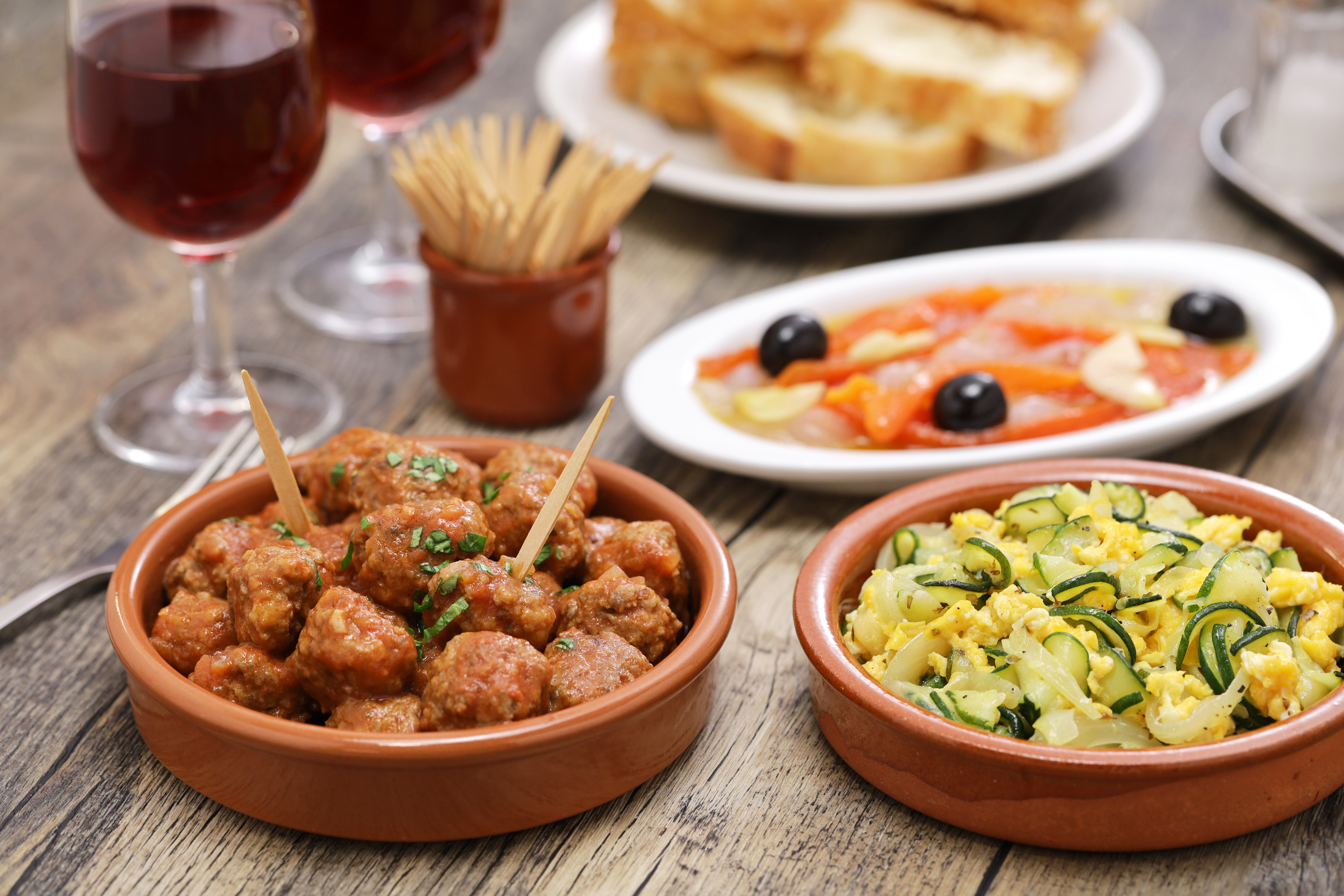
Photograph: Uckyo (Adobe Stock)
Quick Answer: the Best Food and Wine Experiences in Murcia
The best food and wine experiences in Murcia are usually centred on three things: the city’s tapas and market culture, the region’s local dishes, and its surrounding wine areas. For a first visit, the most rewarding options are a Murcia tapas or food tour, a guided wine tasting, or a vineyard day trip to one of the nearby wine regions such as Bullas, Jumilla or Yecla.
If you are short on time, choose a city-based food experience that introduces Murcia’s tapas bars, traditional dishes and local produce. If food and wine are a major focus of your trip, allow time for a vineyard or winery experience outside the city, especially if you are interested in Monastrell wines and the broader food culture of the Region of Murcia.
Before booking, check exactly where each experience starts, whether transfers are included, how long the tasting or tour lasts, and whether food is part of the price or offered as an optional extra. For wine tastings in Bullas, Jumilla or Yecla, organised transport can be the easiest option if you want to enjoy the wines properly. For rice routes, farm visits and coastal tastings, comfortable shoes, sun protection and a refillable water bottle are worth packing, especially outside the city centre.
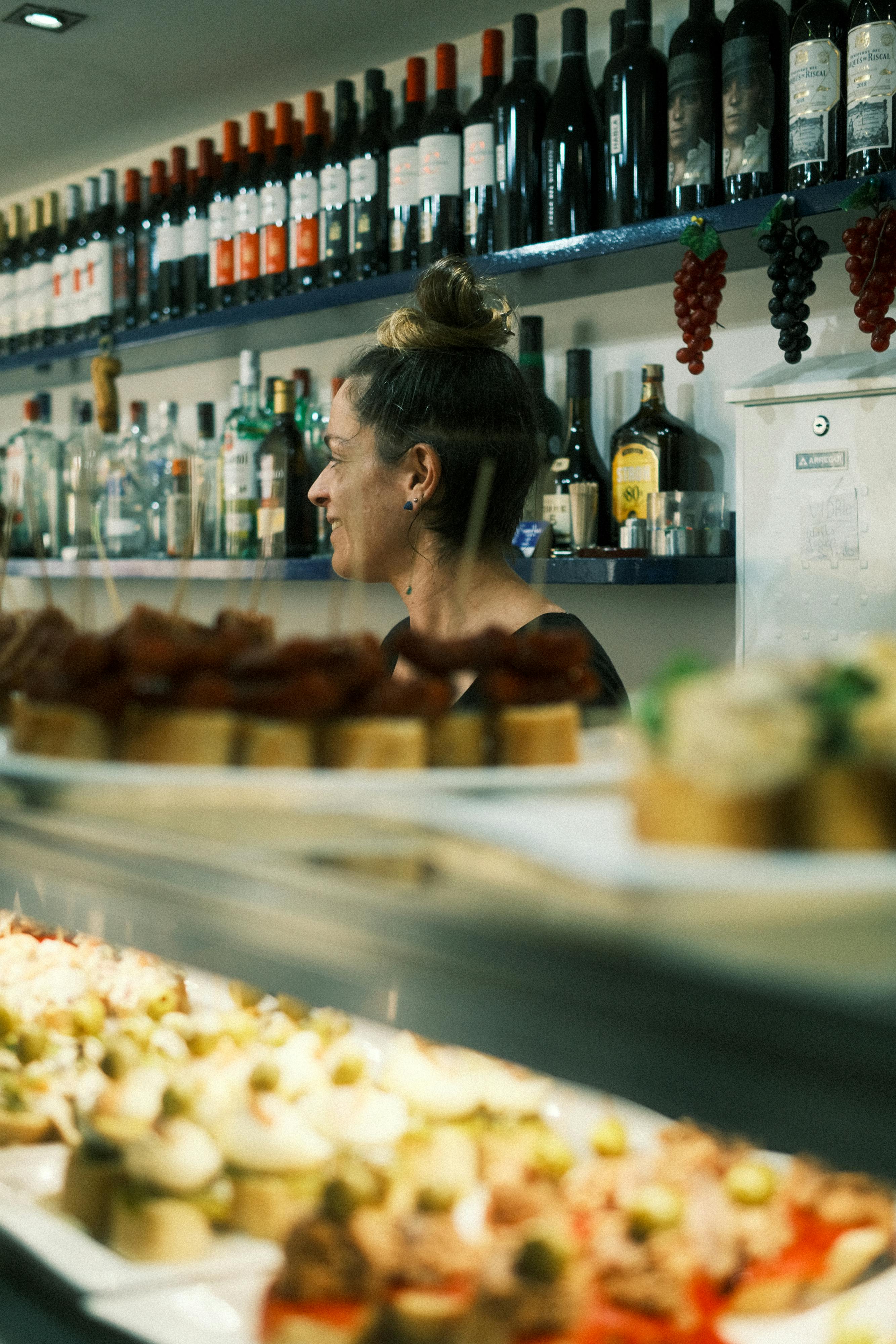
Photograph: Ana Lourenco (Pexels)
Why Murcia Works So Well for Food and Wine Experiences
Murcia is a particularly good region for food and wine experiences because its culinary identity is rooted in everyday life rather than performance. The city has proper market culture, old tapas bars, family-run restaurants, traditional bakeries and easy access to wider regional landscapes, from inland vineyards to the coast. It is not a place where food feels detached from its surroundings. What you eat often tells you something about the land, the climate and the way people here have cooked for generations.
The region is especially known for the quality of its produce. Murcia’s market-garden landscape gives the cooking a strong vegetable-led character, while the surrounding coast brings seafood into the picture. Traditional dishes such as zarangollo, marinera, michirones, arroz al caldero and paparajotes all speak to a different part of the region’s food story, from humble bar snacks to rice dishes, orchard produce and sweet fritters wrapped around lemon leaves. For a deeper look at the dishes to know before you go, see the guide to what to eat in Murcia.
The official Region of Murcia tourism site also has a useful food and drink overview, which is a good starting point for understanding how wine, produce, rice dishes and regional cooking fit into the wider visitor experience.
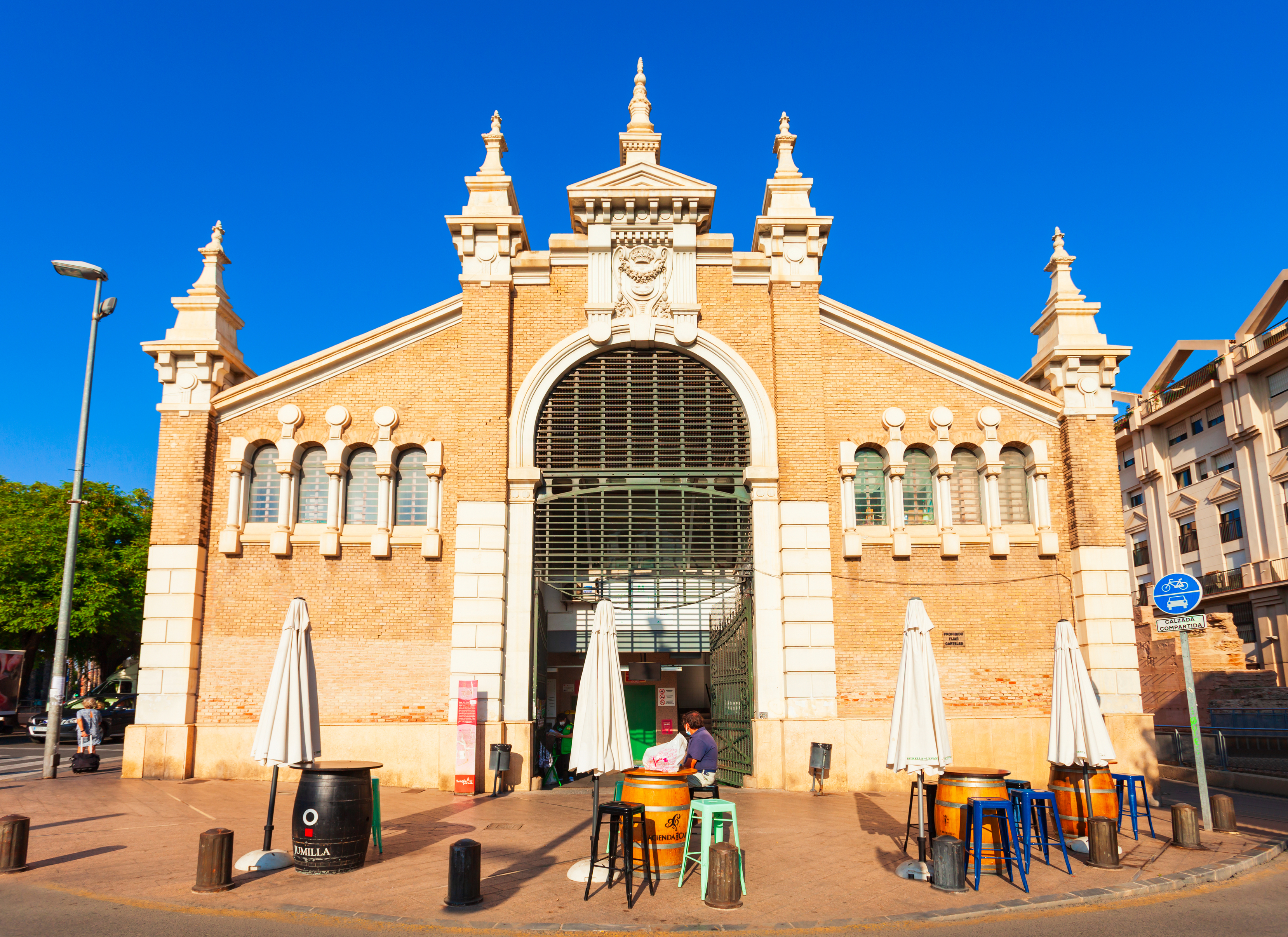
Photograph: Saiko3p (Dreamstime)
Wine is another major reason to build time into your trip for a guided tasting or day excursion. The Region of Murcia has established wine routes around Bullas, Jumilla and Yecla, all of which give visitors a way to explore local wineries, landscapes and Monastrell-led wines beyond the city itself. The official Region of Murcia tourism site has a useful overview of the area’s wine tourism routes, which is a good starting point if you want to understand how the main wine areas fit together.
For a first visit, the appeal is not that you need to book every possible experience. It is that even one well-chosen food tour, tasting or vineyard visit can give shape to the rest of your time in the region. A guided experience can help you understand what to order, which wines to look for, how Murcia’s food differs from better-known Spanish regions, and why the city rewards travellers who move at a slower pace.
Where to Base Yourself for Food and Wine Experiences in Murcia
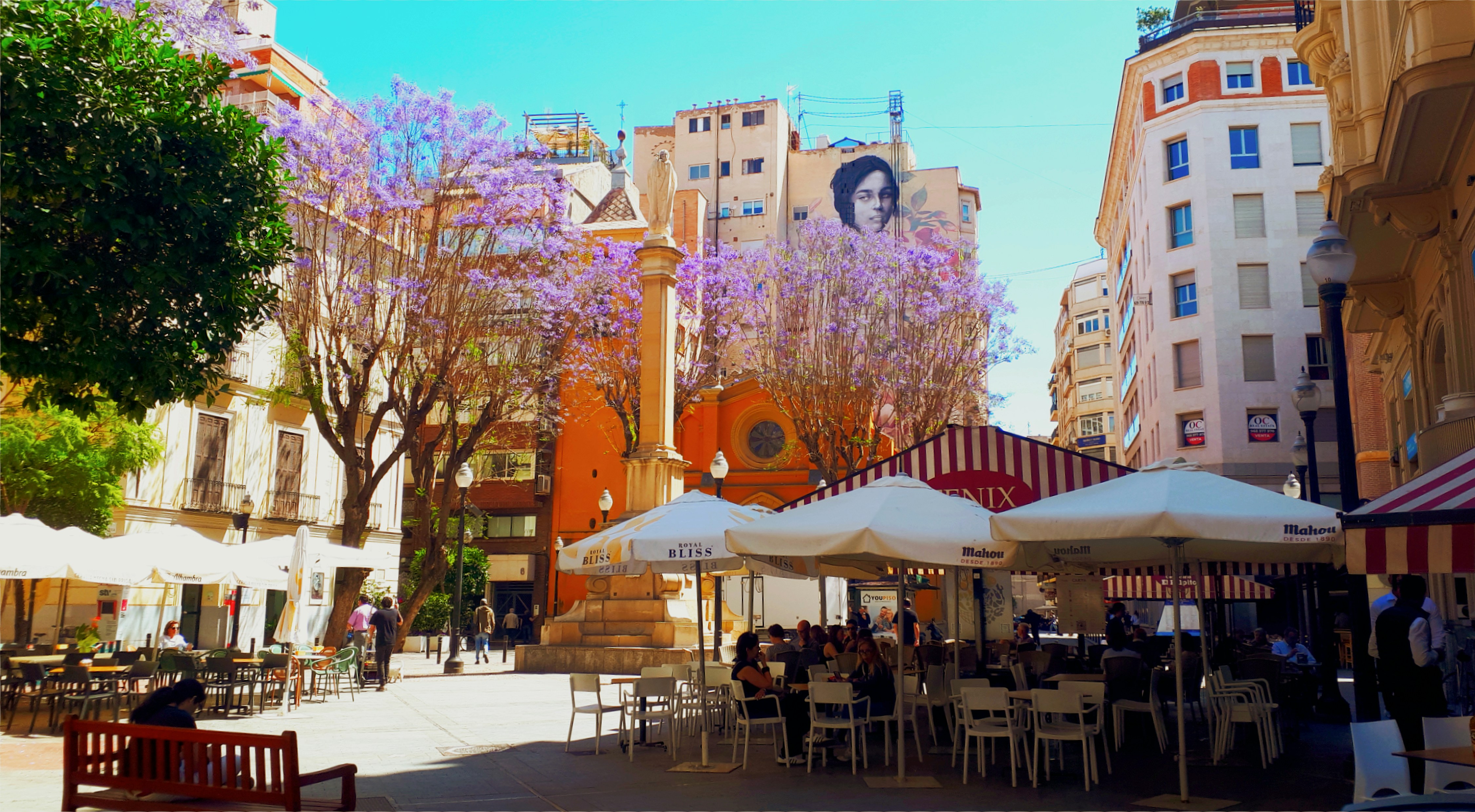
For most travellers, Murcia city is the easiest and most practical base for a food and wine trip. Staying centrally keeps you close to tapas bars, restaurants, markets, bakeries and evening life, while still allowing you to take day trips into the surrounding region. If this is your first visit, it is usually better to sleep in the city and travel out for wine experiences, rather than staying in a smaller wine town and missing the atmosphere of Murcia itself.
The historic centre is the most convenient choice if you want to walk to restaurants, cafés, plazas and cultural sights. It works especially well for a short break built around food, wine and slow city exploring. You can spend the day dipping into churches, museums, markets and shaded streets, then move easily into tapas, vermouth or dinner without relying too heavily on taxis.
Photograph: Joanna Hall (Unsplash)
If wine tourism is the main focus of your trip, you may want to think a little more carefully about transport. Bullas, Jumilla and Yecla are all better treated as regional excursions rather than casual stroll-out-from-the-hotel options. A guided wine tour or organised tasting can be the simplest option if you want to enjoy the wine properly without worrying about driving. If you are hiring a car, it may be worth pairing a winery visit with a wider day trip, but the usual common-sense rule applies: do not plan to drive after a proper tasting.
For help choosing the right neighbourhood or hotel base, see the guide to where to stay in Murcia. If you are building this into a longer city break, the wider 3 days in Murcia itinerary will help you place food and wine experiences around sightseeing, markets, slow lunches and time to simply enjoy the city.
Wine Tastings and Vineyard Visits Near Murcia
Wine is one of the strongest reasons to look beyond Murcia city for a day. While the city itself gives you tapas bars, markets and restaurants, the surrounding region brings vineyards, small bodegas, wine museums, rural landscapes and the chance to understand how deeply wine sits within Murcia’s wider food culture.

Photograph: Edusoft (Pixabay)
The three names to know are Bullas, Jumilla and Yecla. Each has its own character, but for most visitors the practical question is less about covering every wine area and more about choosing one experience that fits the pace of your trip. If you are in Murcia for a short break, one well-planned winery visit is usually enough. If wine is the main focus of your itinerary, you could build a full day around Bullas or Yecla and leave space for a slower lunch, a tasting and time in the surrounding countryside.
For current bookable options, you can browse Murcia wine tastings and food experiences, then choose according to location, duration and how much of the day you want to give over to wine country.
Choose Bullas for Wine, Tapas and Local Produce
Bullas is one of the most natural choices for a wine-led excursion from Murcia. It has the advantage of feeling clearly connected to the region’s wine culture, while also offering experiences that bring local food into the tasting rather than treating wine as something separate from the table.
One strong option is this wine tasting with local tapas at a bodega in Bullas. The experience includes a guided winery visit, a tasting of four Bullas wines, and pairings with local products such as sourdough bread, extra virgin olive oil, regional cheeses, Chato Murciano cured meats, organic mountain honey and honey wine.
This is the kind of tasting that works particularly well for food-focused travellers because the pairings give you a broader sense of Murcia’s rural produce. Rather than simply tasting wine in isolation, you get a more rounded introduction to the flavours that sit around it.

Photograph: Zachary Brown (Unsplash)
Look to Yecla for Organic Vineyards and Monastrell
Yecla is another strong choice if you want a proper vineyard experience. It works especially well for travellers interested in organic wines, Monastrell and the landscape of inland Murcia. A visit here feels more countryside-led than city-adjacent, so it suits travellers who are happy to give over a larger part of the day to wine, scenery and slow travel.
One useful option is this vineyard and winery tour with wine tasting at Casa Boquera in Yecla. The experience includes a walk through organic vineyards, a visit to the winery and a tasting of three organic wines, including Monastrell reds and a white blend, paired with local produce such as cured ham and cheese.
This would suit travellers looking for the classic wine-country shape: vineyard walk, winery context, guided tasting and regional flavours in one manageable experience.
Consider a Seasonal Harvest Experience in Yecla
If your visit lines up with the grape harvest, a seasonal vineyard experience can be one of the most memorable ways to understand Murcia’s wine culture. These experiences are not available in the same way all year round, so they are best treated as a special timing-dependent opportunity rather than a standard day trip.
One particularly immersive option is the Perfect Harvest Experience at Casa Boquera in Yecla, a seasonal day built around hand-harvesting grapes, grape selection, a traditional paella lunch, organic wine tastings, grape stomping and dinner at the estate.
This is a much fuller countryside experience than a standard tasting, and would suit travellers who want to spend a slower day connecting with the land, the vines and the rhythm of the harvest. Because experiences like this are seasonal and limited, check the date, duration and transport arrangements carefully before planning the rest of your Murcia itinerary around it.

Photograph: Roberto (Adobe Stock)
Choose a Smaller Bodega Tour for a More Relaxed Introduction
If you like the idea of wine tasting but do not want a full countryside day, a smaller bodega visit can be a useful middle ground. This kind of experience suits travellers who are wine-curious rather than deeply technical, and who want an introduction that feels relaxed, social and easy to fit around a wider itinerary.
One option is this tour of Bodega Diecinueve Añadas with wine tasting, which includes a visit to a small winery, its museum and a guided tasting. It sounds particularly well suited to travellers who want a conversational introduction to Murcia’s wine culture rather than a more formal tasting.
Explore Murcia’s Food Landscapes: Rice, Honey and Rural Produce
Some of Murcia’s most interesting food experiences are not conventional tastings at all. They are experiences that help you understand the landscape behind the ingredients: rice fields, rural farms, honey, olive oil, bread and the wider agricultural character of the region.
Walk Through Murcia’s Rice Landscape in Calasparra
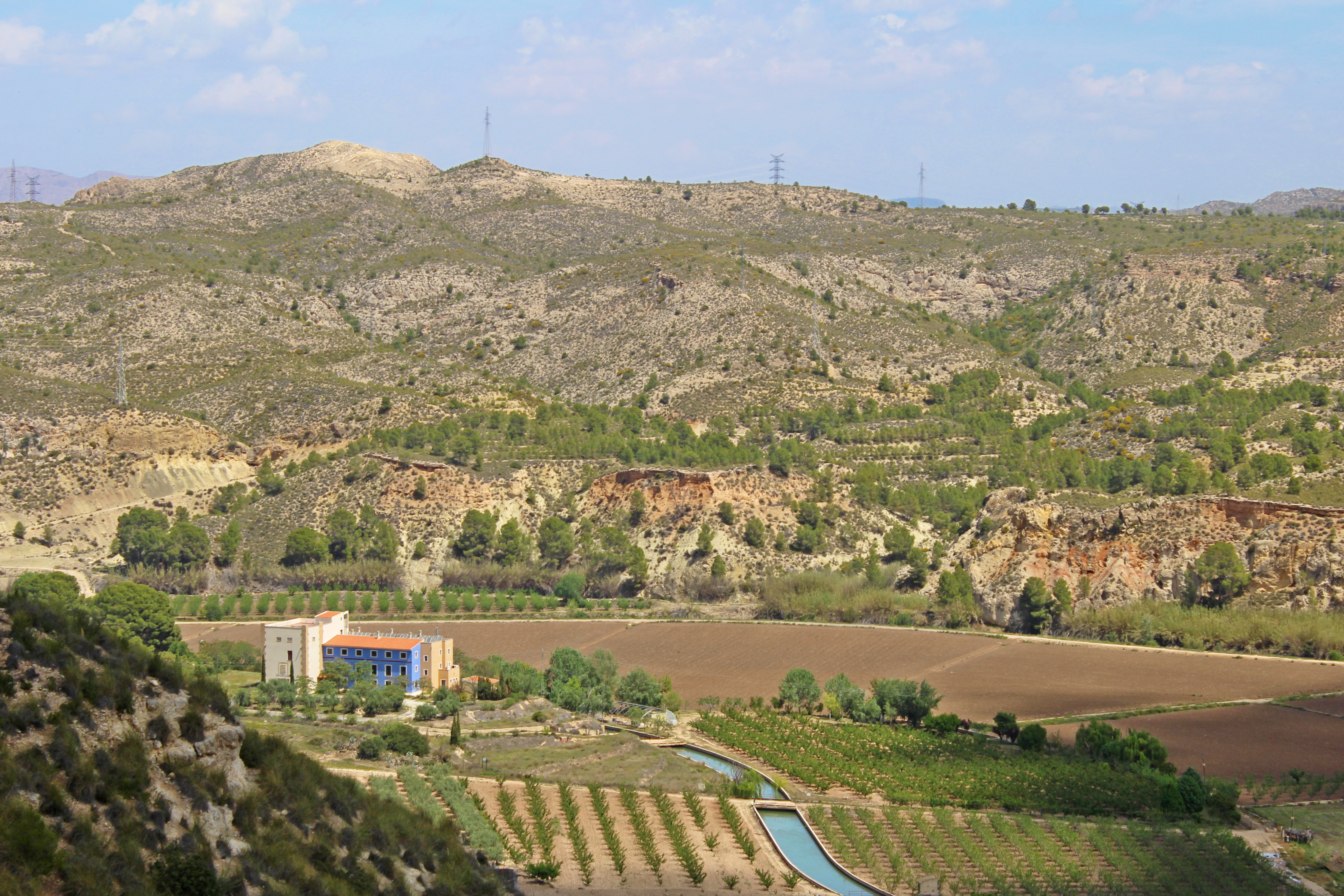
For travellers interested in the landscape behind Murcia’s food culture, Calasparra is worth paying attention to. The area is closely associated with rice, and a route through the rice fields gives a very different perspective on the region’s culinary identity from a tapas bar or winery.
Photograph: Bentor (Adobe Stock)
One option is this Calasparra rice route along the Bayo Trail, a circular route between rice fields and the Segura River that introduces the local landscape and rice-growing tradition.
The official Region of Murcia tourism site notes Calasparra rice among the area’s guarantee of origin products, which helps explain why rice is such an important part of the region’s food identity.
This is less of a conventional tasting experience and more of a food-led walk, so it would suit slow travellers, walkers and anyone interested in how Murcia’s ingredients are shaped by place.
Go Beyond Wine with a Rural Honey and Farm Experience
Not every food and wine experience in Murcia needs to revolve around a traditional tasting room. Some of the most memorable excursions are the ones that take you into the region’s countryside and show how food, agriculture and landscape connect.
One interesting example is the honey experience at Guatazales farm in Bullas, where visitors can learn about beekeeping, visit the apiary and honey workroom, and taste honey alongside olive oil, bread and honey wine. It is a particularly appealing option if you want a slower, more rural experience that still connects clearly to the flavours of the region.

Photograph: Steven Oehlenschlager (Dreamstime)
Coastal Food and Wine Experiences in Cartagena and Beyond
Not all food and wine experiences in the Region of Murcia take place inland. If your trip includes Cartagena, Puerto de Mazarrón or the Mediterranean coast, you can add a more coastal dimension to the itinerary, combining tapas, Roman history, sailing, sea air and regional wines.
Pair Cartagena Tapas with the Roman Theatre
If your Murcia trip includes a day in Cartagena, a food-led walking tour can be a useful way to combine local flavour with the city’s layered history. Cartagena has a very different atmosphere from Murcia city, with its port, Roman heritage and Mediterranean setting, so it works well as a coastal contrast within a wider food and wine itinerary.
One particularly useful option is this Cartagena tapas walking tour with the Roman Theatre, which combines local tapas and drinks with a visit to one of the city’s most important historic sites.

Photograph: E Vos (Unsplash)
This would suit travellers who want a rounded Cartagena day rather than a standalone food tasting. It is especially useful if you are short on time and want food, history and orientation woven into one experience.
Add a Cartagena Tapas Walk to a Coastal Day Trip
If you want a simpler food-led option in Cartagena, this guided walking tour in Cartagena with tapas and drinks combines a city walk with three tapa tastings and three drinks. It would suit travellers who want a light food experience rather than a full vineyard day or tasting-room visit.
This is best treated as part of a Cartagena day out rather than a reason to leave Murcia on its own. Pair it with the city’s Roman theatre, harbourfront and old town for a more rounded coastal excursion.

Photograph: Joanna Hall (Unsplash)
Add a Coastal Wine Experience in Cartagena
For something more unusual, a Mediterranean wine tasting can bring a very different feel to the region’s wine story. One of the most distinctive options is the on-board catamaran tasting with Bodegas Undersea in Cartagena.
The experience combines a two-hour sailing trip with a guided comparative tasting of land-aged and undersea-aged wines, including bottles aged 33 metres beneath the sea. The wines are paired with selected products from the Region of Murcia, which makes it feel more like a regional tasting experience than a simple boat trip with drinks.
This would suit travellers who are already planning time in Cartagena, couples looking for a more memorable experience, or anyone interested in a wine tasting that feels distinctly Mediterranean. It is less useful if you are only staying in Murcia city for a short break, unless you are happy to build a separate coastal day around it.

Photograph: Joanna Hall (Unsplash)
Try an Undersea-Aged Wine Tasting on the Coast
If you are spending time around Puerto de Mazarrón, this undersea-aged wine tasting in Puerto de Mazarrón is a shorter coastal option, with a guided comparative tasting and a gourmet pairing of regional products from Murcia.
The idea is not simply novelty: the tasting compares land-aged and undersea-aged wines, with guidance on how pressure, darkness and sea currents can affect aroma, structure and complexity. If you want the more scenic version, the related Cartagena catamaran tasting adds a two-hour sailing element, making it better suited to a special occasion or a more experience-led coastal day.
Beer, Tapas and Alternative Drink Experiences in Murcia
Wine may be the strongest food-and-drink hook in the Region of Murcia, but it is not the only option. If you are travelling with someone who prefers beer, or you want something more relaxed and sociable within easy reach of the city, a brewery visit can add a different flavour to the itinerary.
Try a Murcia Brewery Visit with Tapas
One option is this Murcia brewery visit with beer tasting, tapas and transfer, which includes a guided look at the brewery, fermentation and brewing areas, followed by a tasting of four beers with selected tapas.
This would suit beer lovers, groups, or anyone who wants a drink-led experience without committing to a vineyard excursion outside the city.
FAQs About Food and Wine Experiences in Murcia
Is Murcia good for food and wine lovers?
Yes. Murcia is an excellent region for food and wine lovers, especially if you enjoy places where food still feels closely connected to local produce, markets and regional tradition. The city is strong for tapas, rice dishes, pastries and market-led eating, while the wider Region of Murcia offers wine areas such as Bullas, Jumilla and Yecla.
What are the best wine regions to visit near Murcia?
The main wine areas to know near Murcia are Bullas, Jumilla and Yecla. Bullas works well for wine tastings paired with local produce, while Yecla is especially interesting for Monastrell, organic vineyards and countryside winery visits. Jumilla is another important name in Murcia wine, particularly for travellers who want to explore the region’s Monastrell-led wine culture more deeply.
Can you do a wine tasting from Murcia city?
Yes, but most proper vineyard and bodega experiences are better treated as regional excursions rather than quick city-centre activities. Murcia city makes the most practical base, but wine experiences in Bullas, Jumilla or Yecla usually require planning around transport, timings and tasting arrangements.
Do you need a car for food and wine experiences in Murcia?
You do not necessarily need a car if you are focusing on Murcia city, tapas bars, markets and organised tours. For vineyard visits, rural food experiences and rice-field routes, transport needs more thought. A guided experience, transfer-inclusive tour or organised tasting can be easier if you want to enjoy wine without worrying about driving.
What food is Murcia known for?
Murcia is known for dishes and produce that reflect its market-garden landscape, coastal access and regional traditions. Look out for marinera, zarangollo, michirones, arroz al caldero, pastel de carne and paparajotes. The region is also strong for vegetables, rice, seafood, olive oil, honey and Monastrell wines.
Are Murcia food and wine experiences suitable for a short break?
Yes, but it is best to be selective. For a two- or three-day Murcia trip, choose one food-led city experience and, if time allows, one wine-country or rural excursion. Trying to fit in too many tastings, tours and day trips can make the itinerary feel rushed, which works against Murcia’s slower, food-led appeal.
Is Cartagena worth including in a Murcia food and wine itinerary?
Cartagena is worth including if you have enough time for a coastal day trip. It adds Roman history, harbour views, Mediterranean atmosphere and food-led walking tours to the itinerary. It is especially useful if you want to balance Murcia city with a coastal experience, but it may be too much for a very short stay unless Cartagena is already a priority.
When is the best time for wine experiences in Murcia?
Spring and autumn are especially appealing for food and wine travel in Murcia because the weather is generally easier for walking, markets and countryside excursions. Harvest experiences are seasonal and usually depend on vineyard timings, so check dates carefully if you want to plan around grape picking, harvest lunches or special winery events.

Photograph: XT7 Core (Unsplash)
Final Thoughts: How to Plan a Food and Wine Trip in Murcia
The best food and wine experiences in Murcia are the ones that help you understand the region more deeply, not just fill another gap in the itinerary. A tapas walk can give you the confidence to order better for the rest of the trip. A vineyard visit can show how Monastrell, Bullas, Yecla and the wider wine landscape fit into the region’s identity. A rice-field walk, honey farm visit or coastal tasting can reveal the agricultural and Mediterranean sides of Murcia that are easy to miss if you only stay in the city centre.
For a short break, I would choose one city-based food experience and one wider regional excursion, rather than trying to do everything. Base yourself in Murcia city, leave time for proper meals and unplanned wandering, then add one wine-country or coastal experience that genuinely suits the shape of your trip.
If food is the reason you travel, Murcia rewards curiosity. Come for the tapas, stay for the wines, and leave room for the less obvious experiences too: the rice fields, the honey, the olive oil, the sea-aged wines and the slow lunches that tell you as much about the region as any landmark.
Plan the rest of your time in Murcia
If you are using this food and wine guide to shape a wider trip, start with the main 3 days in Murcia itinerary, which brings together food, culture, markets, neighbourhood exploring and a slower way to experience the city. For a deeper look at the dishes, tapas and local flavours to know before you go, see the guide to what to eat in Murcia.
Choosing the right base will also make food and wine planning much easier, especially if you want to combine Murcia city with vineyard visits, countryside excursions or a day in Cartagena. For neighbourhood guidance, hotel areas and practical trip-planning advice, see where to stay in Murcia.
For practical planning, continue with the guide to day trips from Murcia and the seasonal Murcia festivals and cultural calendar. For useful travel pieces that work across city days, vineyard visits and coastal excursions, see the curated Culinary Travels packing and planning edit.
Stay in Touch
Culinary Travels publishes destination guides, seasonal recipes, and food-led travel features from the UK and beyond.
Follow for new articles and updated travel resources:
Facebook | Instagram | Pinterest
Newsletter
Receive new guides, recipes, and occasional travel planning notes by email: Subscribe here
Reader feedback and local recommendations are always welcome via the contact page.


©2026 Culinary Travels. Culinary Travels is written and edited by Georgina Ingham | Website designed by The Smarter Web Company
What Our Followers Say
"A highly complimentary article ... showcasing why the English Market remains one of Ireland's premier food destinations"
Cork City Council via Facebook
"Our list of things to do in Cork has just expanded hugely thanks to Culinary Travels."
Triskel Art Centre Cork, via Twitter
“Tried this last night and it was delicious!”
Reader feedback via Pinterest, Yangzhou Fried Rice Recipe
"Oh yum!!! I could eat one or two right now!"
Sami Tamimi, via Instagram, on Ma’amoul Cookies
"Georgina was great to work with, quick to respond, and is a excellent content writer - would highly recommend"
Nick S - Get Blogged
“A simple no-knead dough transformed into beautiful, rustic rolls.”
Reader feedback via Pinterest, No-Knead Ciabatta Rolls Recipe