
Blog


Lemon and Herb Roast Chicken
Some posts on Culinary Travels may contain affiliate links, meaning I may earn a small commission at no extra cost to you. I only recommend products, places and experiences that fit the editorial tone and standards of the site.
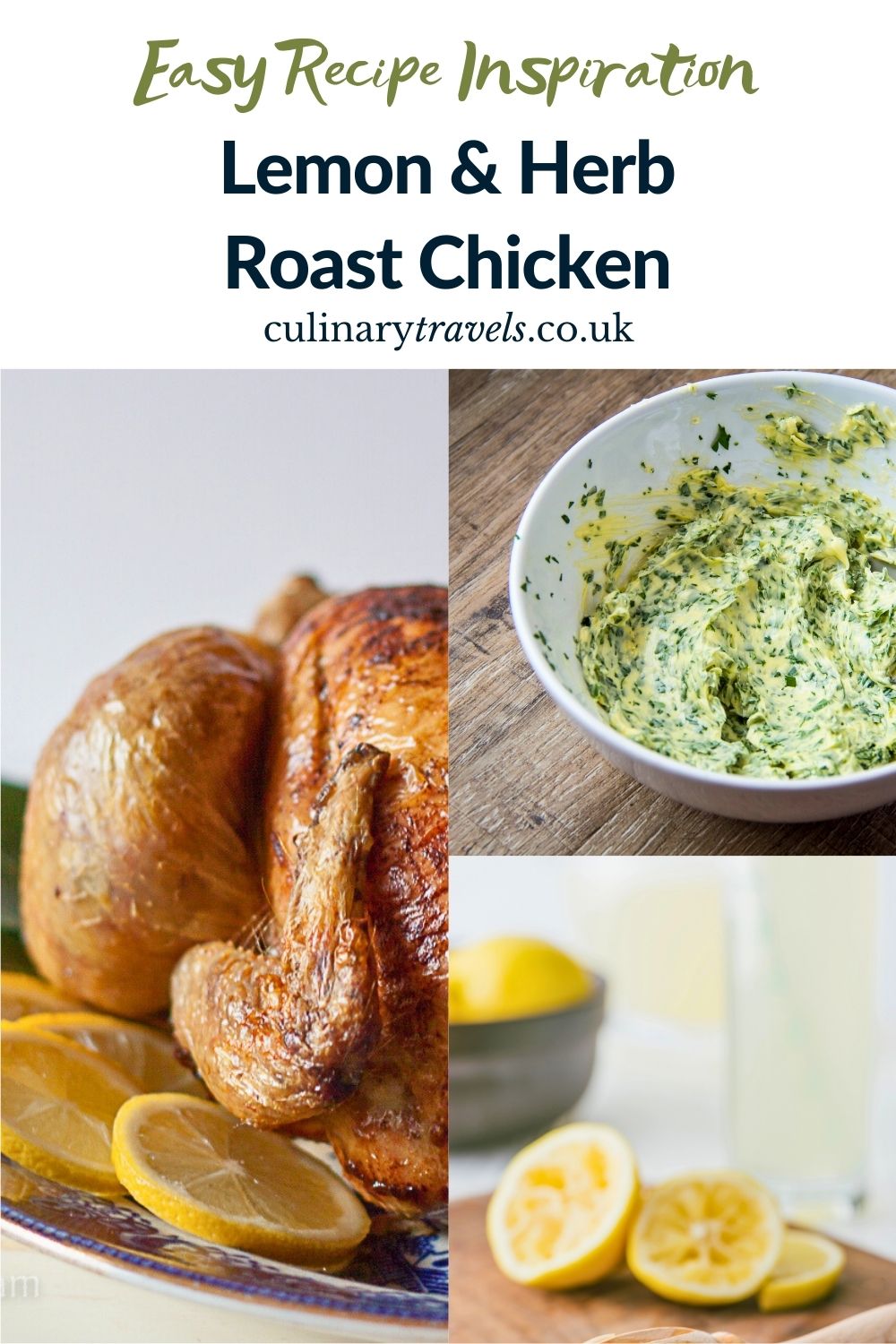
There are roast chickens you cook because they are sensible, and there are roast chickens you cook because they make the whole house smell wonderful and remind everyone why comfort food matters. This lemon and herb roast chicken belongs firmly in the second camp. With butter worked under the skin, bay leaves and garlic tucked into the cavity, and a simple gravy made from the roasting juices, it is rich, fragrant and deeply satisfying. Served with all the trimmings, it makes a glorious Sunday lunch, though the leftovers are just as good served more simply with salad or seasonal vegetables.
A note on the butter: This is a generously buttered roast chicken, which helps keep the meat succulent and richly flavoured. For a lighter gravy, simply skim off some of the excess fat from the roasting tin before deglazing.
Why you’ll love this recipe
This lemon and herb roast chicken is all about deep, comforting flavour. Butter worked under the skin keeps the meat succulent as it cooks, while lemon, bay, garlic and peppercorns perfume the bird from within, creating that unmistakable roast chicken scent that makes the whole kitchen feel inviting.
It is also a wonderfully versatile recipe. Serve it as the centrepiece of a full Sunday lunch with gravy and all the trimmings, or carve it more simply with salad or seasonal vegetables for an easier meal. The leftovers are just as useful, whether folded into a curry, added to a lunch salad or saved for another day.
Best of all, the gravy comes almost effortlessly. Once the chicken has roasted, the buttery pan juices and caramelised bits in the tin do most of the heavy lifting, giving you a rich, savoury sauce with very little extra work.
How to know when roast chicken is cooked
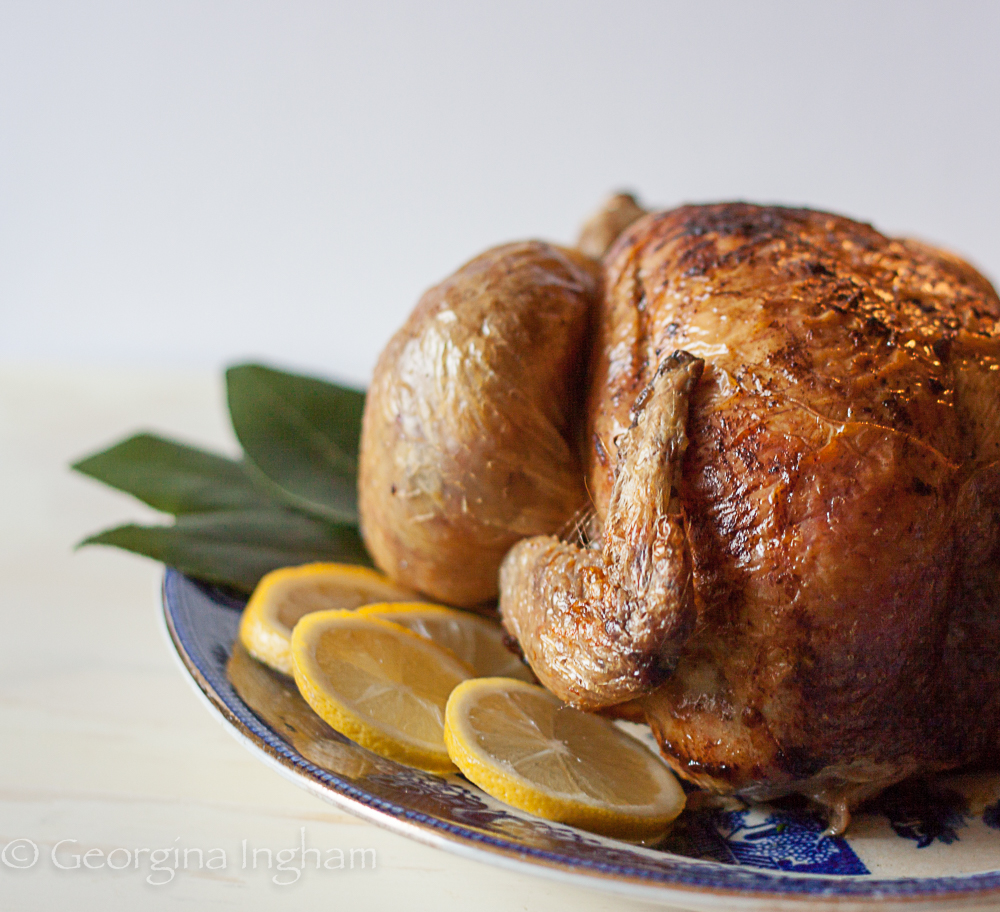
A good roast chicken should be deeply golden, fragrant and sizzling, but colour alone is never the full story. The safest way to check that it is properly cooked is to test the thickest part of the bird, at the leg where the thigh meets the breast.
When pierced with a clean skewer or knife, the juices should run clear, not pink. The meat should look opaque rather than rosy, and it should be steaming hot all the way through. This is in line with Food Standards Agency guidance for cooking poultry safely.
If you prefer the reassurance of a thermometer, the internal temperature should reach 75°C at the thickest part of the meat. Once cooked, let the chicken rest before carving so the juices can settle back into the bird.
Serving suggestions
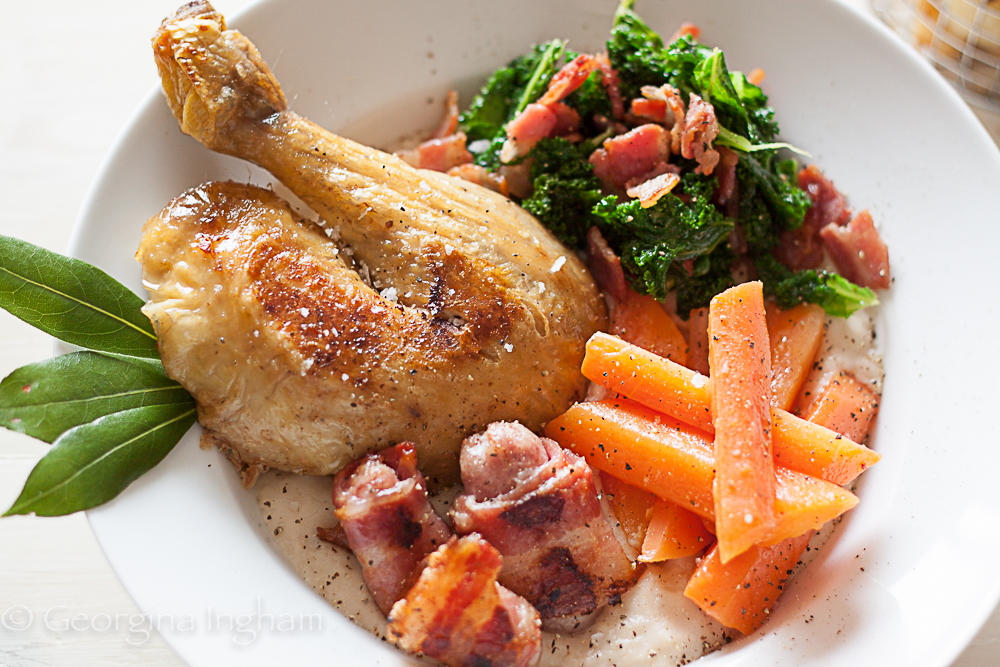
This lemon and herb roast chicken earns its place at the centre of a proper Sunday lunch. Serve it with crisp roast potatoes, bread sauce, butter-braised carrots and greens for the kind of meal that feels quietly celebratory, whether it is a family gathering or simply a slow afternoon dinner at home.
It is also a wonderfully flexible roast. In colder months, I would lean fully into the comforts of gravy, golden roast potatoes and rich trimmings. In warmer weather, the same chicken can be carved more simply and served with a ratatouille of seasonal vegetables, a sharply dressed salad and a spoonful of pesto or citrussy ladolemono on the side.
One of the very best ways to serve it, though, is as a hot chicken sandwich eaten immediately rather than packed up for later. Tuck the warm chicken into a crisp baguette or soft slices of farmhouse loaf with peppery rocket, thinly sliced tomatoes and scallions, then finish with mayonnaise or, better still, homemade aioli. It is the sort of sandwich that really wants to be eaten in the sunshine, slightly greedily, with napkins to hand and no great concern for dignity.
If you are building a full roast, it pairs particularly well with Perfect Roast Potatoes, Bread Sauce, Maple Glazed Butter Steeped Carrots and Kale with Crispy Bacon. For a broader guide to flavour and herb pairings, you can also read Cooking With Herbs: Comfort Food, Mediterranean Flavours & Simple Recipes.
Leftovers and storage
Leftover roast chicken is one of the great rewards of cooking a whole bird in the first place. Once cooled and stored properly, it becomes the foundation for all sorts of easy meals, from packed lunches to quick suppers made from whatever else is waiting in the fridge.
Cold roast chicken makes excellent picnic food, especially tucked into sandwiches or packed alongside salads, chutneys and good bread, though it does need to be chilled promptly after cooking and kept properly cold until you are ready to eat it. Treated well, it turns a simple picnic into something far more substantial and satisfying.
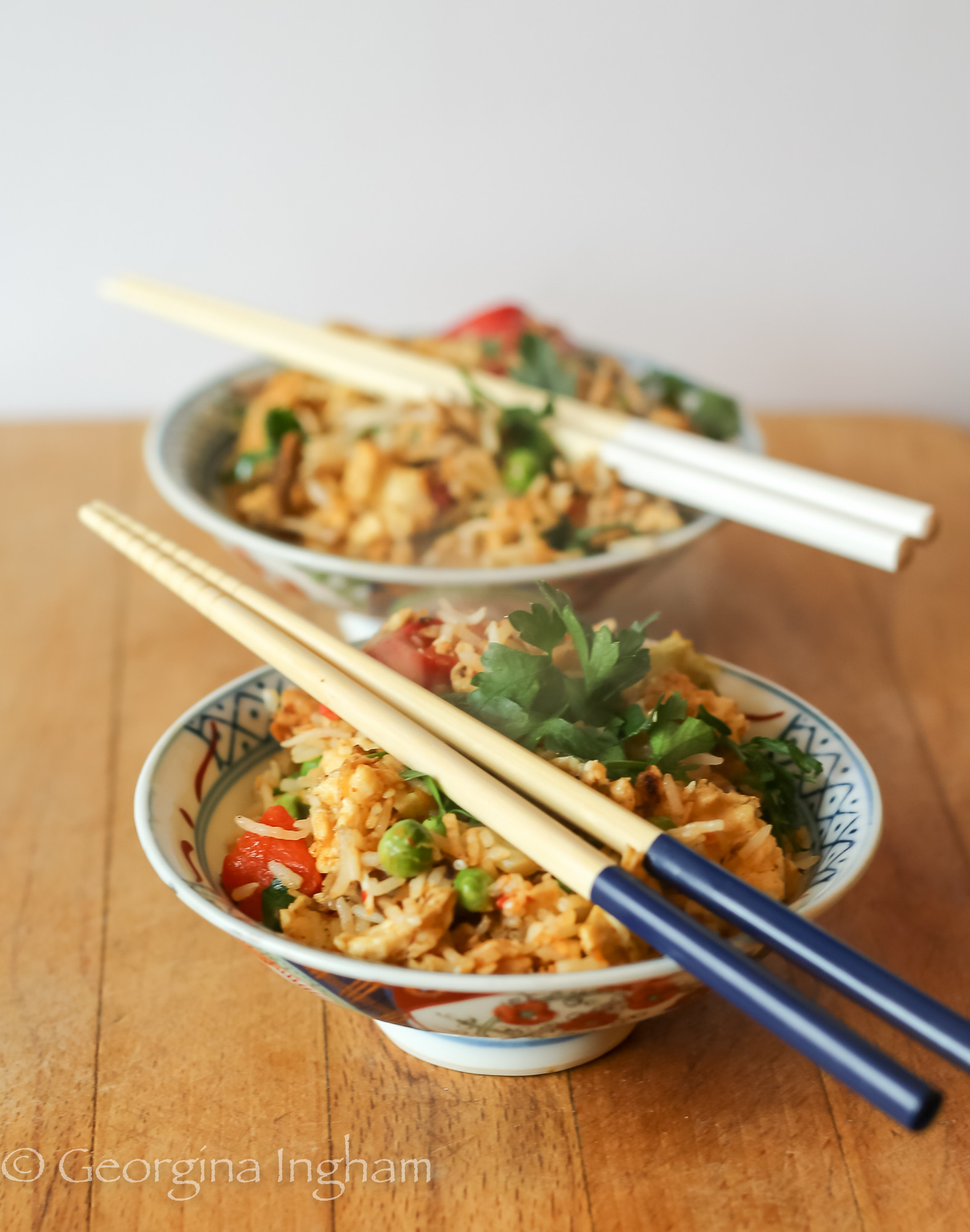
At home, the possibilities are broader still once the roast itself is over. The meat can be folded into a fragrant Thai curry, stirred through Yangzhou fried rice, or added to a golden, crisp-edged hash with potatoes and onions. It is also very good in bubble and squeak, particularly if there is bacon involved somewhere in the equation.
Any leftover meat should be stripped from the carcass once the chicken is cool, then stored in an airtight container in the fridge and eaten within a couple of days. If you know you will not use it quickly enough, it freezes well for another meal. The bones, meanwhile, are far too useful to waste and can be simmered into a deeply flavoured homemade stock for soups, sauces or risottos.
Recipe tips
Bringing the chicken closer to room temperature before roasting helps it cook more evenly, particularly around the thighs and breast. It need not sit out for hours, but taking the chill off makes a noticeable difference.
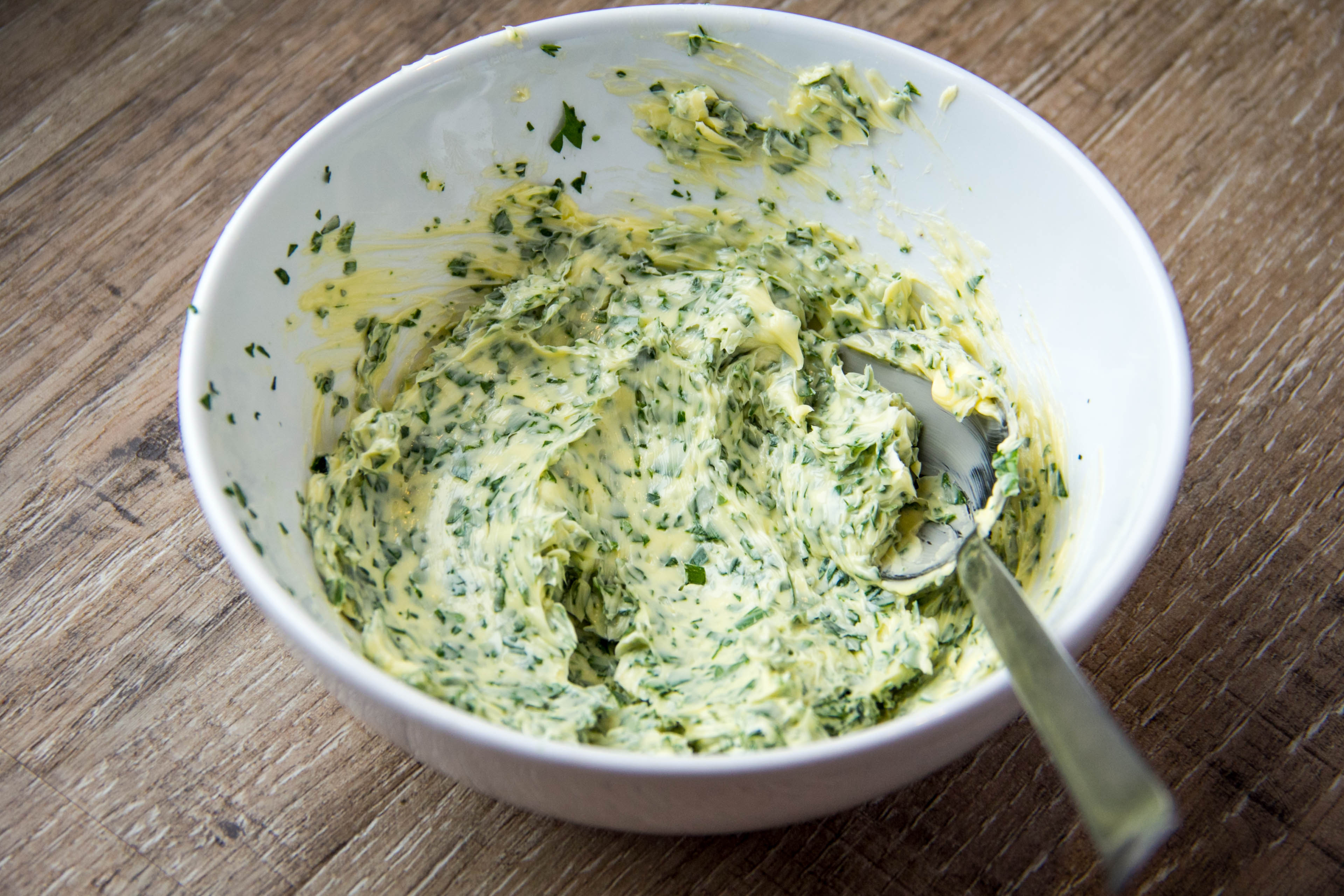
When loosening the skin to add the herb butter, do it gently with your fingers rather than rushing in with a spatula. You want to create a pocket over the breast without tearing the skin, so the butter stays where it will do the most good as the chicken roasts.
This is a generously buttered chicken, and that is part of its charm. The butter helps keep the meat succulent and gives the roasting juices plenty of flavour. If you would prefer a lighter gravy, simply spoon off some of the excess fat from the tin before deglazing.
Do not skip the basting. Spoon the buttery juices over the bird every so often as it cooks to help the skin colour evenly and keep everything richly flavoured.
Resting matters too. Giving the chicken a good twenty minutes before carving allows the juices to settle back into the meat, making it easier to carve and much more satisfying to eat.
If you have one, a meat thermometer is always useful for peace of mind. Otherwise, check the thickest part of the leg carefully and make sure the juices run clear before serving.
Frequently Asked Questions
How long does a 1.5kg chicken take to roast?
A 1.5kg chicken will usually take around 1 hour 30 minutes at 220°C / 200°C fan / Gas Mark 7, followed by 20 minutes of resting time. Always check that the chicken is properly cooked before serving, as exact timings can vary slightly depending on your oven.
How do I get roast chicken skin really crisp?
Crisp skin comes down to a few simple things: make sure the skin is as dry as possible before roasting, rub it with oil and salt, and roast the chicken at a high enough temperature to encourage good colour. Basting helps with flavour, but too much liquid sitting on the skin can soften it, so it is best done at intervals rather than constantly. Roasting the chicken uncovered is also important.
Can I use fresh herbs instead of dried?
Yes, though the flavour will be slightly different. Fresh herbs such as thyme, parsley or oregano can be tucked into the cavity or mixed into the butter, while dried herbs tend to give a deeper, more concentrated flavour during roasting. Bay leaves can be used fresh or dried.
What can I use instead of white wine in the gravy?
If you prefer not to use white wine, simply deglaze the tin with a little extra chicken stock instead. The roasted lemon from the cavity can then be squeezed into the gravy for a gentle citrus lift, adding brightness and a subtle sweet tang. Thicken as usual with a little cornflour or gravy granules.
How should I store leftover roast chicken?
Once the chicken has cooled, strip any remaining meat from the carcass and store it in an airtight container in the fridge. It is best eaten within a couple of days. If you do not plan to use it quickly, it freezes well for later. The carcass can also be used to make homemade stock.
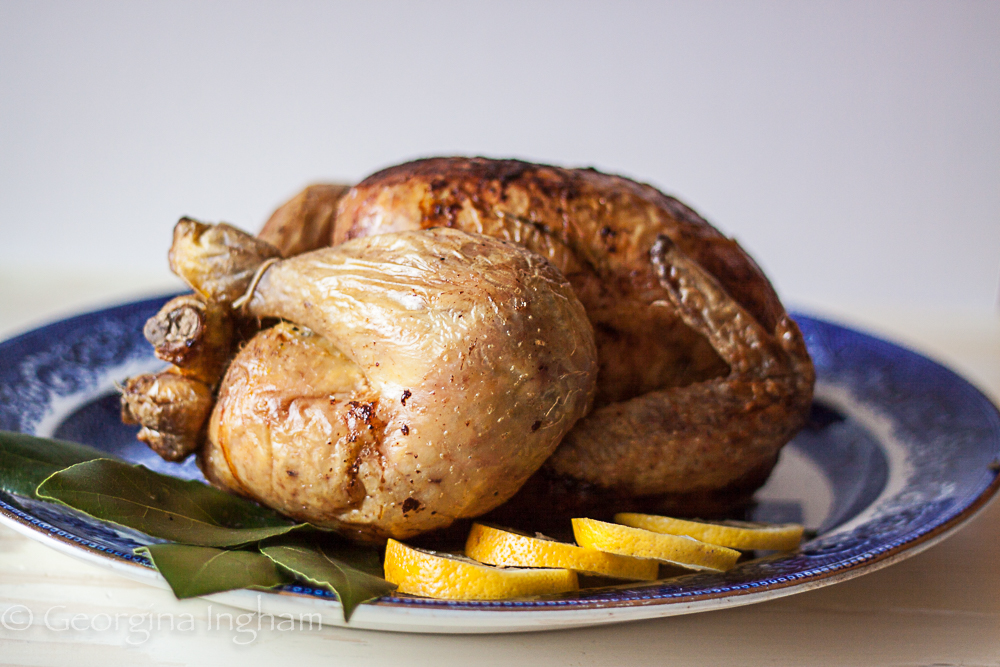
Lemon and Herb Roast Chicken with Gravy
There are roast chickens you cook because they are practical, and there are roast chickens you cook because they make the whole kitchen smell wonderful and remind everyone why comfort food matters. This lemon and herb roast chicken belongs firmly in the second camp. With butter worked under the skin, bay leaves and garlic tucked into the cavity, and a simple gravy made from the roasting juices, it is rich, fragrant and deeply satisfying.
Prep time: 15 minutes
Cook time: 1 hour 30 minutes
Resting time: 20 minutes
Total time: 2 hours 5 minutes
Serves: 4 to 6
Ingredients
For the chicken
1.5 kg whole chicken
1 lemon, zested, then quartered
3 dried bay leaves
1 teaspoon mixed herbs
3 garlic cloves
1 teaspoon black peppercorns, lightly bruised
1 tablespoon Maldon salt
150 g butter, softened
2 tablespoons olive oil
For the gravy
100 ml white wine
200 ml chicken stock, preferably homemade
1 to 2 teaspoons cornflour mixed with a little cold water, or a small amount of gravy granules, to thicken
Method
1. Take the chicken out of the fridge in good time so it can come closer to room temperature before roasting. Preheat the oven to 220°C / 200°C fan / Gas Mark 7.
2. Remove any string or packaging from the chicken and place it in a roasting tin. Put the lemon, bay leaves, garlic cloves and lightly bruised black peppercorns into the cavity.
3. In a small bowl, stir the lemon zest and mixed herbs into the softened butter. Carefully loosen the skin over the breast with your fingers, taking care not to tear it, then push most of the herb butter underneath the skin. Rub any remaining butter over the outside of the bird if you wish.
4. Drizzle the olive oil over the skin and sprinkle the salt evenly over the chicken. Roast for around 1 hour 30 minutes, basting with the buttery juices every 30 minutes or so.
5. The chicken is cooked when the thickest part of the leg is pierced and the juices run clear rather than pink. If using a thermometer, the internal temperature should reach 75°C.
6. Remove the chicken from the oven and let it rest in the tin for 20 minutes before transferring it to a carving board.
To make the gravy
1. Once the chicken has been lifted from the tin to rest, place the roasting tin over a low heat on the hob if suitable, or carefully pour the juices into a saucepan.
2. Add the white wine and let it bubble gently, scraping up any caramelised bits from the bottom of the tin.
3. Strain the liquid through a sieve into a clean pan, then add the chicken stock.
4. If you would prefer a lighter gravy, spoon off some of the excess fat before thickening. To thicken the gravy, either stir in a little cornflour mixed with cold water, or add a small amount of gravy granules, depending on how you like to make it.
5. Simmer gently until the gravy has thickened and reached your preferred consistency. If you like, squeeze in the softened roasted lemon from the cavity for a gentle citrus brightness and a slightly sweet tang.
6. Taste and adjust the seasoning if needed, then serve alongside the carved chicken.
Notes
This is a generously buttered roast chicken, which helps keep the meat succulent and full of flavour. If you would prefer a lighter finish, simply spoon off some of the excess buttery fat before making the gravy.
Serve as part of a full roast dinner with potatoes, bread sauce and vegetables, or carve more simply with salad or seasonal greens.
Cold leftovers are excellent in sandwiches, salads, curries and fried rice, while the carcass can be simmered into stock for future meals.
Final Thoughts
There is nothing especially complicated about this lemon and herb roast chicken, and that is part of its charm. Butter, bay, garlic and lemon do the heavy lifting, turning a simple bird into something fragrant, golden and deeply satisfying. Serve it as a full roast, tuck the leftovers into sandwiches, curries or fried rice, and let the whole thing remind you that comfort food rarely needs to shout.
Stay in Touch
Culinary Travels publishes destination guides, seasonal recipes, and food-led travel features from the UK and beyond.
Follow for new articles and updated travel resources:
Facebook | Instagram | Pinterest
Newsletter
Receive new guides, recipes, and occasional travel planning notes by email: Subscribe here
Reader feedback and local recommendations are always welcome via the contact page.

©2026 Culinary Travels. Culinary Travels is written and edited by Georgina Ingham | Website designed by The Smarter Web Company
What Our Followers Say
"Oh yum!!! I could eat one or two right now!"
Sami Tamimi
"Georgina was great to work with, quick to respond, and is an excellent content writer - would highly recommend collaborating with her!"
Nick S, Get Blogged
Our list of things to do in Cork has just expanded hugely thanks to Culinary Travels.
Triskel Art Centre Cork