
Articles


How to Make Porchetta: Slow-Roasted Italian Pork with Crispy Crackling
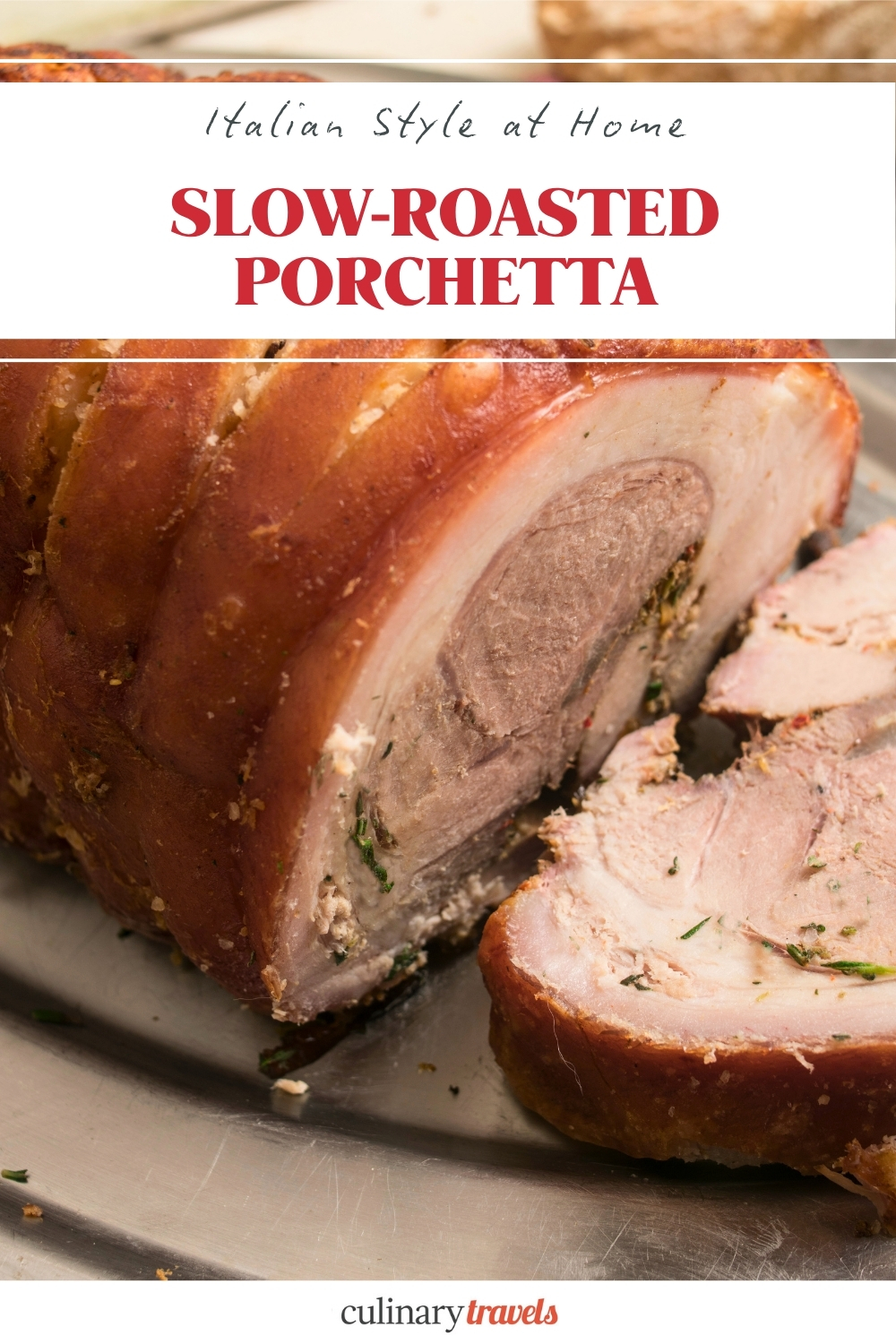
Porchetta was one of those foods I could not stop thinking about after I first tasted it in Italy.
We were in Assisi, wandering through quiet stone streets on a warm afternoon, when the smell found us before the stall did: slow-roasted pork, fennel, rosemary, garlic and woodsmoke drifting through the town. A few minutes later, I was holding a porchetta-stuffed roll, the bread slicked with good Umbrian olive oil, the pork tender in the middle and edged with crisp, golden crackling.
That was it. Instant devotion.
Some articles on Culinary Travels may contain affiliate links, meaning I may earn a small commission at no extra cost to you. I only recommend places, experiences and products that fit the editorial tone and standards of the site.
Update note: This recipe was originally published in June 2020 and has been fully updated in July 2026 with new recipe notes, photography, clearer cooking guidance and extra tips for getting crisp crackling at home.
Porchetta may sound like a grand Italian feast dish, and traditionally it often is, but this version is designed for a home kitchen. No whole pig, no wood-fired oven, no elaborate equipment. Just a good piece of pork belly or shoulder, plenty of herbs, patient roasting, and a final blast of heat to help the skin crackle.
The result is everything porchetta should be: juicy, aromatic pork rolled with fennel, rosemary, garlic and lemon, finished with crisp crackling and sliced thickly for sandwiches, Sunday lunch, picnics, leftovers, or the sort of kitchen-table feast that makes everyone hover near the carving board.
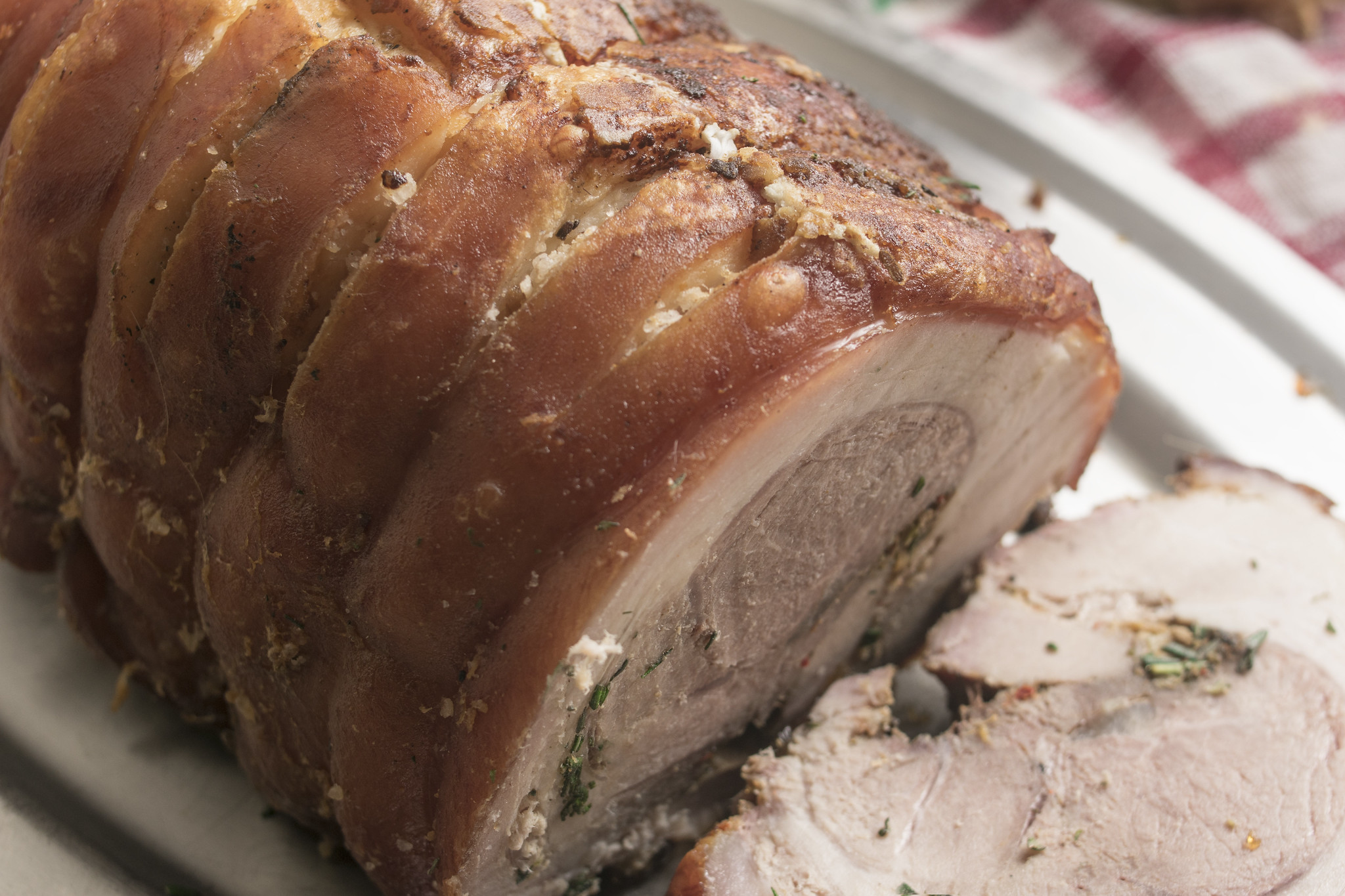
Photograph: Maxi Gagliano
Quick Answer: How do you make porchetta at home?
To make porchetta at home, use a butterflied piece of pork belly or pork shoulder, season the flesh with garlic, fennel seeds, rosemary, lemon zest, black pepper and salt, then roll and tie it tightly with the skin facing out. Roast it slowly until the pork is tender, then increase the oven temperature at the end to crisp the crackling.
For the best result, dry the skin well before cooking, season it generously with salt, and rest the porchetta before slicing. Pork belly gives the richest, crispest result, while pork shoulder is a little meatier and often more budget-friendly.
What is porchetta?
Porchetta is a traditional Italian roast pork dish made with boneless pork that is seasoned, rolled and slow-roasted until the meat is tender and the skin is crisp. It is often associated with central Italy, especially Lazio and Umbria, although versions can be found across the country.
Traditionally, porchetta was made with a whole deboned pig, seasoned generously with herbs, garlic, fennel, salt and pepper, then roasted until deeply aromatic. For home cooks, the same flavours can be recreated on a much more manageable scale using pork belly or pork shoulder.
At its best, porchetta is all about contrast: crisp crackling, juicy pork, fragrant herbs, a little citrus brightness, and that unmistakable fennel-and-garlic warmth running through every slice.
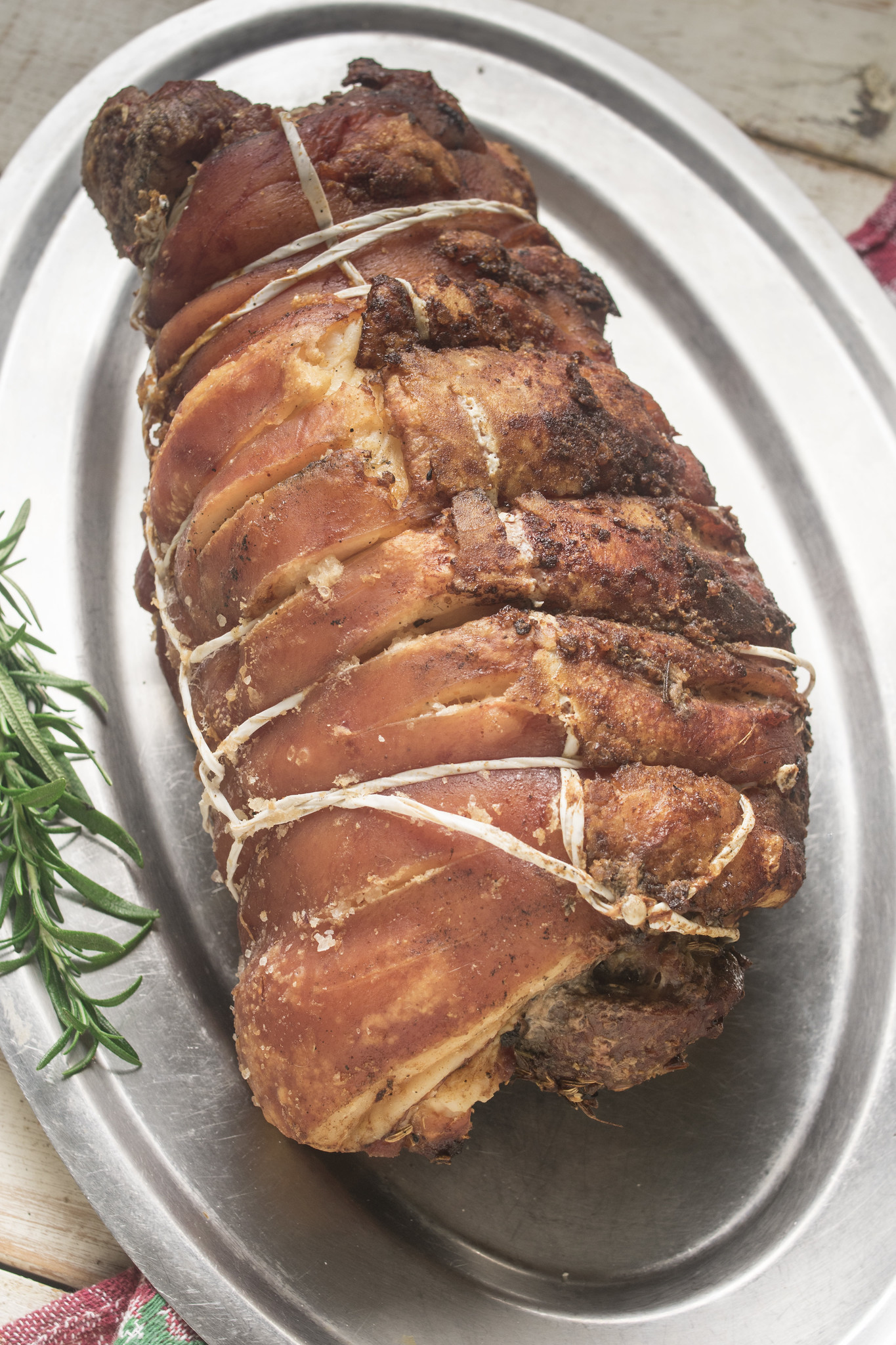
Photograph: Maxi Gagliano
Best cut of pork for porchetta
The best cut of pork for porchetta depends on the kind of roast you want. For home cooking, pork belly and pork shoulder are the easiest and most reliable options. Both give you tender, flavourful pork, but they behave slightly differently in the oven.
Pork belly
Pork belly is ideal if you want rich, juicy porchetta with excellent crackling. It has plenty of fat running through it, which helps keep the meat moist during the long roast, and the skin crisps beautifully when dried, salted and finished at a high temperature.
Pork shoulder
Pork shoulder is a great choice if you prefer a meatier roast. It is usually more affordable than pork belly, easy to find, and very forgiving when cooked low and slow. Ask your butcher for a boned and butterflied shoulder so you can spread the seasoning across the meat, roll it tightly and tie it before roasting.
Which one should you choose?
If crisp crackling is your main priority, go for skin-on pork belly. If you want a slightly leaner, meatier and more budget-friendly Italian pork roast, pork shoulder is a brilliant option. Either way, choose a boned, butterflied joint with the skin left on if you can.
Why you’ll love this porchetta recipe
This porchetta recipe gives you the drama of a proper Italian pork roast without needing a whole pig, a wood-fired oven or any specialist kit. It is generous, aromatic and impressive, but still very doable in a normal home kitchen.
The flavour is the real joy here. Fennel seeds, rosemary, garlic, lemon zest and black pepper give the pork that classic herby porchetta warmth, while the slow roast keeps the meat tender and juicy.
It also works beautifully with different cuts. Pork belly gives you rich meat and crisp crackling, while pork shoulder makes a meatier, more budget-friendly roast that is still full of flavour.
It is brilliant for gatherings, whether you serve it as a Sunday roast centrepiece, slice it into ciabatta rolls, or bring it out as part of a relaxed sharing table.
The leftovers are genuinely useful too. Cold porchetta is wonderful in sandwiches, and any extra meat can be chopped into fried rice, pasta, hash-style dishes or frittata.
Ingredient notes
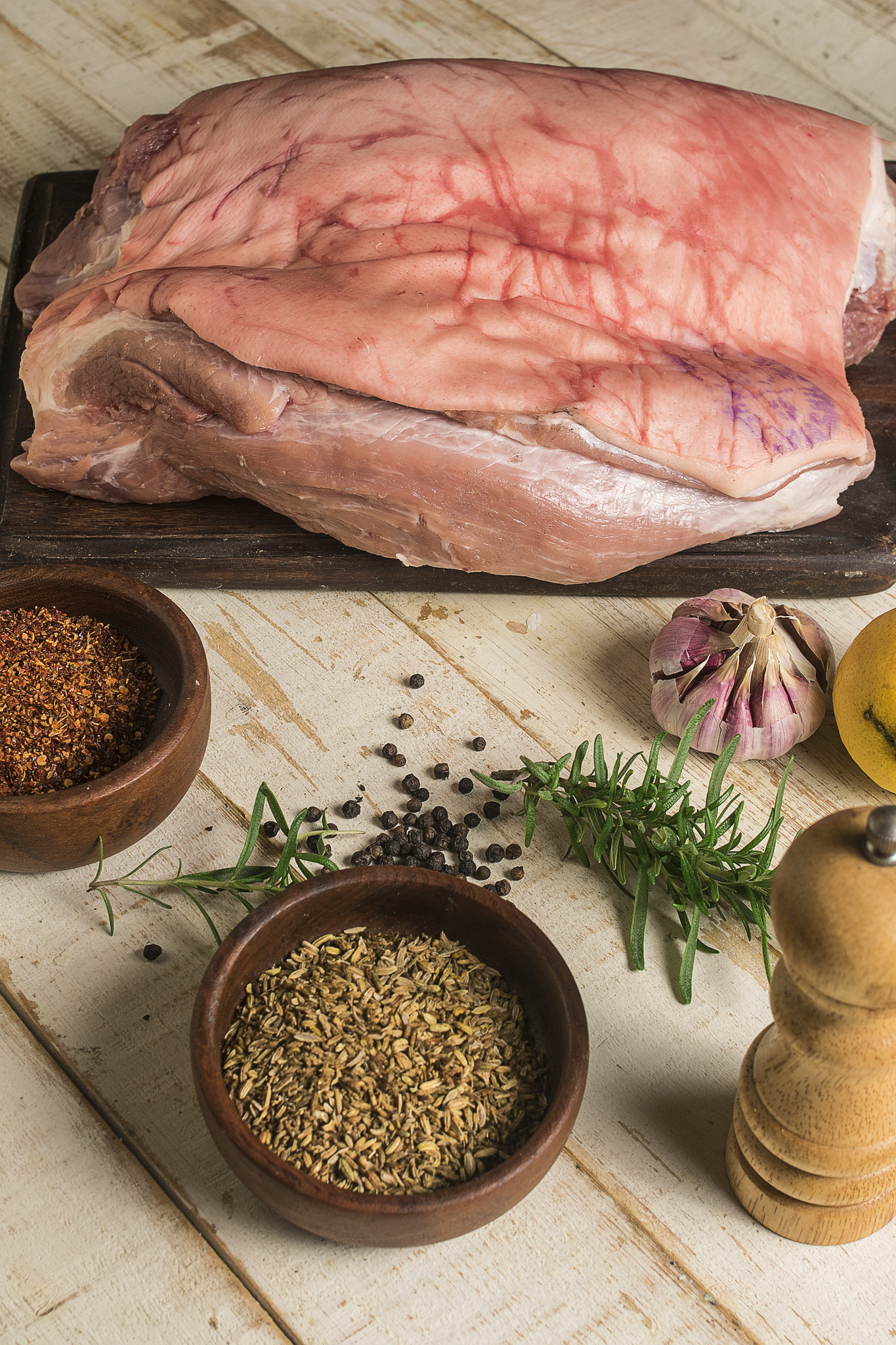
Pork: Use a 1.5–2kg boned, butterflied pork shoulder or pork belly, ideally with the skin left on. Pork belly gives richer meat and better crackling, while pork shoulder gives a meatier, slightly more economical roast.
Fennel seeds: Fennel is one of the key flavours in porchetta. Toasting the seeds briefly in a dry pan before crushing them helps release their aroma and gives the pork that warm, almost sweet Italian flavour.
Rosemary: Fresh rosemary works best here because it stands up well to slow roasting. Chop it finely so it spreads evenly through the garlic and fennel paste.
Garlic: Crushed garlic gives the filling depth and savoury warmth. Three cloves keeps the flavour generous without overwhelming the pork.
Lemon zest: Lemon zest lifts the richness of the pork and keeps the flavour bright. Use the zest only, not the juice, as extra moisture can work against crisp crackling.
Sea salt: Salt seasons the meat and helps the skin crisp. Use some in the herb paste and a little extra on the skin before roasting.
Olive oil: A little olive oil helps bring the seasoning paste together and encourages the skin to colour during roasting.
Chilli flakes: These are optional, but a small pinch adds warmth without taking the porchetta away from its classic fennel, rosemary and garlic flavour.
Photograph: Maxi Gagliano
Equipment you’ll need
You do not need any specialist equipment to make porchetta at home, but a few basics will make the process easier.
A sharp knife is useful for lightly scoring the skin and trimming any uneven pieces of pork. Kitchen string is essential for tying the rolled joint securely, which helps the porchetta keep its shape as it cooks.
You will also need a roasting tray, ideally with a rack if you have one, so the heat can circulate around the pork. A pestle and mortar or spice grinder is handy for crushing the toasted fennel seeds, although you can also use the end of a rolling pin.
A meat thermometer is useful for checking the pork is cooked safely, especially if your joint is larger, smaller or shaped differently from the one used here.
Porchetta Recipe
Prep time: 30 minutes
Cook time: 2.5–3 hours, plus 20–30 minutes for crisping
Resting time: 15–20 minutes
Serves: 6–8
This homemade porchetta is made with boned, butterflied pork shoulder or pork belly, seasoned with garlic, fennel seeds, rosemary, lemon zest and black pepper, then rolled, tied and slow-roasted until tender. A final blast of high heat helps crisp the skin for that all-important golden crackling.
Ingredients
1.5–2kg boned, butterflied pork shoulder or pork belly, ideally skin-on
3 garlic cloves, crushed
2 tsp fennel seeds, lightly toasted and crushed
2 tbsp fresh rosemary, finely chopped
Zest of 1 lemon
1 tsp freshly ground black pepper
2 tsp sea salt, plus extra for the skin
2 tbsp olive oil
Optional: a pinch of chilli flakes
Method
1. Preheat the oven to 160°C / 140°C fan / gas mark 3. Pat the pork very dry with kitchen paper, especially the skin.
2. Mix the garlic, fennel seeds, rosemary, lemon zest, black pepper, sea salt, olive oil and any optional chilli into a rough paste.
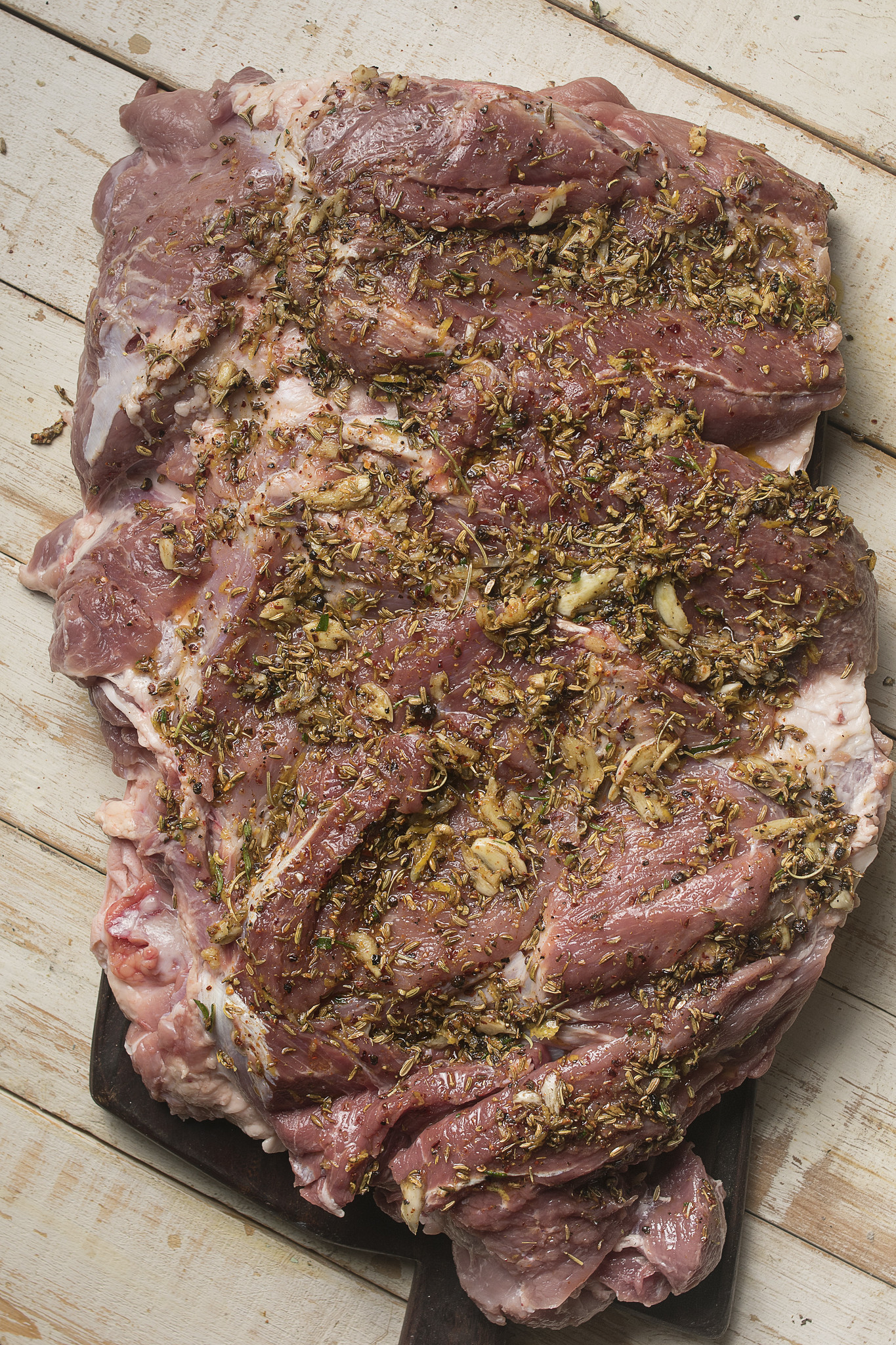
3. Spread the paste evenly over the meat side of the pork, keeping the skin side bare.
4. Roll the pork tightly, skin side out, and tie securely with kitchen string every few centimetres. Lightly score the skin with a sharp knife, taking care not to cut too deeply into the meat.
5. Rub a little extra sea salt over the skin and drizzle lightly with olive oil.
6. Place the porchetta on a roasting tray, skin side up. Roast low and slow for 2.5–3 hours, basting occasionally with the pan juices.
7. Increase the oven temperature to 220°C / 200°C fan / gas mark 7 for the final 20–30 minutes, until the skin is golden and crisp.
8. Remove from the oven and rest for 15–20 minutes before slicing.
9. Serve thickly sliced in ciabatta rolls, panini or sandwiches, or as a centrepiece with roasted vegetables. Leftovers are also good cold in sandwiches, or chopped into fried rice, pasta or hash-style dishes.
How to make porchetta successfully
The method for porchetta is simple, but a few small details make a big difference. The most important things are drying the skin properly, spreading the seasoning over the meat rather than the skin, rolling the pork tightly, tying it securely, and giving the crackling enough heat at the end.
Photograph: Maxi Gagliano
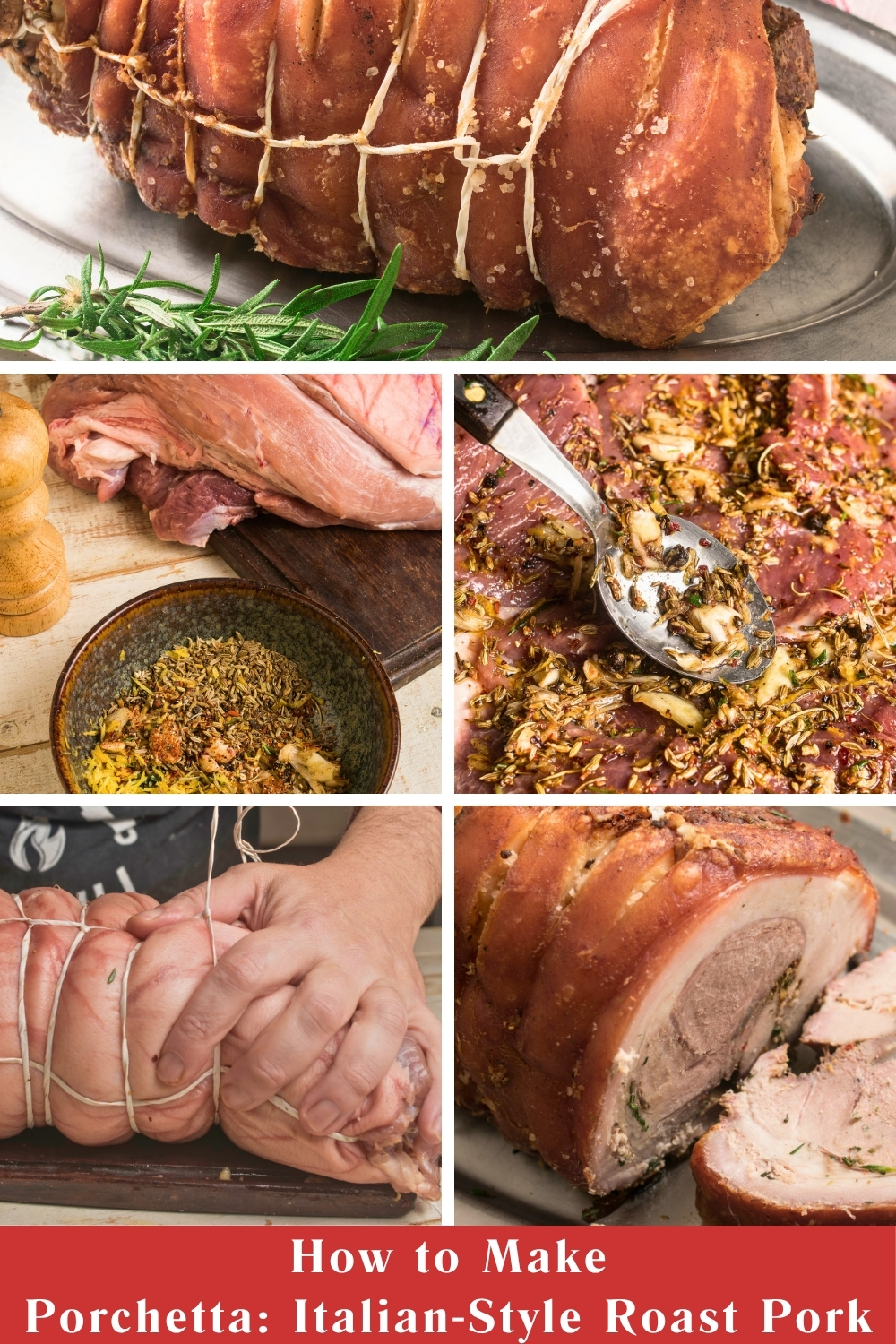
How to make porchetta: 6 key steps
Dry the skin, season the meat, roll tightly, tie with string, slow roast, then finish hot for crisp crackling.
Can you prepare porchetta the night before?
Yes, and it can actually help. You can season, roll and tie the porchetta the day before, then leave it uncovered or loosely covered in the fridge overnight. This gives the flavours time to settle into the meat and helps dry the skin, which improves the crackling once it goes into the oven.
How to roll porchetta
Lay the pork skin-side down with the meat facing up. Spread the garlic, fennel, rosemary and lemon paste over the meat side only, keeping the skin bare. Starting from one long edge, roll the pork as tightly as you can so the seasoned meat is enclosed and the skin sits on the outside.
A tight roll helps the porchetta cook evenly and makes it easier to slice once rested. If the pork is uneven in places, tuck thinner pieces in as you roll so the finished joint has a fairly even shape.
How to tie porchetta
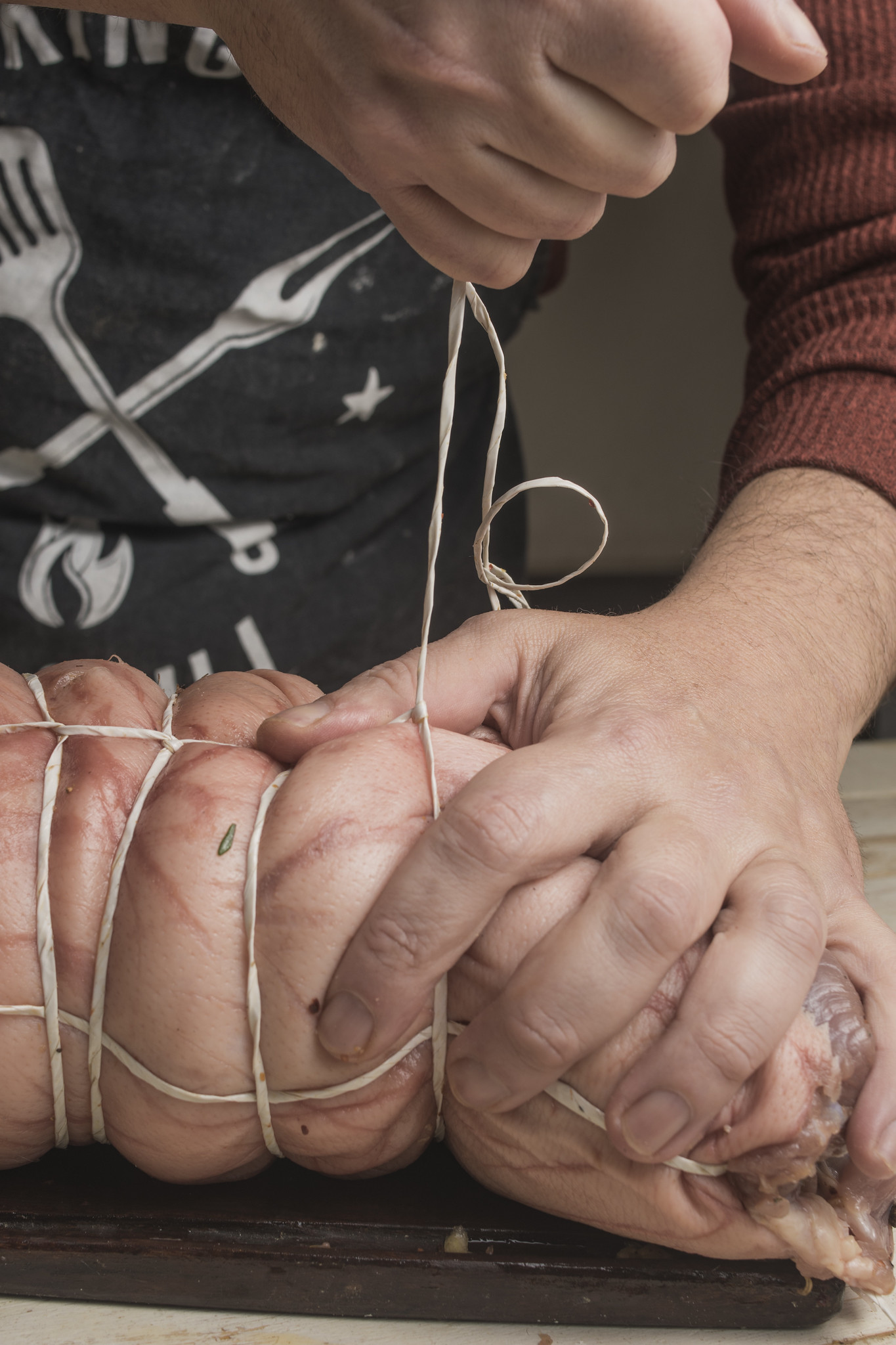
Cut several lengths of kitchen string before you start, as it is much easier than trying to wrestle with the string once your hands are oily. Tie the porchetta at regular intervals every few centimetres, pulling the string firmly enough to hold the roll in place without cutting into the meat too tightly.
You do not need butcher-level perfection here. The goal is simply to keep the pork rolled securely so it holds its shape in the oven.
Photograph: Maxi Gagliano
How to get crisp crackling
The secret to crisp porchetta crackling is dry skin and high heat at the end. Pat the skin very dry before roasting, then rub it with sea salt and a little olive oil. If you have time, leaving the pork uncovered in the fridge for a few hours, or overnight, will help dry the skin even more.
Roast the porchetta low and slow first so the meat becomes tender. Then increase the oven temperature for the final 20–30 minutes to crisp the skin. Keep an eye on it during this final stage, as crackling can go from golden to too dark quite quickly.
Should you baste porchetta?
Basting helps keep the meat side juicy and adds flavour, but try not to pour liquid over the skin if you want crisp crackling. Spoon the pan juices around the pork or over any exposed meat, while keeping the top of the skin as dry as possible.
How long should porchetta rest?
Rest the porchetta for 15–20 minutes before slicing. This gives the juices time to settle and makes the meat easier to carve. If you slice it straight from the oven, more of those lovely juices will run out onto the board instead of staying in the pork.
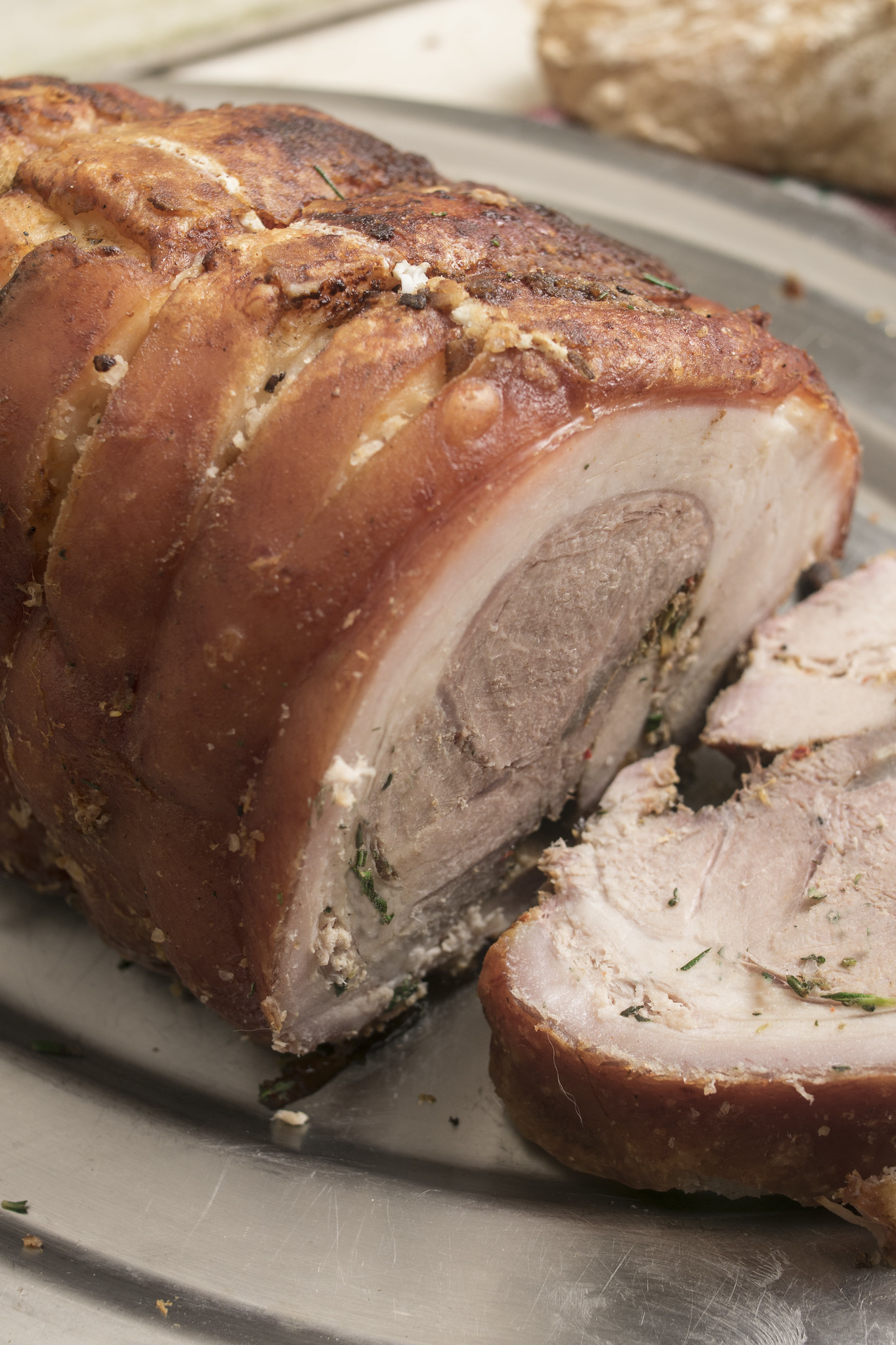
How to slice porchetta
Use a sharp knife and slice the porchetta thickly enough to hold together. For sandwiches, slightly thicker slices work well because you get soft herby meat and crisp crackling in each bite. For a roast dinner, carve it into generous rounds and serve with the pan juices, roasted vegetables or potatoes.
Photograph: Maxi Gagliano
How do you know when porchetta is cooked?
Porchetta should be cooked all the way through before you move on to the final crisping stage. The meat should be piping hot in the centre, with no pink remaining and the juices running clear. If you are using a meat thermometer, check the thickest part of the rolled joint, avoiding pockets of fat or filling, and follow Food Standards Agency cooking guidance.
Do not judge doneness by the crackling alone. The skin can look golden before the centre of a large rolled joint is fully cooked, so use the meat texture, juices and a thermometer if you have one.
Can you cook porchetta in a slow cooker?
Yes, you can cook porchetta in a slow cooker, but it is worth knowing the trade-off before you start. A slow cooker will give you beautifully tender pork with very little effort, but it will not create crisp crackling on its own. For that, you will need to finish the cooked porchetta under a hot grill or in a very hot oven.
To make slow cooker porchetta, prepare the pork in the same way as the oven-roasted version. Spread the garlic, fennel, rosemary and lemon mixture over the meat side, roll the pork tightly with the skin facing out, and tie it securely with kitchen string. If you have time, rest the rolled joint in the fridge for a few hours or overnight, as this helps it firm up and hold its shape during cooking.
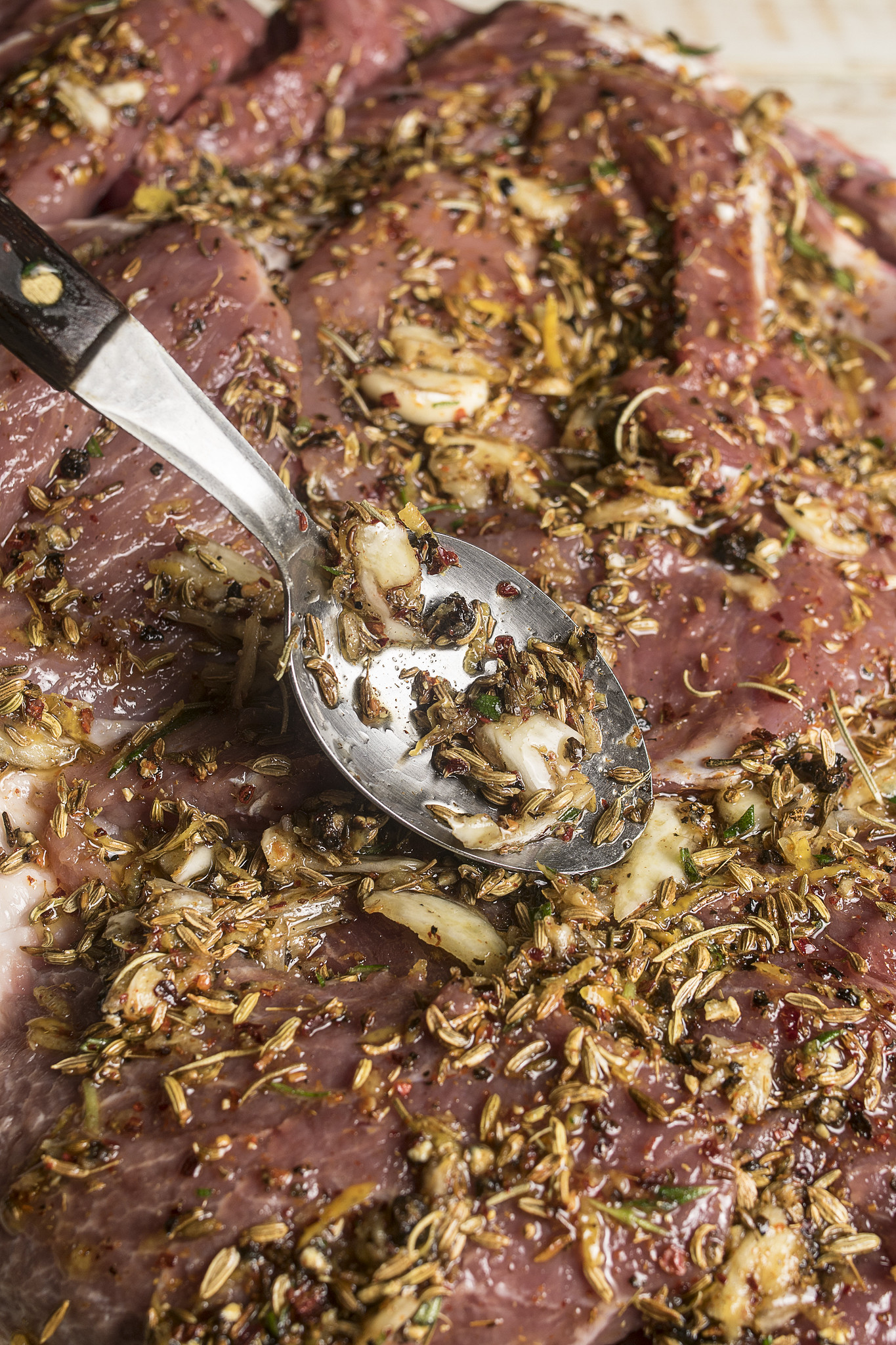
Photograph: Maxi Gagliano
Place a halved onion, a few garlic cloves and a small splash of stock in the base of the slow cooker to create a simple flavour base. Set the rolled porchetta on top, then cook on low for 8–9 hours, or on high for 4–5 hours, until the pork is tender.
Once cooked, transfer the porchetta to a roasting tray and place it under a very hot grill for 5–8 minutes, or into a very hot oven, until the skin puffs, blisters and turns crisp. Watch it closely at this stage, as crackling can catch quickly once the heat is high.
Rest the porchetta for at least 15 minutes before slicing. The cooking juices left in the slow cooker can be strained and reduced into a rich pork gravy, which is lovely with roast potatoes, greens or a crusty porchetta sandwich.
What to serve with porchetta
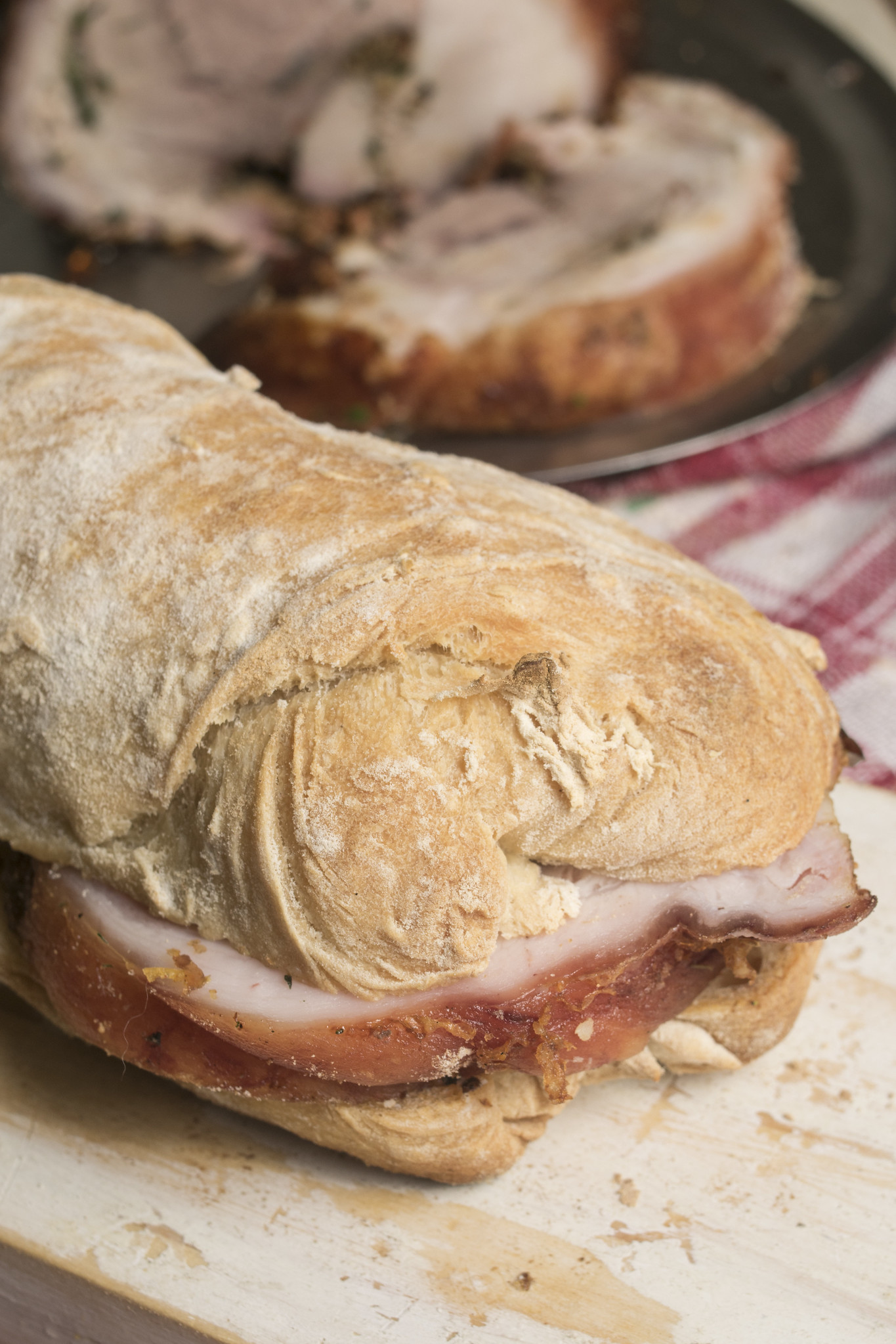
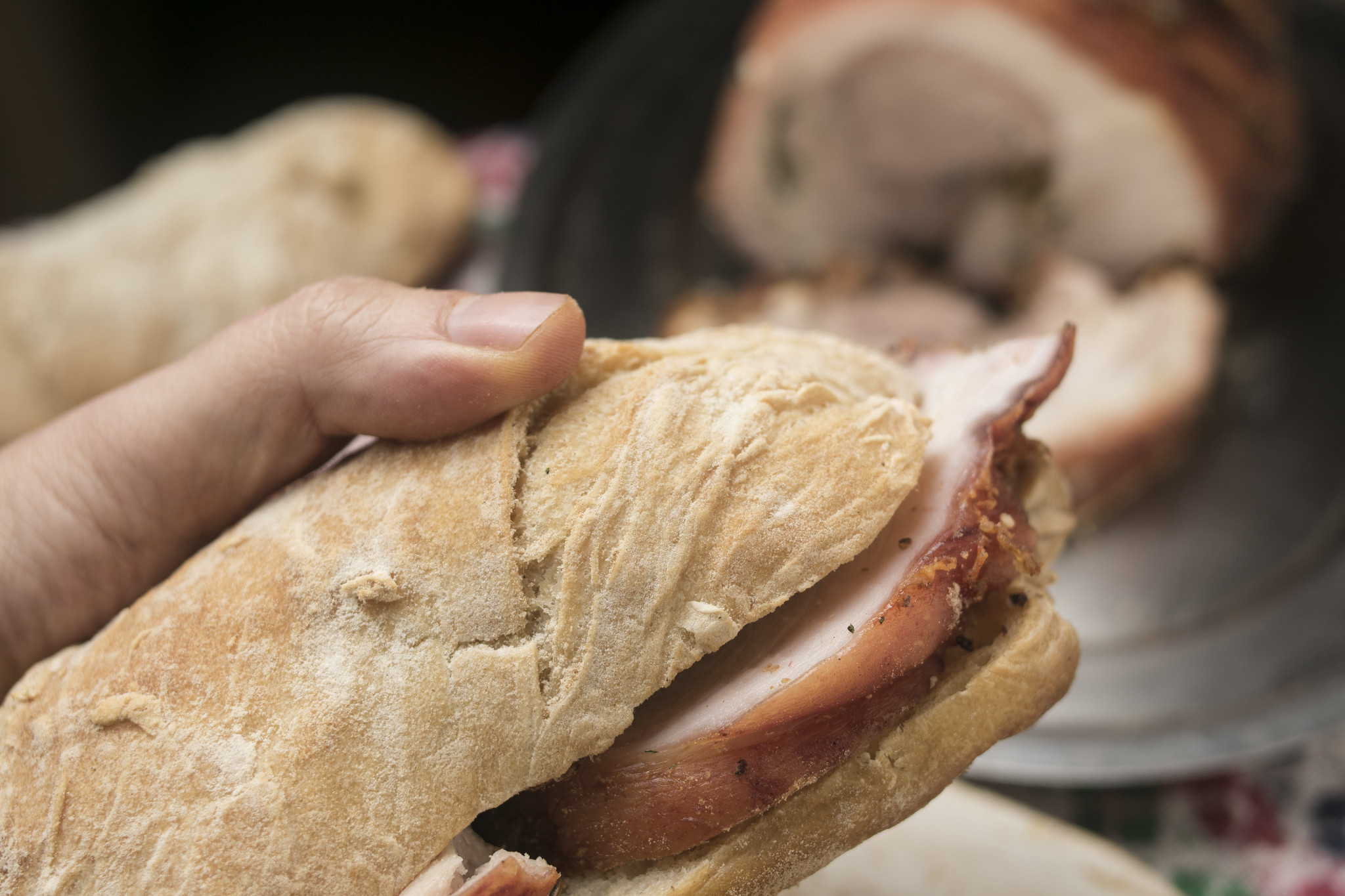
The classic way to serve porchetta is thickly sliced in a crusty roll, panino or ciabatta. The bread catches the juices, the crackling gives you crunch, and the fennel, rosemary and garlic do most of the flavour work for you.
For a simple porchetta sandwich, tuck warm slices into ciabatta with rocket, mustard, pickled red onions, roasted peppers or a spoonful of salsa verde. You do not need to overcomplicate it; the pork is rich and aromatic enough to carry the whole thing.
Photograph: Maxi Gagliano
If you are serving porchetta as a main meal, treat it like a generous Sunday roast. Crisp roast potatoes, fennel, greens, a sharp salad or a simple pan gravy all work beautifully alongside the pork.
Porchetta is also excellent for a relaxed sharing table. Serve it warm or at room temperature with rustic bread, olives, cheeses, pickles, seasonal salads and plenty of napkins.
For homemade bread to go with it, my no-knead ciabatta rolls are ideal for porchetta sandwiches. These sunblush tomatoes would also make a lovely Mediterranean-style side.
Leftovers and storage
Leftover porchetta is one of the best reasons to make a generous roast. Once cooled, store it in an airtight container in the fridge and use it within two days. As with all cooked leftovers, cool it promptly, keep it chilled, and reheat only once until steaming hot all the way through, following Food Standards Agency guidance on storing leftovers safely.
Cold porchetta is wonderful in sandwiches, especially with mustard, pickles, salad leaves or a little mayonnaise and lemon. The crackling will soften in the fridge, but the herby pork stays full of flavour.
You can also chop leftover porchetta into fried rice, pasta, hash-style dishes, frittata or risotto. It is rich, salty and aromatic, so a little goes a long way.
For leftover inspiration, try folding chopped porchetta through Yangzhou fried rice, or use it as a savoury addition to a simple pasta dish. My homemade pasta guide is a useful place to start if you want to turn the leftovers into another meal.
FAQs about porchetta
Can I make porchetta without a whole pig?
Yes. A whole pig is traditional for some styles of porchetta, but you can make an excellent homemade version with a boned, butterflied pork belly or pork shoulder. It is much easier to manage in a home kitchen and still gives you the same herby, rolled Italian pork roast feel.
Is pork belly or pork shoulder better for porchetta?
Pork belly is best if you want richer meat and crisp crackling. Pork shoulder is a good option if you want a meatier, slightly more budget-friendly roast. Both work well, as long as the pork is boned, butterflied and ideally skin-on.
How do I get crisp crackling on porchetta?
Dry the skin as thoroughly as possible before roasting, rub it with sea salt, and finish the porchetta at a high temperature. If you have time, leaving the rolled pork uncovered in the fridge for a few hours or overnight will help dry the skin and improve the crackling.
Can I prepare porchetta ahead of time?
Yes. You can season, roll and tie the pork up to 24 hours ahead, then keep it in the fridge until you are ready to roast. This can actually improve the flavour and help the skin dry out before cooking.
Can I cook porchetta in a slow cooker?
Yes, but the skin will not crisp in the slow cooker. Cook the prepared porchetta on low until tender, then transfer it to a roasting tray and finish it under a hot grill or in a very hot oven to crisp the crackling.
Why did my porchetta crackling not crisp?
The skin may have been too wet, not salted enough, or not exposed to high enough heat at the end of cooking. Avoid pouring liquid over the skin while basting, and give the porchetta a final blast of heat to help the crackling puff and crisp.
What should I serve with porchetta?
Porchetta is wonderful sliced into ciabatta rolls, panini or crusty sandwiches. It also works as a roast dinner centrepiece with crisp potatoes, greens, roasted vegetables, salad or a simple pan gravy.
Can you eat porchetta cold?
Yes. Cold porchetta is excellent in sandwiches, lunchboxes and picnic rolls. The crackling will soften once chilled, but the herby pork stays full of flavour.
Can I freeze cooked porchetta?
Yes. Slice the cooked porchetta, wrap it well and freeze it for up to two to three months. Defrost in the fridge before reheating, and make sure it is piping hot all the way through before serving.
What can I do with leftover porchetta?
Leftover porchetta is brilliant in sandwiches, fried rice, pasta, hash-style dishes, frittata or risotto. Because it is already seasoned with garlic, fennel, rosemary and lemon, it brings plenty of flavour to simple second-day meals.
Photograph: Maxi Gagliano
Final thoughts
Porchetta is one of those recipes that feels wonderfully generous. It has all the drama of a special occasion roast, but at heart it is simply good pork, bold seasoning, patient cooking and a little attention to the crackling.
For me, it will always carry a little memory of Assisi with it: warm stone streets, the smell of fennel and roast pork in the air, and that first bite of porchetta tucked into bread in Umbria. But this homemade version brings the same spirit into a normal kitchen, whether you are making it for Sunday lunch, sandwiches, a gathering, or a tray of very useful leftovers.
Serve it with ciabatta, roast potatoes, greens, pickles, or just a sharp knife and a queue of people waiting near the board.
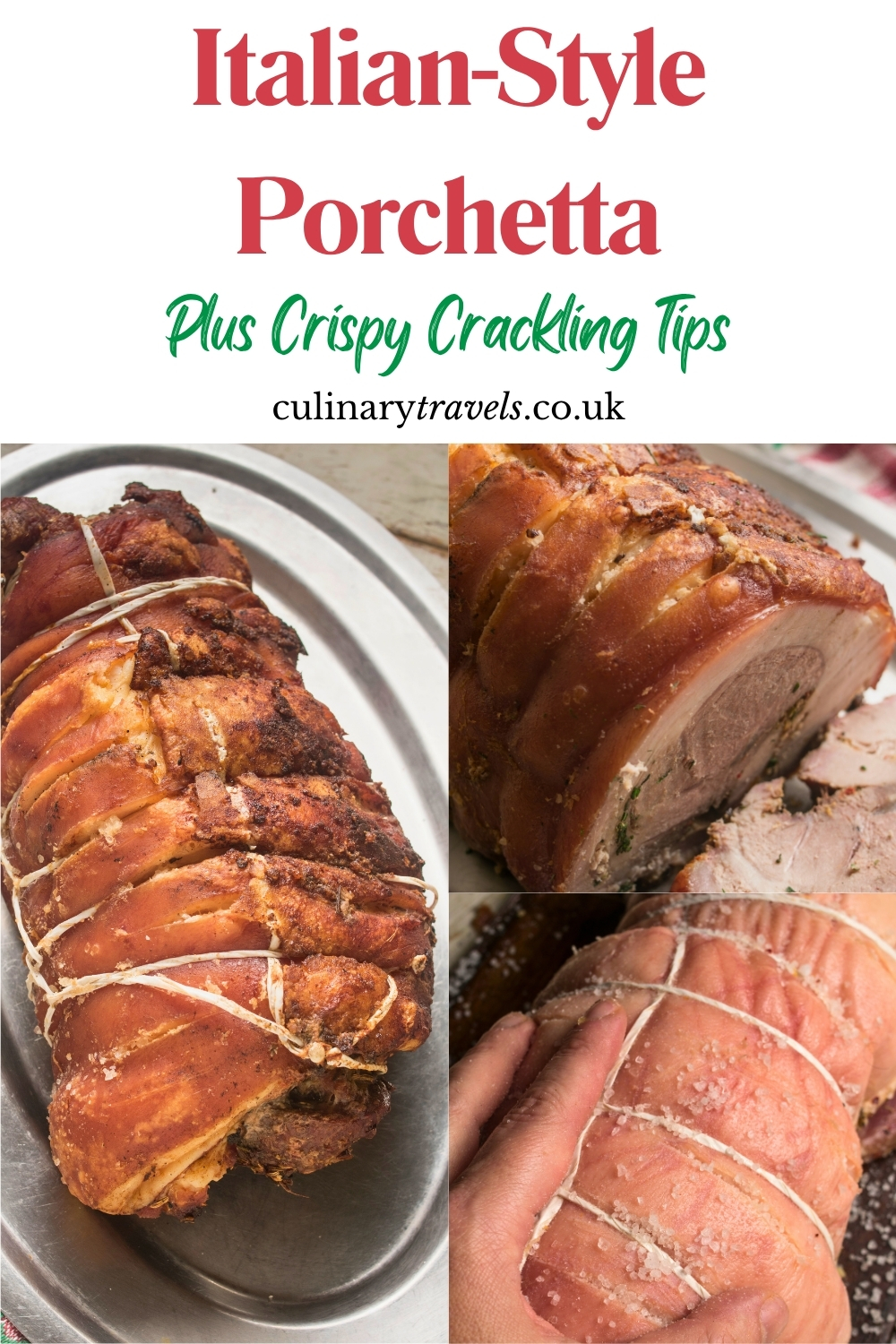
Photography for this recipe was commissioned by Culinary Travels and shot by Maxi Gagliano. Images are used with full usage rights granted to Culinary Travels for website, social media and print use.
Stay in Touch
Culinary Travels publishes destination guides, seasonal recipes, and food-led travel features from the UK and beyond.
Follow for new articles and updated travel resources:
Instagram | X | Facebook | Pinterest
Newsletter
Receive new guides, recipes, and occasional travel planning notes by email: Subscribe here
Reader feedback and local recommendations are always welcome via the contact page.


©2026 Culinary Travels. Culinary Travels is written and edited by Georgina Ingham | Website designed by The Smarter Web Company
What Our Followers Say
"A highly complimentary article ... showcasing why the English Market remains one of Ireland's premier food destinations"
Cork City Council via Facebook
"Our list of things to do in Cork has just expanded hugely thanks to Culinary Travels."
Triskel Art Centre Cork, via Twitter
“Tried this last night and it was delicious!”
Reader feedback via Pinterest, Yangzhou Fried Rice Recipe
"Oh yum!!! I could eat one or two right now!"
Sami Tamimi, via Instagram, on Ma’amoul Cookies
"Georgina was great to work with, quick to respond, and is a excellent content writer - would highly recommend"
Nick S - Get Blogged
“A simple no-knead dough transformed into beautiful, rustic rolls.”
Reader feedback via Pinterest, No-Knead Ciabatta Rolls Recipe