
Articles


Healthier School Dinners Still Have to Pass the Taste Test
DISPATCH
England's school food standards are changing. But improving what's on the menu is only half the challenge: children still have to eat it.
Some articles on Culinary Travels may contain affiliate links, meaning I may earn a small commission at no extra cost to you. I only recommend places, experiences and products that fit the editorial tone and standards of the site.
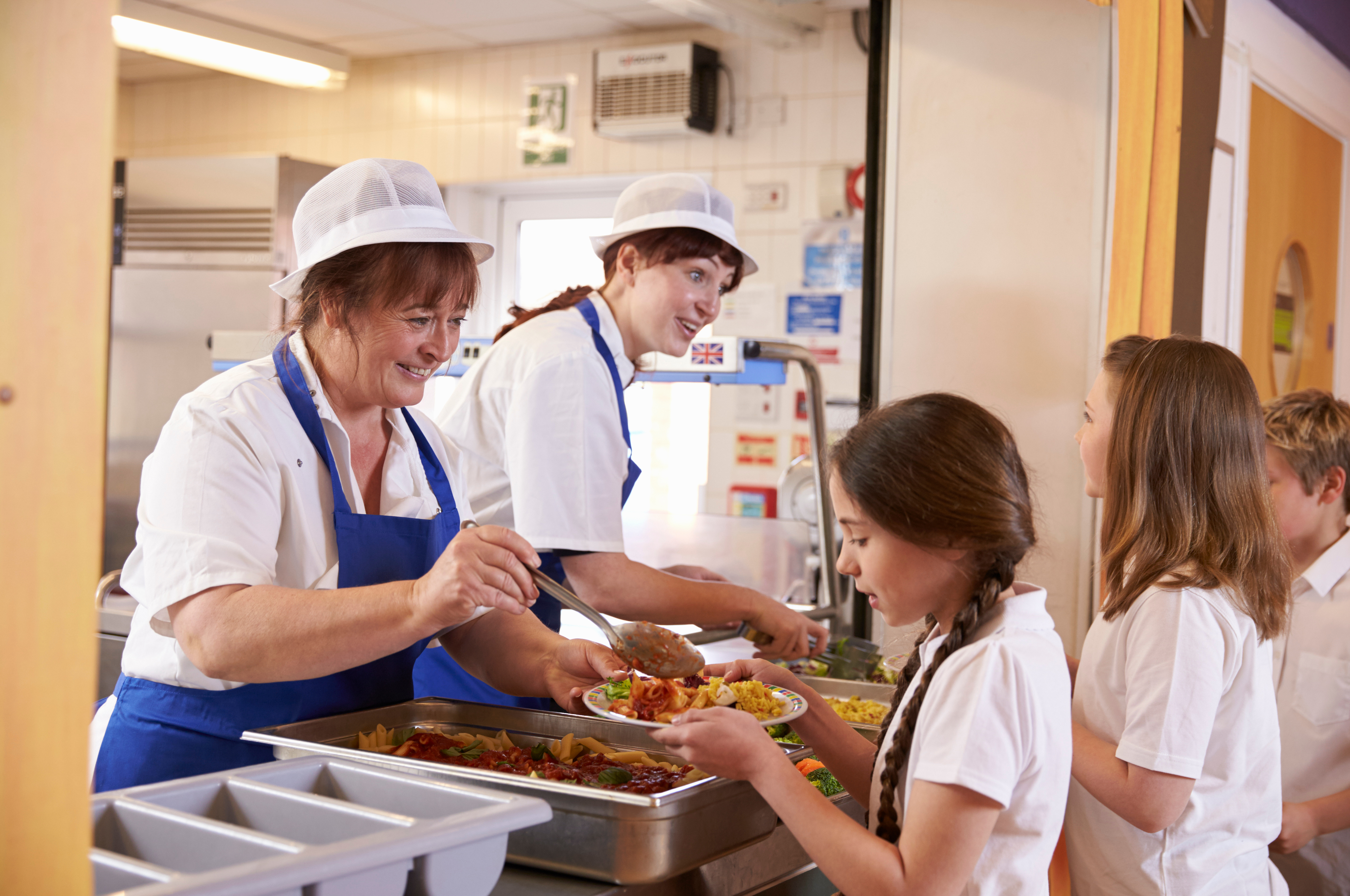
Photograph: Monkey Business (Adobe Stock)
Walking past my local junior school recently, the smell of braised meat stopped me in my tracks. Suddenly, I was back in the 1980s lunch queue, dreading chewy meat, grey instant mash and vegetables that seemed to have been boiling all morning.
I was the child who didn't eat her school dinner. By secondary school, given a little more freedom, I'd choose a sandwich and fries, or pizza and a piece of fruit. Hardly a nutritional triumph, but at least I ate it.
Four decades later, school food has changed considerably. Yet one stubborn problem remains: children still have to want what's on the menu.
Healthy on paper isn't enough
England's school food standards are due to change from September 2027, subject to Parliamentary approval. More fibre, fruit and vegetables; fewer foods high in fat, sugar and salt. Sensible ambitions, certainly.
But a Department for Education survey conducted in May 2026 found that, among pupils eligible for free school meals who had school-prepared lunches, 61% at Key Stage 3 and 66% at Key Stage 4 cited liking the food as a factor in deciding whether to have a school meal.
Taste wasn't the only consideration. Around four in ten also cited the length of the lunch queue.
An 11-school government pilot, published in October 2026, reinforced the challenge. Proposed menus improved nutritionally, but five caterers reported falling meal uptake, although one school's numbers recovered within days. Four reported no change and two an increase.
The trial was small and tested earlier proposals, subsequently revised. It cannot predict the national outcome. But it did suggest that schools involving pupils in menu development and introducing changes gradually achieved better acceptance.
That's the practical lesson. Pupil tastings, appealing choices and enjoyable lunchtimes should be central to implementing the new standards, not optional extras.
None of this means abandoning nutritional improvements or allowing pupils to dictate every dish. But healthier food must also be food children are willing to eat.
Yet children retain the ultimate veto: their mouths.
The nutritional value of an uneaten school lunch is zero.
Stay in Touch
Culinary Travels publishes destination guides, seasonal recipes, and food-led travel features from the UK and beyond.
Follow for new articles and updated travel resources:
Instagram | X | Facebook | Pinterest
Newsletter
Receive new guides, recipes, and occasional travel planning notes by email: Subscribe here
Reader feedback and local recommendations are always welcome via the contact page.
©2026 Culinary Travels. Culinary Travels is written and edited by Georgina Ingham | Website designed by The Smarter Web Company
What Our Followers Say
"A highly complimentary article ... showcasing why the English Market remains one of Ireland's premier food destinations"
Cork City Council via Facebook
"Our list of things to do in Cork has just expanded hugely thanks to Culinary Travels."
Triskel Art Centre Cork, via Twitter
“Tried this last night and it was delicious!”
Reader feedback via Pinterest, Yangzhou Fried Rice Recipe
"Oh yum!!! I could eat one or two right now!"
Sami Tamimi, via Instagram, on Ma’amoul Cookies
"Georgina was great to work with, quick to respond, and is a excellent content writer - would highly recommend"
Nick S - Get Blogged
“A simple no-knead dough transformed into beautiful, rustic rolls.”
Reader feedback via Pinterest, No-Knead Ciabatta Rolls Recipe