
Blog


A Food Lover’s Weekend in St Albans: Markets, Historic Pubs and Independent Eats
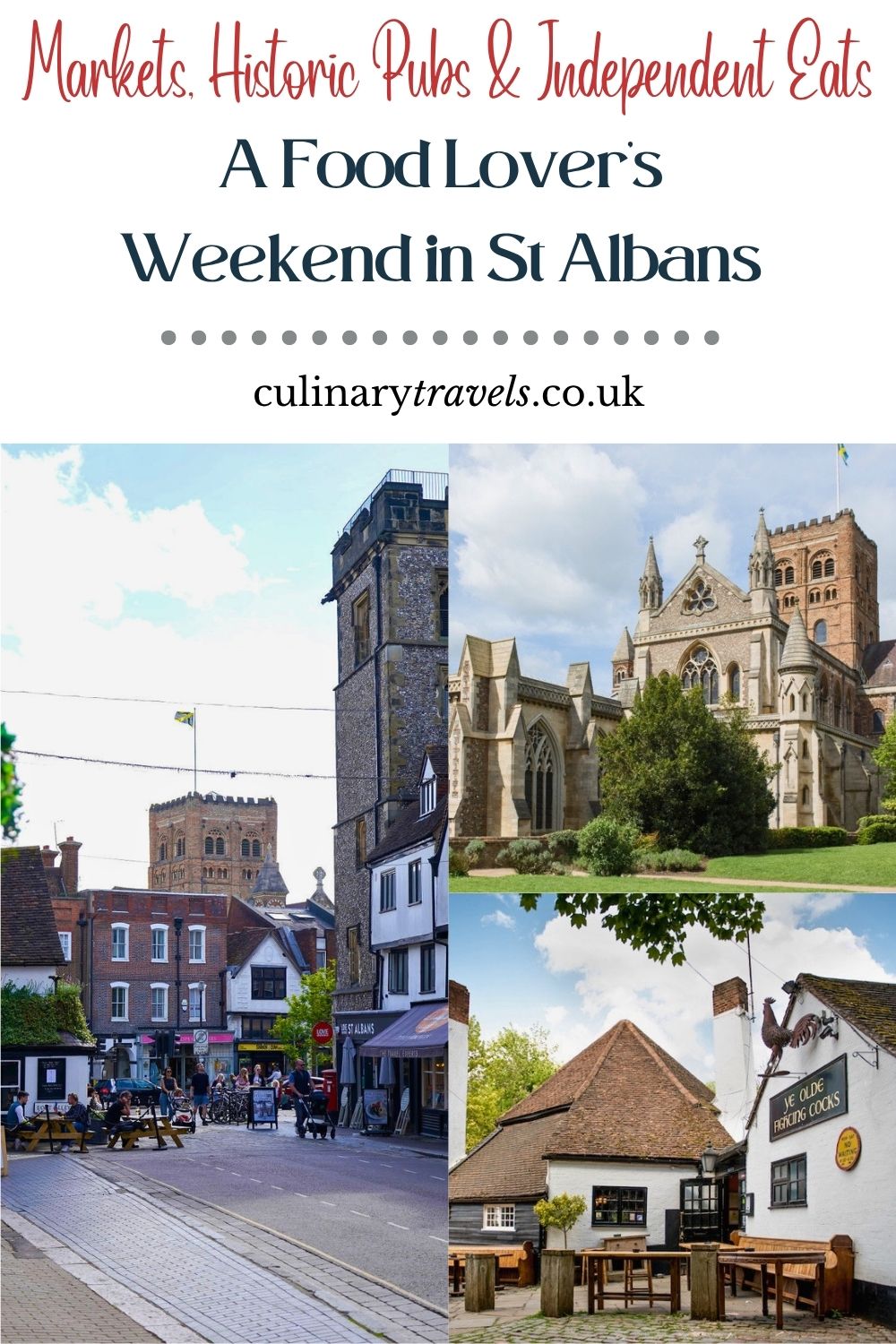
This feature was produced with the support of St Albans BID and PR4 Media. Editorial control remains with the author. Unless otherwise credited, photography was supplied by the PR team.
Some posts on Culinary Travels may contain affiliate links, meaning I may earn a small commission at no extra cost to you. I only recommend products, places and experiences that fit the editorial tone and standards of the site.
St Albans has the kind of food scene that sneaks up on you. Just twenty minutes from London, this Hertfordshire cathedral city offers far more than a handy day trip: think cobbled streets, a market with more than a thousand years of history, Roman remains, characterful old pubs and an independent food scene that feels rooted in place rather than imported for effect. For a weekend break with proper substance, St Albans makes a compelling choice. You can start the day with flaky pastries and good coffee, wander from market stalls to medieval streets, stop for lunch in a pub with centuries of stories in its walls, and end the evening with anything from thoughtful restaurant cooking to waffles, deli finds or tapas-inspired small dishes. It is a city where food and history sit naturally side by side, which is exactly what makes it so enjoyable to explore.
In this guide
1) Why St Albans works for a food-focused weekend
2) A food-lover’s first day in St Albans
3) A slower second day in St Albans
5) Where to eat and drink in St Albans
6) The St Albans food scene: what makes it special
7) Packing tips for a weekend in St Albans
8) Planning your St Albans weekend
Spring is an especially appealing time to visit St Albans, when blossom, green spaces and market days give the city an extra lift. Still, the mix of historic sights, independent food spots and cosy pubs means it is just as enjoyable as a cooler-weather break.
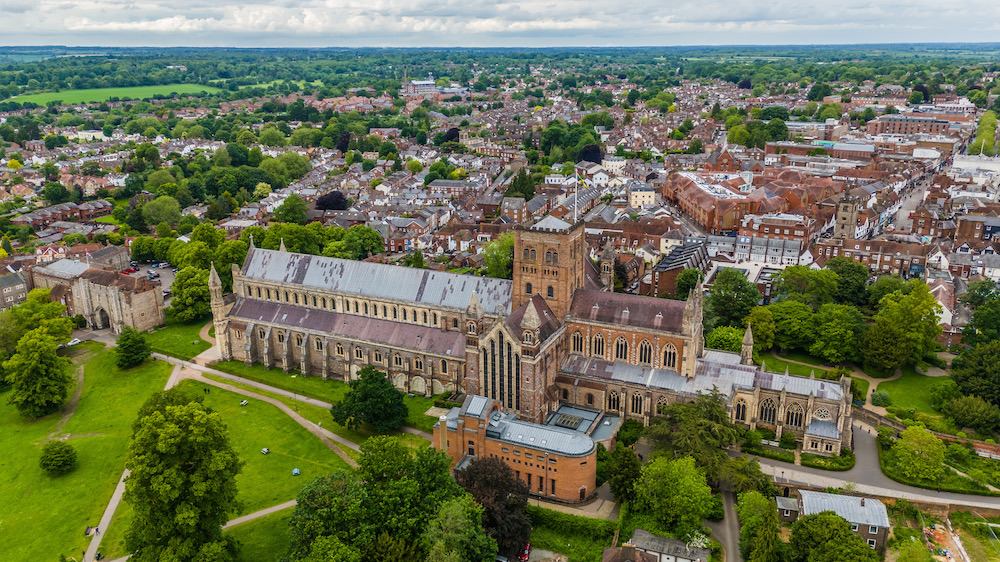
Photograph: Barry Goodey (@bg_drone_shots)
Why St Albans works for a food-focused weekend
What makes St Albans work so well as a food-focused escape is the way everything sits comfortably within the wider shape of the city. This is not a place where the food scene feels detached from its surroundings. Instead, the best meals and market finds are folded into centuries of history, from the cathedral quarter and medieval streets to the long-established market culture and historic inns that once welcomed travellers passing through. Add in a lively mix of independent cafés, bakeries, delis and restaurants, and the result is a weekend that feels both easy and full.
That balance is what makes St Albans especially appealing. You are not choosing between culture and comfort, or between sightseeing and eating well. The two are closely intertwined. A morning might begin with coffee and pastries before a wander through the market, continue with time spent among Roman remains or in the cathedral quarter, and end with dinner in a historic pub or independent restaurant. Because the city is compact and walkable, it is easy to explore at a relaxed pace without losing the sense that there is plenty to see, taste and enjoy along the way.
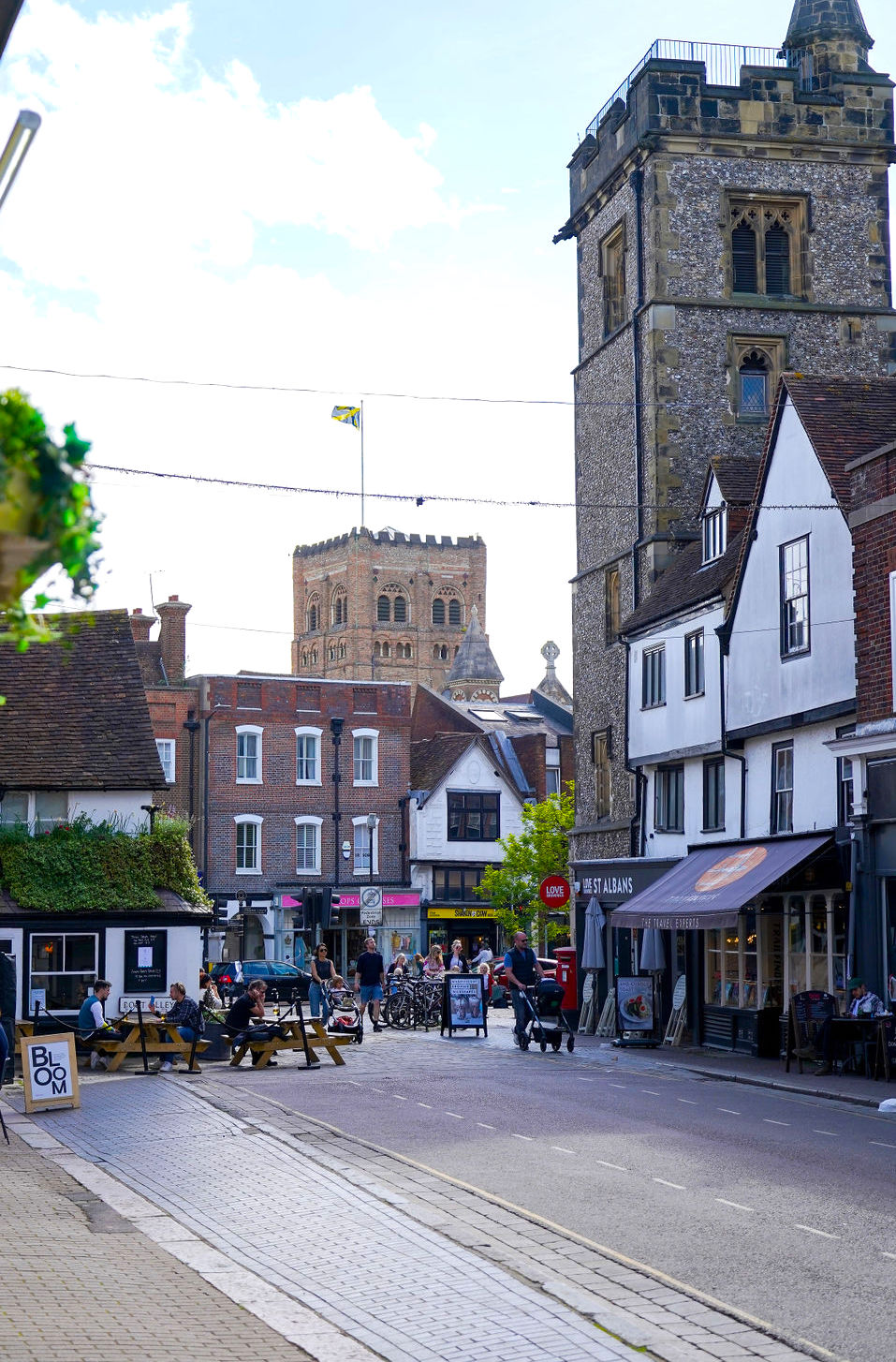
Photograph: KL Creative for Enjoy St Albans
A food-lover’s first day in St Albans
The ideal first morning in St Albans begins with coffee and something buttery or sweet from one of the city’s independent bakeries. From there, head into the market area and let the city reveal itself at walking pace. St Albans is the sort of place that rewards a little meandering: a deli here, a historic frontage there, the market in full swing on the right day, and the cathedral never too far from view. It is easy to build a day around food, but just as easy to let history and atmosphere shape the route.
If you are visiting on a Wednesday or Saturday, the St Albans Charter Market gives the day an immediate sense of energy, with stalls, local colour and a steady flow of people moving through the centre.
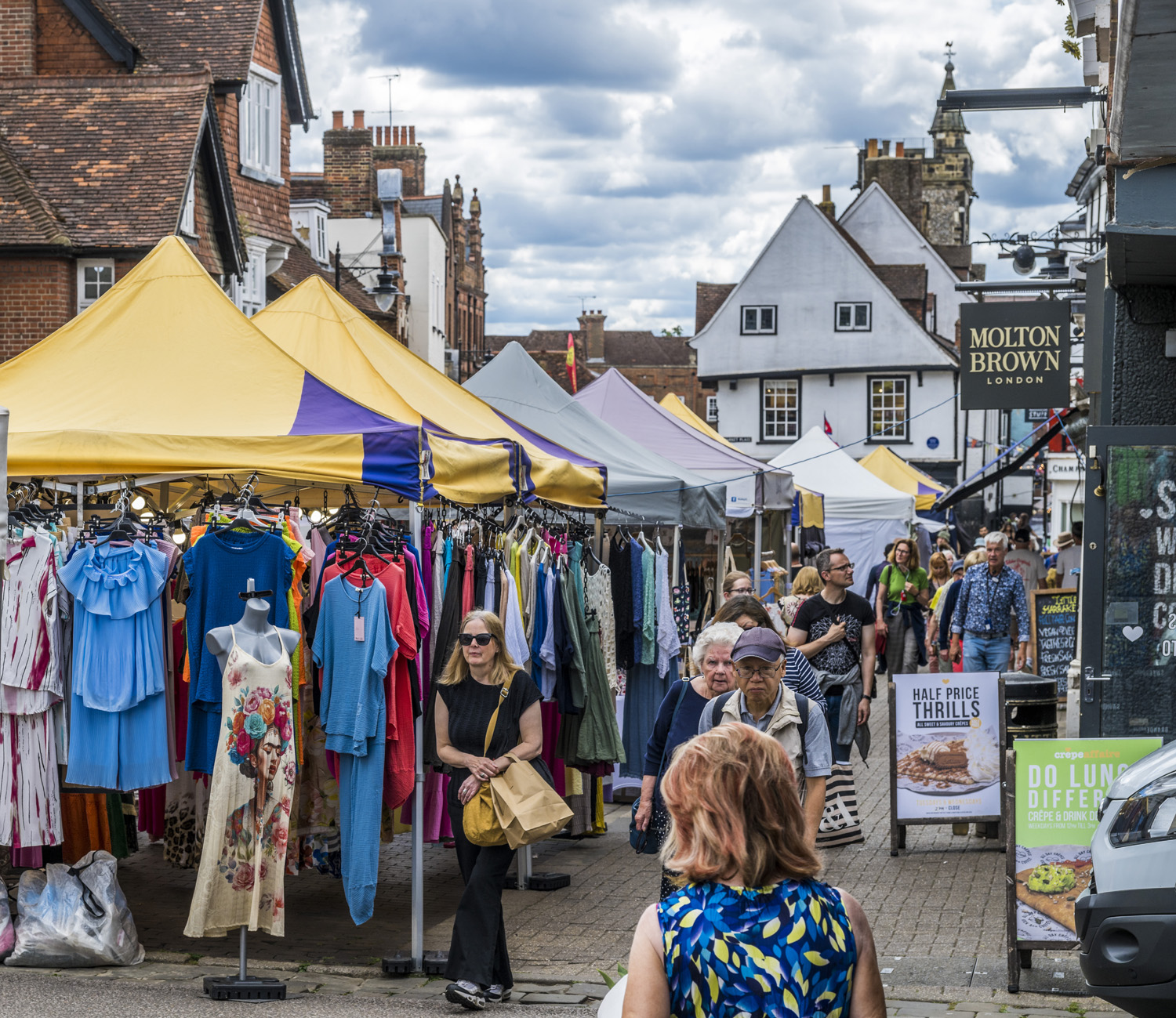
Photograph: Ricky Barnett
Even beyond the market itself, the city has a way of drawing you onward. You might pause at Silver Palate for a deli-style lunch, linger over the details of old shopfronts and cobbled streets, or simply follow the pull of the cathedral quarter, where the historic fabric of St Albans feels especially vivid. This is the kind of place where lunch does not need to be overplanned; it can be part of the pleasure of wandering.
As the day unfolds, there is plenty to tempt you away from the table for a while, whether that means climbing the Clock Tower, spending time in St Albans Cathedral, or drifting between the Museum + Gallery and the older streets nearby. By late afternoon, it makes sense to slow the pace again with something sweet or a drink before settling into the evening. Dinner might mean a relaxed pub atmosphere, something more contemporary in the cathedral quarter, or simply another stop that catches your eye as the city begins to wind down. What makes a first day in St Albans work so well is that it never feels as though food and exploring are in competition; each leads naturally into the other.
A slower second day in St Albans
If the first day in St Albans is shaped by the market, cathedral quarter and the easy pleasures of wandering through the centre, a second day invites a slightly slower pace. This is the time to head towards Verulamium and St Michael’s, where the city’s Roman history and greener spaces come more fully into view. Breakfast or brunch can be unhurried, followed by a walk through the park, time at Verulamium Museum or the Roman Theatre, and perhaps a pause at a historic pub before one last browse or sweet stop back in the centre.
What makes a second day worthwhile is the chance to see a different side of St Albans. The city still feels compact and manageable, but there is more room to notice its quieter corners, from parkland and old streets to independent food stops that might have been missed the day before. It turns the trip from a good day out into something more rounded: a weekend shaped not only by where you eat, but by the pleasure of exploring at a gentler pace.

Photograph: Waffle Wands
What to do between meals
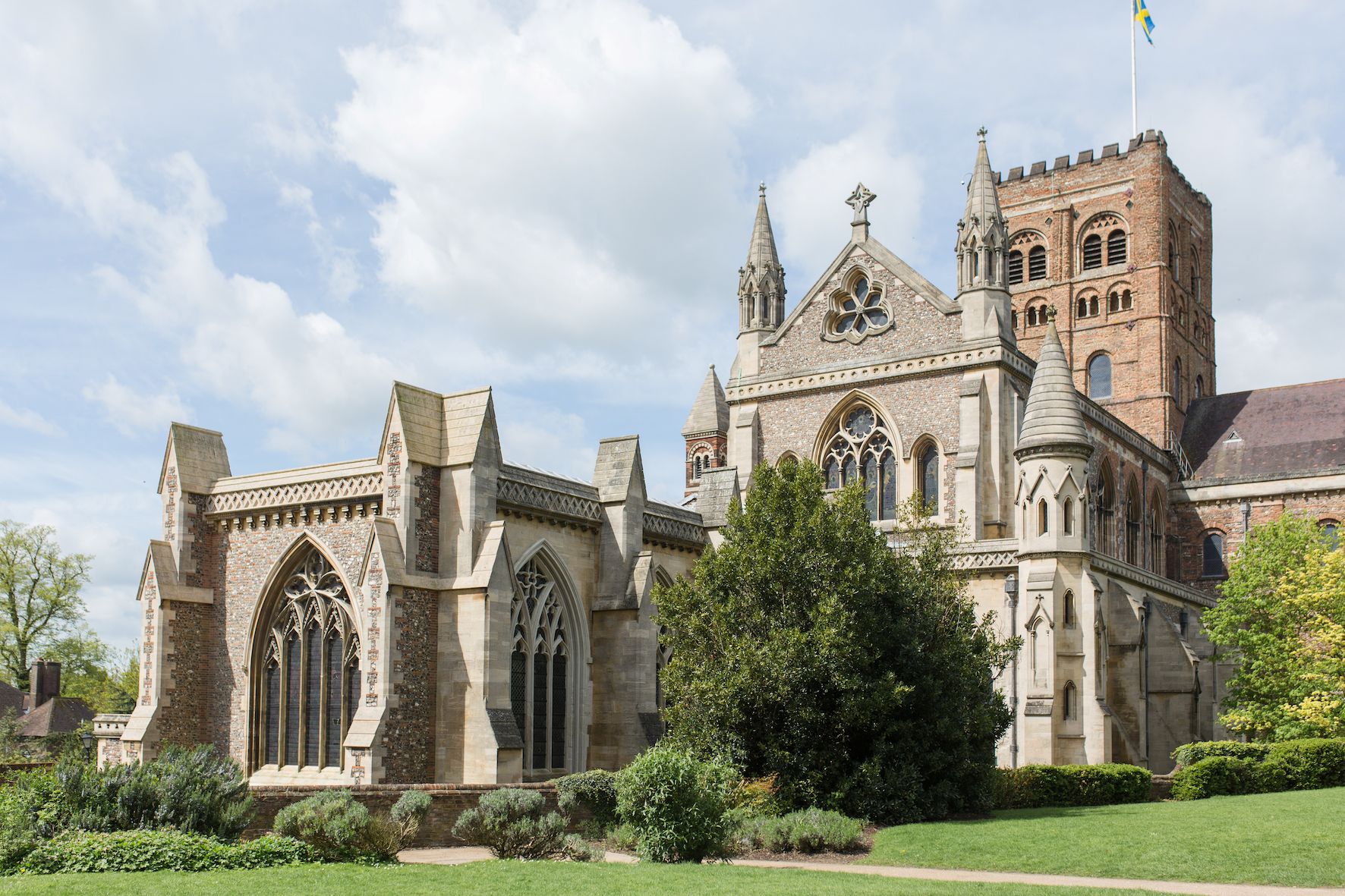
One of the pleasures of a weekend in St Albans is that there is plenty to draw you away from the table between one meal and the next. This is a city that rewards wandering. You can begin with the market and medieval streets at the centre of town, then drift towards the Cathedral quarter, where layers of history seem to reveal themselves one after another. St Albans Cathedral is the obvious anchor, both for its scale and for the sense of continuity it gives the city, while nearby streets such as George Street, Romeland and Fishpool Street make the case for slowing down and looking properly.
Photograph: Cecelina Tornburg
For a higher vantage point, the medieval Clock Tower offers panoramic views across the city, while the Cathedral’s Norman Tower gives you a different perspective again, looking out over rooftops, greenery and the wider Hertfordshire landscape. Both help place St Albans in context: compact enough to explore with ease, but full of detail once you start paying attention.
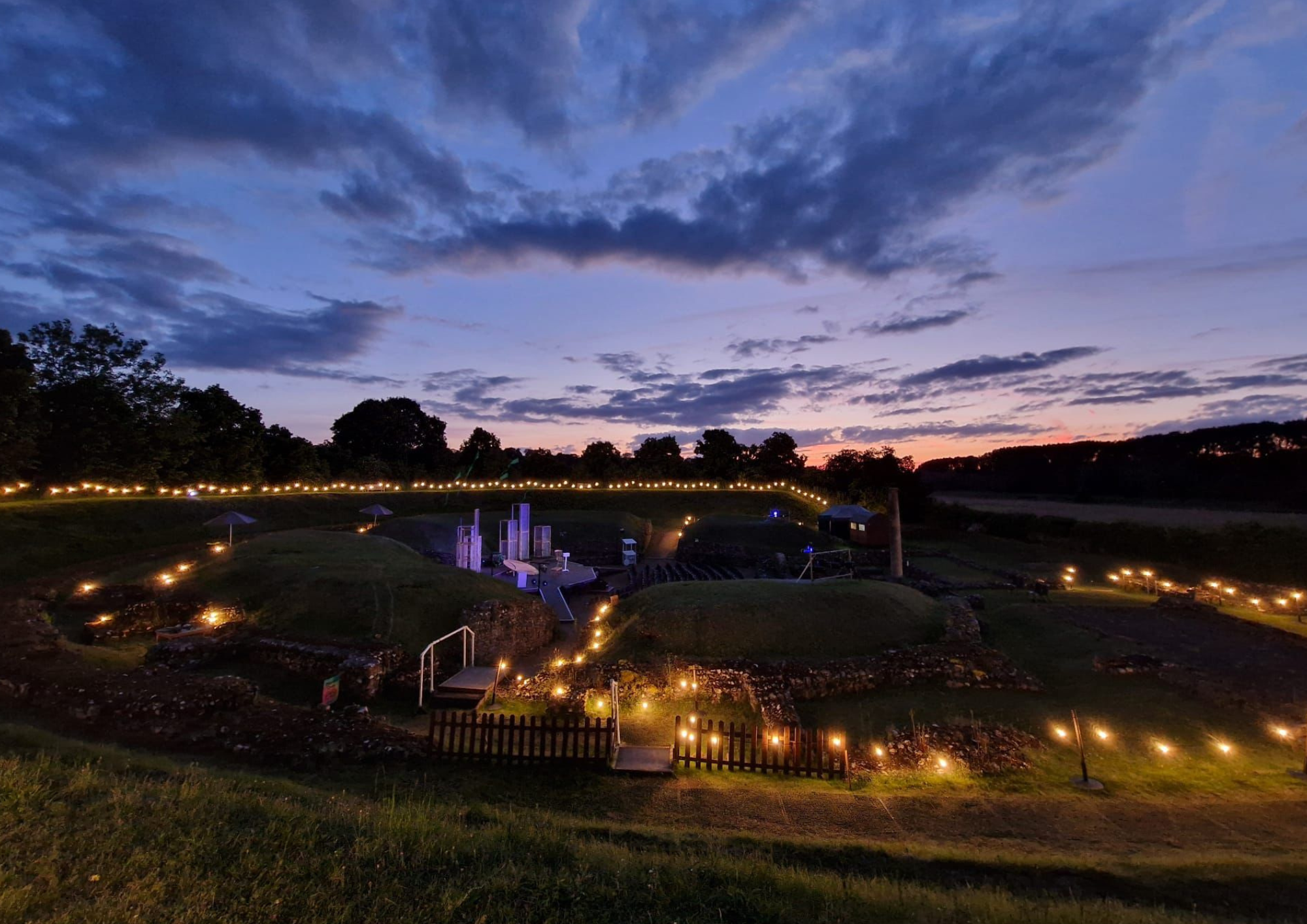
If you want to balance the eating and browsing with museums, St Albans Museum + Gallery makes an easy stop in the city centre, with permanent displays and changing exhibitions inside a handsome former civic building. A little further out, Verulamium Museum and Verulamium Park bring the city’s Roman past into sharper focus. The park itself is worth the walk for its broad green space and calmer pace, but it is the reminder that this was once Verulamium, one of Roman Britain’s major cities, that gives the area its particular character. The Roman Theatre of Verulamium adds another dimension, offering one of the city’s most distinctive historic sites between café stops and pub lunches.
What makes all of this work so well for a weekend break is the way the city’s attractions never feel disconnected from its food culture. You are never far from a bakery, a coffee stop, a pub or somewhere to pause for something sweet, which means the day can unfold at a pleasingly unhurried pace. In St Albans, eating well is part of the experience, but so is the pleasure of moving between Roman remains, market stalls, museum galleries and old streets that still feel lived in rather than staged.
Photograph: Bruno Pujos
Where to eat and drink in St Albans
One of the reasons St Albans works so well for a weekend away is the sheer variety of places to eat and drink within a compact, walkable centre. Over the course of a couple of days, you can move from pastries and speciality coffee to deli lunches, historic pub meals, market treats and destination-worthy dinners without ever feeling as though you are forcing the itinerary. The food scene is broad, but it still feels rooted in independent businesses, long-established local favourites and a strong sense of place.
For breakfast or a slower start to the morning, the independent bakery and café scene is a strong one. Artoplasia is a good first stop for Greek pastries, desserts and savoury bakes, while Proto Artisan Bakery and Glaze Bakery add further temptation for anyone drawn to good bread and beautifully made sweet things. Toast is ideal for a casual brunch, while George Street Canteen and Marmalade help round out St Albans’ relaxed café culture with the sort of places that invite you to settle in for a while rather than rush through a coffee.
Photograph: St Albans Markets / Eat Wholefoods
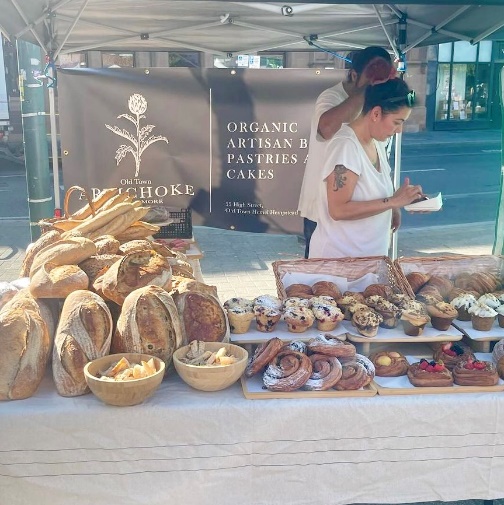
If you prefer to graze as you explore, the markets and delis offer plenty of ways to eat more spontaneously. St Albans Charter Market, held on Wednesdays and Saturdays, remains central to the city’s character, while the Second Sunday Market brings together local food and drink producers alongside sustainable crafts. For deli-style lunches and provisions, Silver Palate is one to have on your list, and the wider market atmosphere makes it easy to shape a day around browsing and eating as you go.
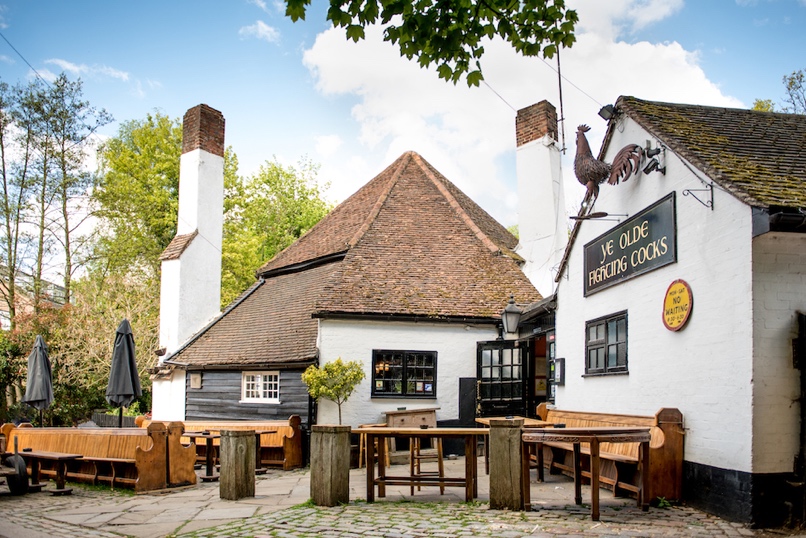
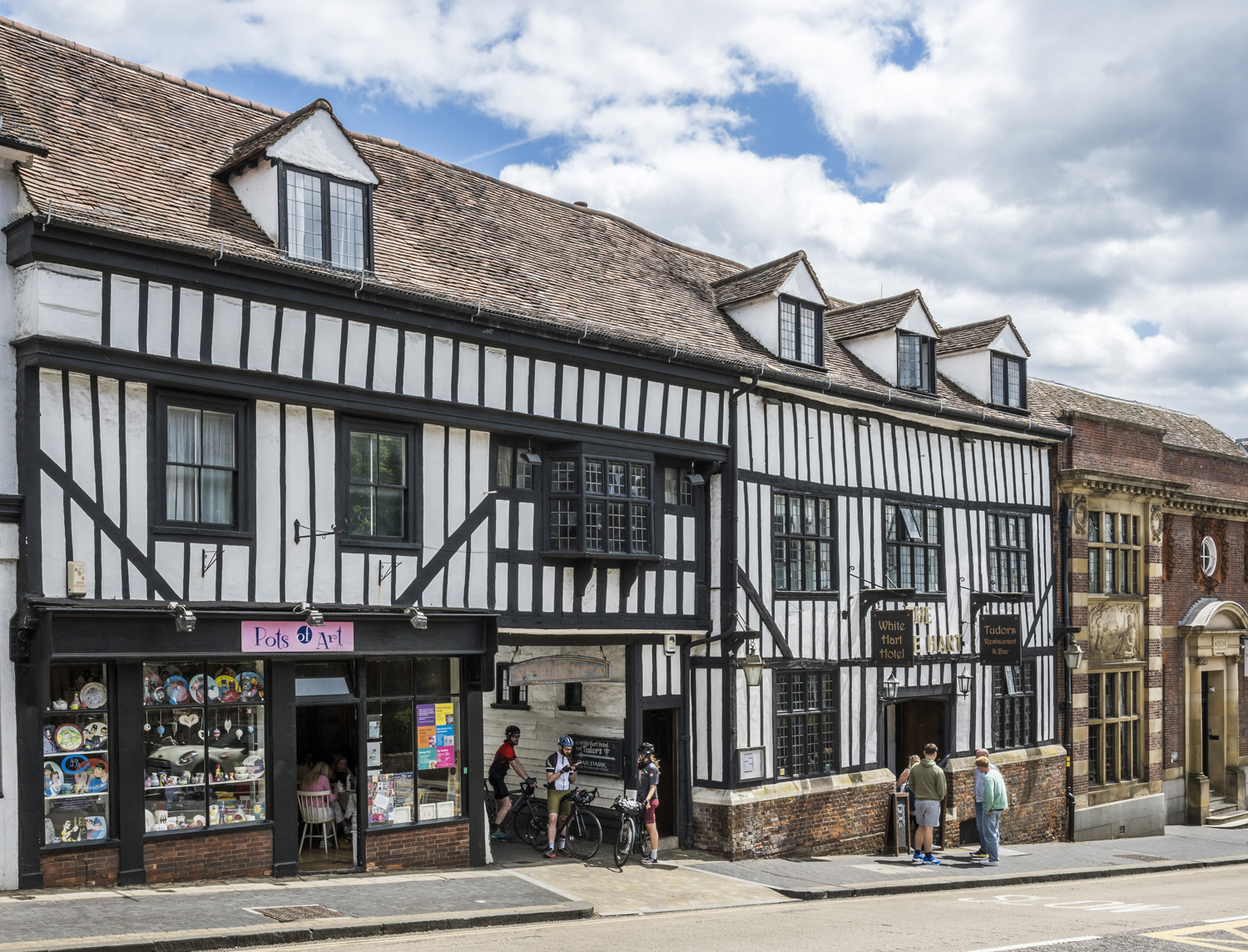
Historic pubs are another essential part of eating in St Albans. The city’s long relationship with hospitality is one of the things that gives it so much character, and that history still shows in its pubs and inns. Ye Olde Fighting Cocks is among the best known, while Sean Hughes describes St Albans as a place where you can “do a pub crawl in almost every era of history”, which feels like a fair summary of its appeal. The Boot is another name worth knowing, especially for its tacos and craft beer offering, while The Mermaid, The Six Bells and Verulam Arms all add to the sense that a proper pub meal belongs in any St Albans weekend.
Photograph: Stephanie Belton
For dinner, St Albans offers more range than you might expect from a place of this size. There are international options that make the food scene feel varied and contemporary, from Turkish and Mediterranean cooking to Thai, Malaysian, Moroccan and Detroit-style pizza. If you want something a little more destination-worthy, Sean Hughes’s newer opening, Ibēros, brings Iberian inspiration to the cathedral quarter, while Dylans at The Kings Arms is singled out for its ex-dairy beef. Elsewhere, Japes is a good shout for a more relaxed lunch or dinner stop, and the overall impression is of a place where eating out can be as casual or as occasion-led as you want it to be.
Then there are the sweet stops, which really do deserve room in the weekend. Waffle Wands brings a more playful note, with its waffles on a stick and family-friendly energy, while Abbot’s Kitchen offers a more rooted St Albans experience through the city’s historic association with the Alban Bun, often described as the forerunner to the hot cross bun. That combination of novelty and tradition feels very St Albans: a place happy to embrace new ideas while still making the most of its long culinary history.
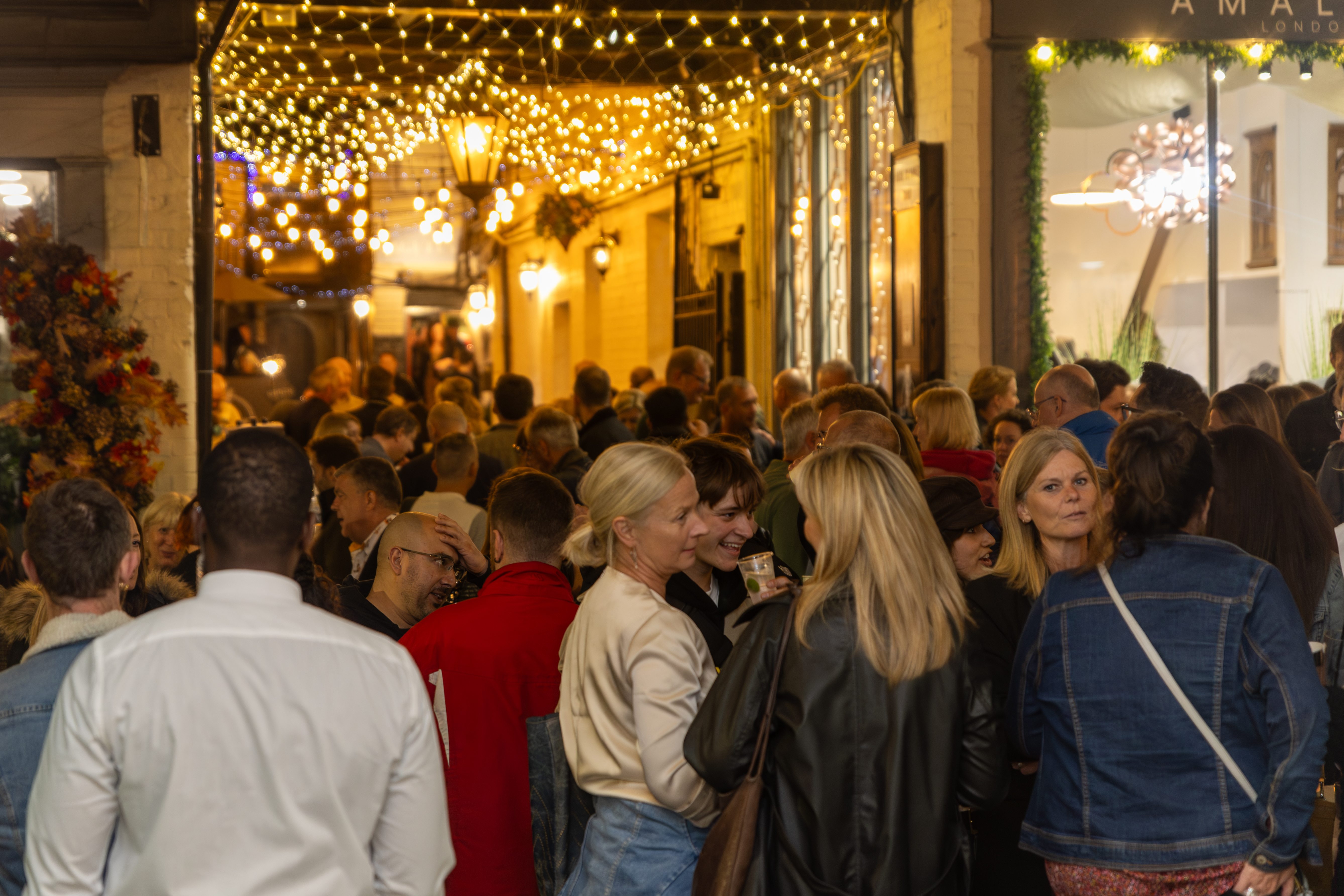
Photograph: Toby Shepheard
The St Albans food scene: what makes it special
What makes St Albans stand out is not simply that there are plenty of places to eat, but that the food scene feels so closely tied to the city’s identity. This is a place where market culture, historic buildings and independent businesses still shape the experience of eating out. You are not moving between anonymous chains or one-note “destination dining” spots. Instead, you are stepping into cafés, pubs, bakeries and restaurants that feel connected to the wider character of St Albans itself.
That sense of continuity comes through particularly strongly in the city’s pubs. Sean Hughes, who owns The Boot, Dylans at The Kings Arms and Iberos, describes St Albans as a place that has welcomed residents and visitors for thousands of years, from Roman times to the present day. He also makes the point that few places outside London can offer such a concentrated sweep of pub history, with venues housed in buildings from almost every century. That layering of hospitality and heritage gives eating and drinking here a depth that feels quite different from a more purely trend-led food destination.
But St Albans is not looking backwards alone. One of its strengths is the way long-established history coexists with a lively independent food culture. The wider press material notes that more than half of the city centre’s food businesses are independently run, many by families with culinary traditions shaped over generations. That mix of continuity, personal ownership and variety helps explain why the city feels so welcoming to eat your way around over a weekend.
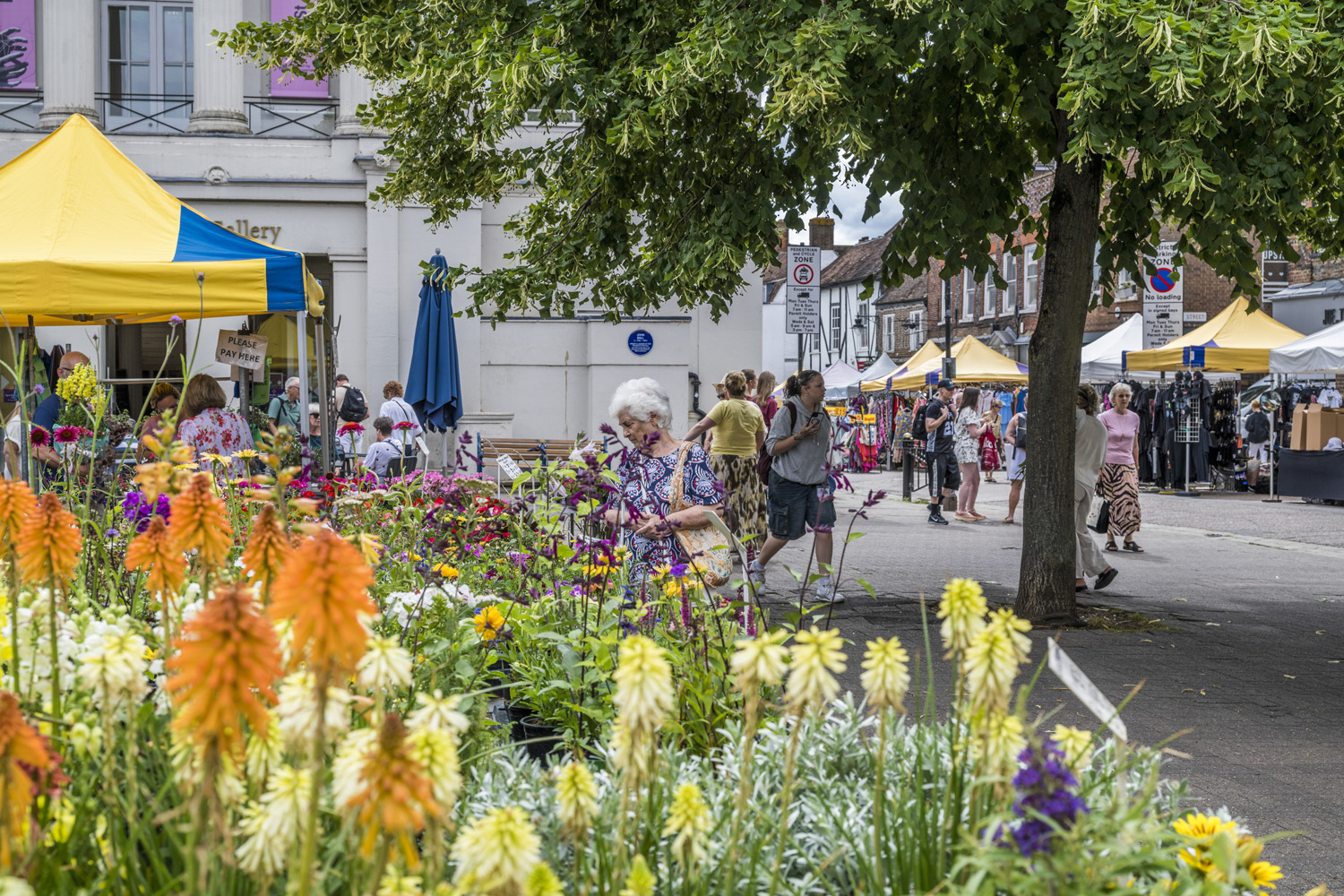
Photograph: Ricky Barnett
The market remains central to that story. St Albans Charter Market has been part of the city for more than a thousand years, and there is still something especially appealing about building a day around its rhythm: browsing, eating on impulse, chatting to traders and letting the city unfold from one stop to the next. For Carmelo Mariosa of Papa Paella, who has traded in St Albans for eleven years, the market-day atmosphere is part of what makes the city special. He describes an “incredible buzz” that brings people together to eat, shop and explore, which feels like exactly the right description of St Albans at its best.
There is also a strong feeling of community behind many of the businesses here. Waffle Wands, which grew out of the St Albans market and local events, speaks of the city in notably warm terms, describing a place where the food scene keeps evolving and local pride runs deep. That sense of connection matters. It means the city’s eating culture does not feel performative or overly polished; it feels lived in, supported and genuinely local.
Perhaps that is the real appeal of St Albans as a food destination. It offers range, certainly, from pastries and deli lunches to tacos, steaks, waffles and Iberian-inspired small plates, but it also offers context. Meals come with market squares, medieval streets, Roman remains and cathedral views. The result is a place where food is not the whole story, but very much one of the best ways into it.
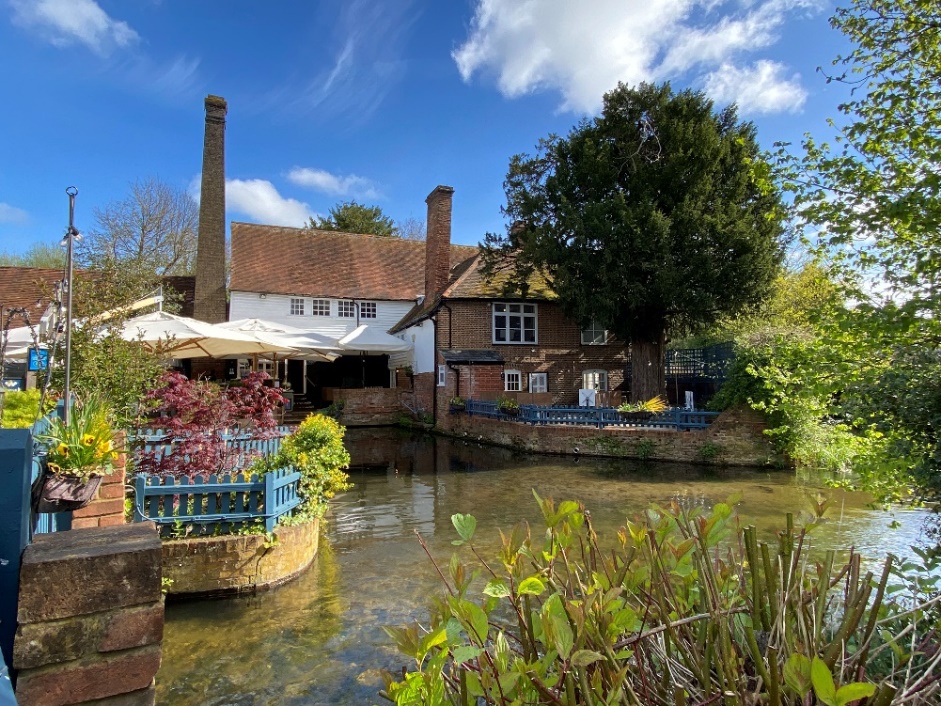
Photograph: St Albans BID
Packing tips for a weekend in St Albans
Because St Albans is such a walkable city, it is worth packing for a day that moves easily from market browsing and museum stops to cafés, pubs and dinner. Comfortable shoes are a must, especially if you plan to spend time around the cathedral quarter, Verulamium and the city centre on foot. A crossbody or satchel-style bag is also useful for carrying the essentials without feeling weighed down, particularly if you want room for a reusable water bottle, sunglasses and a light waterproof or compact umbrella for changeable weather. If you are visiting on a market day, it is also handy to leave a little spare room in your bag for deli finds or sweet treats picked up along the way.
Planning your St Albans weekend
St Albans is an easy place to turn into a relaxed weekend away, not least because it is so straightforward to reach. Just twenty minutes by train from London, and well positioned for the M1, A1(M) and M25, it works equally well as a spontaneous day trip, an overnight stay or a slower weekend break with plenty of time for long lunches, market browsing and a few historical detours in between. Once you arrive, much of the appeal lies in how walkable the centre is. Many of the key food stops, historic sights and shopping streets sit comfortably within strolling distance of one another, which makes it easy to explore without overplanning. St Albans is a very walkable city, so if you are travelling from London or nearby, it is well worth booking the train and leaving the car at home for the weekend.
If you want to catch the city at its liveliest, it is worth planning around market days. St Albans Charter Market takes place on Wednesdays and Saturdays, while the Second Sunday Market focuses on local food, drink and sustainable arts and crafts. Those days give the city an extra sense of energy and are especially good if you want to build your visit around grazing, shopping and soaking up the atmosphere rather than sticking to a fixed restaurant itinerary.
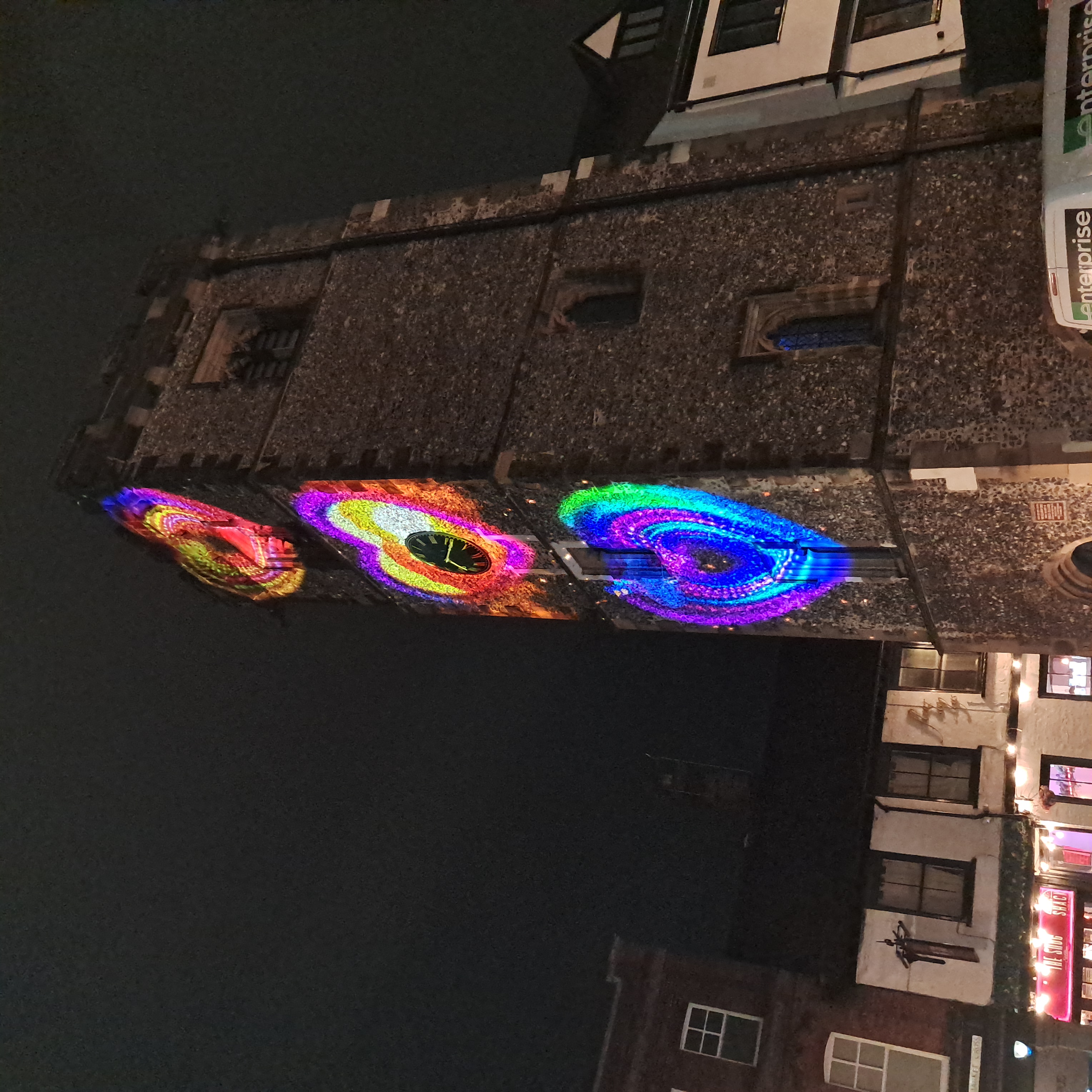
Photograph: St Albans City Centre BID
Accommodation is varied enough to suit different kinds of breaks, from centrally located hotels to more luxurious options if you want to make a proper weekend of it. The White Hart Hotel and the Samuel Ryder Hotel are convenient for staying near the heart of town, while places such as St Michael’s Manor and Sopwell House offer something more indulgent. That range makes it easy to tailor the trip, whether you are after a simple base for eating your way around the city or a more polished escape with dinner, drinks and a comfortable overnight stay. If you are planning to stay overnight, booking a hotel near the city centre makes it much easier to explore St Albans on foot and make the most of its cafés, pubs and historic sights.
For the best experience, it is worth leaving some room in your plans. St Albans is at its best when there is time to linger over coffee, wander into a deli or bakery on instinct, climb a tower for the view, or pause for something sweet between the cathedral quarter and Verulamium. A Google My Map is particularly useful here, helping you plot the main food stops and sights while still keeping the weekend flexible enough to feel like a break rather than a checklist.
Map for a weekend of eating and exploring in St Albans
This map brings together the main food stops, historic sights and sweet detours featured in this guide, making it easier to plan a relaxed weekend in St Albans. Use it to plot your route between the market, cathedral quarter, Verulamium and some of the city’s most distinctive independent places to eat and drink.
FAQs about a weekend in St Albans
Is St Albans good for a day trip from London?
Yes. St Albans is close enough to London for an easy day trip, but there is also more than enough here to justify a slower overnight stay or weekend away.
Is St Albans worth visiting for food lovers?
Yes. St Albans combines independent cafés, bakeries, historic pubs, market culture and a growing restaurant scene, all within a compact and walkable city centre.
Is St Albans a walkable city?
Yes, St Albans is very walkable, which is one of the things that makes it such an appealing place for a day trip or weekend away. Many of the main food spots, historic sights and shopping streets are easy to reach on foot.
When is St Albans Market on?
St Albans Charter Market takes place on Wednesdays and Saturdays. The Second Sunday Market is also worth looking out for if you want to time your visit around local food, drink and artisan stalls.
What are the best things to do in St Albans between meals?
A weekend in St Albans can easily include the cathedral, Clock Tower, Museum + Gallery, Verulamium Museum, Verulamium Park and the Roman Theatre of Verulamium, alongside time spent exploring the city’s historic streets.
Is St Albans good for an overnight stay?
Yes. Staying overnight gives you more time to enjoy the markets, cafés, pubs and restaurants at a relaxed pace, while also making room for the city’s Roman history, museums and green spaces.
Is St Albans good for couples, solo travellers or families?
Yes. St Albans works well for all three. Couples will find plenty of atmosphere in the cathedral quarter and historic pubs, solo travellers can explore the city easily on foot, and families have parks, museums, markets and sweet stops to help break up the day.
Photograph: Ricky Barnett
Final thoughts on a weekend in St Albans
For anyone looking for a weekend away that combines history, atmosphere and genuinely good places to eat, St Albans makes an easy case for itself. You might come for the market, the cathedral and the Roman past, but it is often the pastries, pub lunches, deli finds and independent restaurants that stay with you. Compact, characterful and very easy to enjoy at walking pace, it is the kind of place that rewards arriving hungry and leaving plenty of room for one more stop.
Stay in Touch
Culinary Travels publishes destination guides, seasonal recipes, and food-led travel features from the UK and beyond.
Follow for new articles and updated travel resources:
Facebook | Instagram | Pinterest
Newsletter
Receive new guides, recipes, and occasional travel planning notes by email: Subscribe here
Reader feedback and local recommendations are always welcome via the contact page.
©2026 Culinary Travels. Culinary Travels is written and edited by Georgina Ingham | Website designed by The Smarter Web Company
What Our Followers Say
"Oh yum!!! I could eat one or two right now!"
Sami Tamimi
"Georgina was great to work with, quick to respond, and is an excellent content writer - would highly recommend collaborating with her!"
Nick S, Get Blogged
Our list of things to do in Cork has just expanded hugely thanks to Culinary Travels.
Triskel Art Centre Cork