
Blog


Beyond the Slopes: Exploring the Cultural & Culinary Heart of French Ski Trips
This feature was produced with support from a commercial partner. Editorial control remains with the author. Some links in this post are affiliate links, which means I may earn a small commission at no extra cost to you.
There’s a satisfying symmetry to a French ski trip: crisp mountain air on your cheeks, and something warm, fragrant, and unmistakably local waiting at the end of every run. The Alps and Pyrenees aren’t just playgrounds for winter holiday sports — they’re living cultural landscapes where centuries-old food traditions still shape daily life. When planning ski holidays in France, food lovers discover exceptional opportunities to taste a place as deeply as they explore it. Think steaming bowls of farmhouse dishes, markets stacked with regional specialities, and après-ski rituals that feel almost ceremonial. A journey like this moves far beyond sport; it becomes a story of flavour, community, and the subtle ways culture weaves itself into every plate and piste.

Alpine Culinary Traditions in the French Mountains
Where heritage shapes every plate
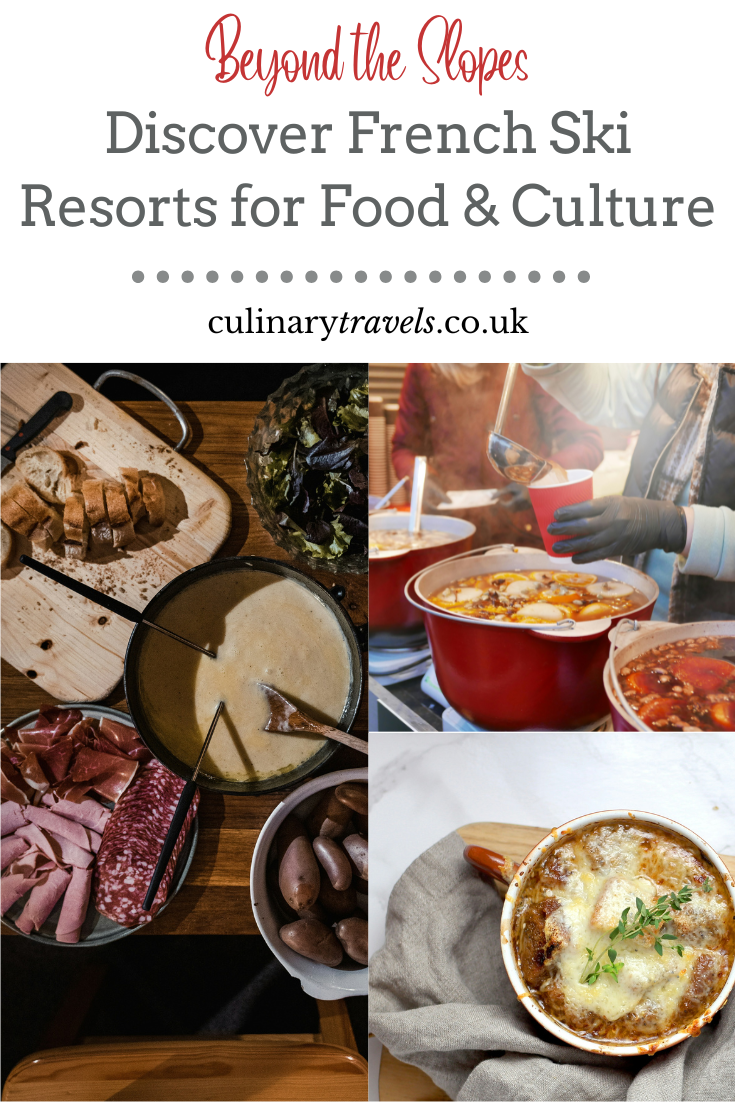
High-altitude cooking in France is born from necessity, shaped by seasons, and perfected by generations who knew how to make comfort both practical and luxurious. Classic dishes like Tartiflette, Fondue Savoyarde, and Raclette aren’t merely après-ski indulgences; they’re edible echoes of a time when mountain communities depended on hearty, preserved, and deeply calorific foods to withstand winter’s unforgiving grip. Reblochon melted into potatoes, Beaufort shaved over crusty bread, Comté paired with smoked meats — these flavours tell the story of a landscape where cattle, pastures, and craftsmanship define daily life.
It’s little wonder that, as Escapism Magazine notes, France remains the top ski destination for British travellers. Millions flock to these mountains each year not only for the thrill of fresh powder but for the familiar ritual of gathering around bubbling pots and rustic platters. After long days carving down the slopes, communal meals become a kind of ceremony — a way to share warmth, swap stories, and celebrate the regional produce that has nourished Alpine villages for centuries.
This melding of tradition, terrain, and table is part of what makes skiing in France feel so rooted, so human, and so irresistibly delicious.

The Region and Resort Culture Beyond the Slopes
Life in the mountains moves to its own rhythm
A French ski holiday is shaped as much by the character of its setting as by the terrain itself. The culture of a resort — its village traditions, its carved-wood architecture, its winter festivals, its après-ski rituals, and even the cadence of the surrounding landscape — quietly transforms the trip into something richer than a week of physical adventure.
Choosing to stay in an authentic Alpine village rather than a purpose-built resort changes everything. It pulls you into a world where centuries-old customs still mark the days: cheesemakers setting up at the weekly market, church bells drifting through narrow lanes, families gathering for winter celebrations rooted in pastoral life. Traditional chalets with sloping roofs and intricate balconies feel like living pieces of history. Even the silhouette of those bulbous church spires against the snow contributes to that unmistakable sense of place.
Many villages across the French Alps continue to honour seasonal festivals and local customs that bring visitors closer to mountain life rather than leaving them on the periphery. Lantern-lit winter processions, harvest-inspired celebrations, and community gatherings offer a glimpse into a heritage carried proudly through generations.
In these moments, skiing becomes more than a sport; it becomes a cultural immersion stitched into the fabric of mountain life.

Dining Experiences and Local Produce on Your Skiing Holiday
Where the landscape flavours every meal
When planning ski holidays in France, food lovers discover exceptional opportunities to step directly into the heart of Alpine gastronomy. Many resorts are surrounded by working farms and traditional fromageries, where cheesemakers practise techniques passed down through generations. Watching wheels of Reblochon or Tomme being turned by hand gives a powerful sense of how closely food, land, and culture intertwine in these mountains.
Vineyards in Savoie — clinging to slopes almost as steep as the pistes themselves — offer another window into the region’s identity. A glass of Jacquère or Mondeuse carries the imprint of altitude, soil, and the dramatic climate that shapes these wines into something unmistakably local. Pair that with a charcuterie board or a wedge of Beaufort, and you’re tasting the landscape as much as the ingredients.
Dining on the mountain ranges from the satisfyingly rustic to the beautifully refined. Some restaurants can only be reached on skis, rewarding the journey with slow-cooked stews, bubbling cheese dishes, or platters of smoked meats served beside wood-burning stoves. At the other end of the spectrum, Michelin-starred establishments reinterpret Alpine traditions with contemporary creativity — but still anchor every plate in local produce and the region’s culinary heritage.
Whether you’re sharing a simple farmhouse lunch or sitting down to a chef’s tasting menu, the experience is shaped by terroir — that intricate relationship between place, climate, and the flavours that emerge from it. In the French Alps, food doesn’t just fuel the day’s adventures; it tells the story of the mountains themselves.

Contemporary Trends, Sustainability and the Future of Alpine Food Culture
Tradition meets a changing world
Alpine food culture is never static. As visitor numbers rise and conversations about sustainable travel become more urgent, the mountains are quietly reshaping their culinary identity. One of the most striking shifts is the move towards farm-to-table dining, where mountain restaurants work directly with local farmers, cheesemakers, and growers. This approach does more than reassure diners about provenance; it helps safeguard traditional methods and keeps small-scale producers at the heart of the regional economy.
Across the French Alps, there’s a growing appreciation for experiences that feel rooted rather than manufactured. Travellers from the UK, in particular, increasingly seek out authentic, environmentally aware trips — places where development doesn’t overshadow heritage, and where the food on the table reflects both the history and the future of the region. Resorts that prioritise responsible growth, invest in local supply chains, and celebrate cultural traditions tend to leave a deeper impression than those built purely for convenience.
The challenge ahead is delicate: preserving the unmistakable identity of Alpine villages while welcoming visitors who sustain them. As chefs champion local ingredients, as producers continue to use age-old techniques, and as travellers make more conscious choices, the future of Alpine cuisine looks set to be a thoughtful blend of innovation and respect. In many ways, it mirrors the mountains themselves — resilient, evolving, and always shaped by the human stories woven through them.

Choosing the Right Resort for Your Alpine Experience
Where the skiing shapes your days and the flavours shape your evenings
French ski resorts each have their own culinary personality, and choosing the right one can completely transform the feel of your trip. The country’s vast, snow-sure ski areas pair naturally with villages and towns where food traditions run deep, and après-ski becomes as memorable as the pistes themselves.
In Avoriaz, the car-free streets and timbered façades create a warm, tucked-away world that seems tailor-made for comforting Alpine classics. Tucked into the Portes du Soleil, it’s the kind of place where you ski straight to chalets serving creamy Fondue Savoyarde, crisp pommes frites, and rich tartiflette that feels like a reward for simply being out in the cold. It’s ideal for families and beginners who want laid-back skiing followed by dishes that taste like tradition.
Les Deux Alpes hums with energy, and its food scene follows suit. Between glacier descents and wide-open runs, you’ll spot laid-back brasseries and mountain huts offering their own takes on classic Alpine plates — slow-cooked stews, raclette with a contemporary twist, and pâtisserie that somehow tastes even better in the thin mountain air. Its lively, varied dining makes it great for mixed-ability groups.
A little further afield, Les Arcs offers a balance of modern slope design and easy access to some of the region’s most flavour-driven dining. The villages scattered across the mountain each bring their own atmosphere, from relaxed bakeries perfect for a morning croissant to welcoming restaurants serving Beaufort cheese dishes rooted firmly in Tarentaise tradition. It’s a place where the panorama and the plate share equal billing. For travellers arriving via Lyon, transfers from Lyon to Les Menuires make reaching this charming ski area straightforward, letting you dive into its slopes and Savoyard cuisine without the stress of navigating mountain roads. Les Menuires combines a sprawling network of sun-drenched pistes with a village full of character — après-ski is as much about hearty tartiflettes and raclette as it is about cosy bars where locals and visitors swap stories over vin chaud. It’s a spot that balances family-friendly slopes with a vibrant culinary scene, letting you ski hard and dine even harder.
For those craving a more classical Alpine ambience, Megève delivers elegance with a culinary heartbeat. Its cobbled streets, horse-drawn sleighs, and chalet-lined squares make it one of the most atmospheric villages in the Alps, and the food culture follows suit. Here, mountain gastronomy leans refined — think decadent fondues, beautifully prepared game, and polished dining rooms celebrating Savoyard produce. Wandering its illuminated central square at Christmas feels like stepping into a postcard scented with vin chaud and butter.
And then there’s Chamonix, with a dining landscape as varied and adventurous as its terrain. Michelin-level refinement sits comfortably beside long-standing bistros serving diots in red wine, tartiflette, and generous charcuterie. After a day exploring legendary off-piste routes, settling into a warm dining room with a glass of Mondeuse becomes a ritual in itself.
Across France, the joy lies in the choice: from rustic mountain fare to elegant gastronomy, each resort offers its own reading of Alpine culture; there's certainly a destination that matches both your appetite and your skiing style.

Budget-Friendly Skiing and Dining
How to enjoy the French Alps without breaking the bank
Skiing in the French Alps doesn’t have to come with a hefty price tag. Resorts offer options for all abilities and budgets, from cosy self-catered chalets to mid-range hotels and luxury lodges. Budget-conscious travellers can still savour Alpine cuisine by visiting village markets, local bakeries, and mountain refuges where traditional dishes are hearty, affordable, and authentically prepared. Even on a tighter budget, it’s possible to experience guided cheese tastings, seasonal events, and communal meals that connect visitors with local culture. Planning ski holidays in France with flexible accommodation and dining choices ensures that every traveller, regardless of budget, can enjoy exceptional slopes, rich gastronomy, and memorable mountain traditions.

Luxury Skiing and Gourmet Indulgence
Slope-side sophistication and high-end Alpine experiences
For travellers seeking a more indulgent Alpine adventure, French ski resorts offer a wealth of luxury options. From five-star chalets with private chefs to Michelin-starred mountain restaurants, the French Alps combine world-class skiing with unforgettable culinary experiences. Resorts like Les Arcs cater to all abilities while providing high-end amenities, including spa retreats, wine-paired dinners, and exclusive guided food tours. Even in a luxury setting, the focus remains on celebrating local ingredients—think rare Alpine cheeses, artisanal charcuterie, and seasonal delicacies—served with finesse. For food-loving skiers, the combination of refined slopeside experiences and gourmet indulgence makes every holiday a seamless blend of adventure, comfort, and culture.

Seasonal Highlights and Festivals
Celebrations and markets that bring mountain life to the slopes
Skiing in France is about more than powder and pistes—seasonal events bring the mountains to life. From twinkling winter markets offering local preserves, mulled wine, and handcrafted gifts, to traditional celebrations like the Fête de la Transhumance, where villages honour the annual movement of livestock to and from the high pastures, there’s a rhythm to Alpine life that captivates visitors. The Christmas season adds an extra layer of magic: village squares are illuminated with festive lights, carol singers fill the air with song, and seasonal treats like pain d’épices and roasted chestnuts make every stroll through snow-covered streets feel enchanting. Timing your trip to coincide with these festive events allows for immersive cultural experiences—sampling regional delicacies, enjoying folk music, and joining locals in age-old customs. Even in well-known resorts like Les Arcs or the illuminated central square of Megeve on Christmas Eve, seasonal celebrations provide unforgettable moments of warmth and connection.

Family and Group-Friendly Experiences
Culinary adventures that unite visitors of all ages
French ski resorts cater to travellers of all ages, and food is a perfect way to unite families and groups after a day on the slopes. Young visitors can enjoy hands-on workshops at working farms, such as butter-churning, cheese-tasting, or chocolate-making classes, while adults explore local wine tastings or gourmet mountain huts. Multi-generational groups find comfort in rustic chalets where communal meals—think a hearty fondue or Raclette shared by the fire—become a highlight of the trip. Even when skiing is for the adults, the surrounding villages provide culinary excursions and gentle walks that let the whole family savour the mountains together.

Après-Ski Culinary Culture
Hot drinks, hearty snacks, and social rituals after the final run
Après-ski is more than a tradition—it’s a lifestyle. In France, the hour between leaving the slopes and dinner is filled with vin chaud (mulled wine), charcuterie boards, and freshly baked pastries enjoyed in cosy chalets or lively village bars. Mountain cafés and taverns often host live music, storytelling, or tasting evenings, creating a perfect bridge between the adrenaline of the slopes and the calm of a shared meal. Whether it’s a glass of Savoie wine at a sunlit terrace in a large resort or hot chocolate by the fire in a smaller village, après-ski dining transforms every day into a sensory celebration of place and community.

Hidden Gems and Off-Piste Experiences
Discovering tucked-away eateries and artisan producers
While the main resorts draw skiers from across Europe, some of the most memorable culinary moments can be found away from the crowded pistes. Seek out family-run fromageries where cheesemakers welcome visitors to watch Reblochon, Beaufort, or Tomme de Savoie being aged, or artisanal bakeries producing traditional pain de campagne and croissants for early-morning hikers. Smaller mountain restaurants, often reachable by a scenic ski trail or a gentle walk, serve inventive dishes that honour local ingredients while offering a unique twist on classics. Les Arcs, for example, not only offers world-class skiing but also a cluster of hidden eateries where even seasoned skiers discover new tastes and traditions.

Practical Tips for Food-Loving Skiers
How to plan meals, tastings, and immersive food experiences
When planning ski holidays in France, food lovers discover exceptional opportunities—but a little preparation goes a long way. Booking dining experiences in advance ensures access to sought-after mountain huts or gourmet restaurants, while checking local market days helps time your visits for the freshest ingredients. Consider exploring ski + culinary packages offered by resorts like Les Arcs, which combine slope time with guided food experiences, or connect with local producers for farm visits. Embrace communal dining customs, try regional specialities, and don’t hesitate to ask chefs about ingredient provenance—these small gestures deepen both your culinary and cultural immersion.

FAQ
Skiing, Food and Culture in the French Alps
What makes French ski resorts unique for food lovers?
French resorts combine world-class skiing with a strong culinary identity shaped by mountain agriculture. Visitors can enjoy everything from traditional dishes like Tartiflette and Raclette to refined tasting menus in Michelin-starred restaurants. Many villages also have weekly markets, fromageries, and local producers offering an authentic introduction to regional food culture. Resorts like Les Arcs provide a huge choice for all abilities and budgets, ensuring every traveller can enjoy the food-focused side of their trip.
Are there specific regions in France known for exceptional ski cuisine?
The Savoie and Haute-Savoie regions are particularly celebrated for their food traditions, including cheeses such as Reblochon, Beaufort, and Tomme. The Tarentaise Valley, the Three Valleys, and the Portes du Soleil are known for combining excellent skiing with rich culinary heritage. Further south, the Hautes-Alpes offers a slightly different flavour profile influenced by Provençal ingredients. Small villages and hidden mountain refuges across all regions often reveal surprising local delicacies worth seeking out.
Is it possible to visit farms or cheesemakers during a ski holiday?
Yes. Many Alpine villages have working farms and traditional fromageries that welcome visitors for tours and tastings. These visits offer a closer look at age-old cheesemaking and allow travellers to connect with the agricultural traditions that define the region’s food. Booking in advance is recommended, especially during peak season, to ensure availability.
What is the typical price range for dining in French ski resorts?
Costs vary widely. Rustic mountain refuges are often reasonably priced, offering hearty dishes at accessible levels. Mid-range restaurants in villages provide good value, especially at lunchtime. Fine-dining or Michelin-starred options are more expensive, with tasting menus typically priced accordingly. Resorts such as Les Arcs offer options for all abilities and budgets, making it easy to mix casual and upscale dining throughout your stay.
Do French ski resorts cater to dietary requirements?
Most resorts now offer a range of vegetarian, vegan, and gluten-free options. Traditional dishes are cheese-forward and hearty, but many restaurants adapt their menus to meet modern dietary needs. Smaller, family-run establishments often highlight fresh, local ingredients, which can naturally cater to various diets. It’s still a good idea to check ahead.
What kinds of local drinks should travellers try?
Savoie wines such as Jacquère, Roussette, and Mondeuse are regional highlights, offering fresh, mineral-driven flavours that pair well with Alpine dishes. Warm drinks like vin chaud (mulled wine) and chartreuse-based cocktails are popular during après-ski. Local beers, herbal liqueurs, and artisanal ciders reflect the mountain environment and are worth sampling, especially in traditional village cafés.
Is après-ski culture the same across all French resorts?
No. Après-ski varies by region and resort. Larger, purpose-built areas like Val Thorens and Les Deux Alpes tend to have lively nightlife, while traditional villages offer a calmer, more community-focused atmosphere. Many travellers choose based on their preferred style, and some resorts also offer family-friendly après-ski activities, including food tastings and cultural events.
How do French resorts approach sustainability?
There is a growing movement toward environmentally responsible tourism. Many resorts partner with local farmers, reduce restaurant waste, invest in renewable energy, or limit overdevelopment to protect the landscape. Travellers can support sustainability by choosing eco-focused accommodations, eating local produce, and using public or shared transport where available. Companies like Heidi emphasise resorts that balance development with cultural and environmental preservation.
When is the best time to ski in France for both good snow and food experiences?
January to March usually offers the most reliable snow. February is the busiest due to school holidays, while March provides excellent skiing with slightly warmer weather—ideal for long lunches on sunny terraces. December has a festive atmosphere with Christmas markets and seasonal dishes, though snow conditions can vary. Early and late season trips often allow for quieter dining experiences and more intimate access to village markets.
Do beginners and families still have access to great food experiences?
Absolutely. Family-friendly resorts often have excellent dining options both on and off the mountain. Many villages offer easy walking access to bakeries, cafés, and markets, allowing even non-skiers or beginners to enjoy local cuisine fully. Resorts cater to all abilities and budgets, meaning everyone—from novice skiers to experienced enthusiasts—can experience the culinary side of the Alps.

Last Runs and Lasting Memories
Slope-side gastronomy and Alpine culture that linger long after your trip
A skiing holiday in the French Alps is about more than just the slopes. When planning ski holidays in France, food lovers discover exceptional opportunities—from sampling local cheeses and wines to dining in rustic mountain refuges—that immerse you in centuries of Alpine culinary tradition. Combine this with charming villages, enduring local customs, and breathtaking terrain, and every trip becomes a richly layered experience that stays with you long after the final run.

Note: Stock photography has been used from a variety of sources.
✨ Stay Connected with Culinary Travels ✨
Loved this post? 🍴 Don’t let the conversation end here! Join me for behind-the-scenes kitchen moments, foodie adventures, and plenty of inspiration:
👉 Facebook | Instagram | Pinterest
💌 Got thoughts, questions, or your own foodie stories to share? I’d love to hear from you — just drop me a note through my contact form.
📬 Hungry for more?
Subscribe to my newsletter for exclusive recipes, travel tips, and behind-the-scenes foodie fun: Sign up here
🌍 Sharing is caring! If this post made you hungry for more, please pass it along. Every share helps this little corner of the internet grow, and I’m so grateful for your support. ❤️



©2026 Culinary Travels. Culinary Travels is written and edited by Georgina Ingham | Website designed by The Smarter Web Company
What Our Followers Say
"Oh yum!!! I could eat one or two right now!"
Sami Tamimi
"Georgina was great to work with, quick to respond, and is an excellent content writer - would highly recommend collaborating with her!"
Nick S, Get Blogged
Our list of things to do in Cork has just expanded hugely thanks to Culinary Travels.
Triskel Art Centre Cork