
Articles


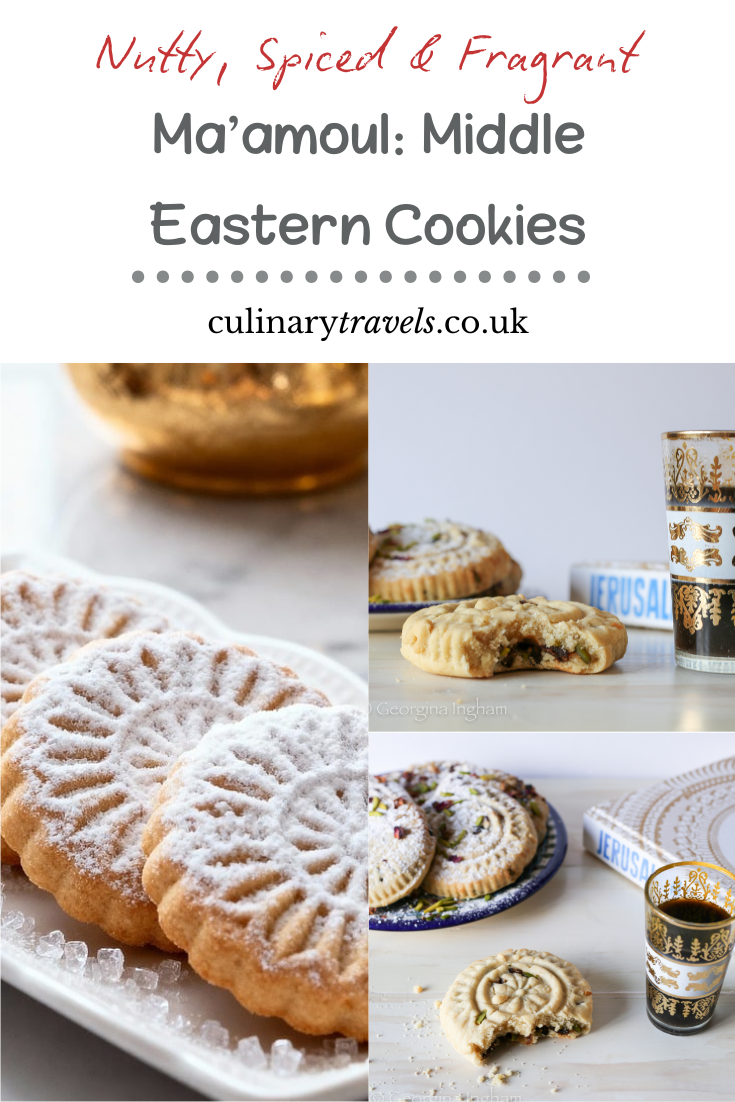
Ma’amoul Cookies – Soft Middle Eastern Date-Filled Eid Biscuits
Some posts on Culinary Travels may contain affiliate links, meaning I may earn a small commission at no extra cost to you. I only recommend products, places and experiences that fit the editorial tone and standards of the site.
Update Note: Originally published April 2016. Fully revised and retested in March 2026 with clearer instructions, updated timings and improved baking guidance.
I’ve been a little obsessed with Middle Eastern food lately, and for good reason: it’s a cuisine bursting with bold, unexpected flavours that linger long after the first bite. These Ma’amoul cookies are a perfect example—soft, delicately spiced shortbread biscuits filled with sweet dates and scented with rose water or orange blossom. Traditionally baked for Eid al-Fitr, they’re one of the most beloved celebratory treats across the Middle East.
One of my most treasured kitchen companions is Jerusalem by Yotam Ottolenghi and Sami Tamimi. Ever since I baked the Chocolate Krantz Cake, I’ve hardly gone a week without pulling this book from my shelf, cooking or adapting something from its pages. It’s a feast for the senses, filled with recipes that make the mouth water, stunning photography, glimpses of daily life, and enchanting stories of flavours from childhood.
“The flavours and smells of this city [Jerusalem] are our mother tongue: wild herbs picked on school trips, days in markets, the smell of dry soil on a summer’s day, goats and sheep roaming the hills, fresh pitas, chopped parsley, chopped liver, black figs, syrupy cakes, crumbly cookies.” – Ottolenghi & Tamimi
Ma’amoul (sometimes spelled maamoul or ma’amul) are traditional cookies enjoyed at the end of Ramadan during Eid al-Fitr, the festival that marks the end of the month-long fast. They are often filled with dates, pistachios or walnuts and shaped using beautiful carved moulds. Across the Arab world, they’re a symbol of celebration, hospitality and the joy of sharing sweet things with family and neighbours.
What Are Ma’amoul Cookies?
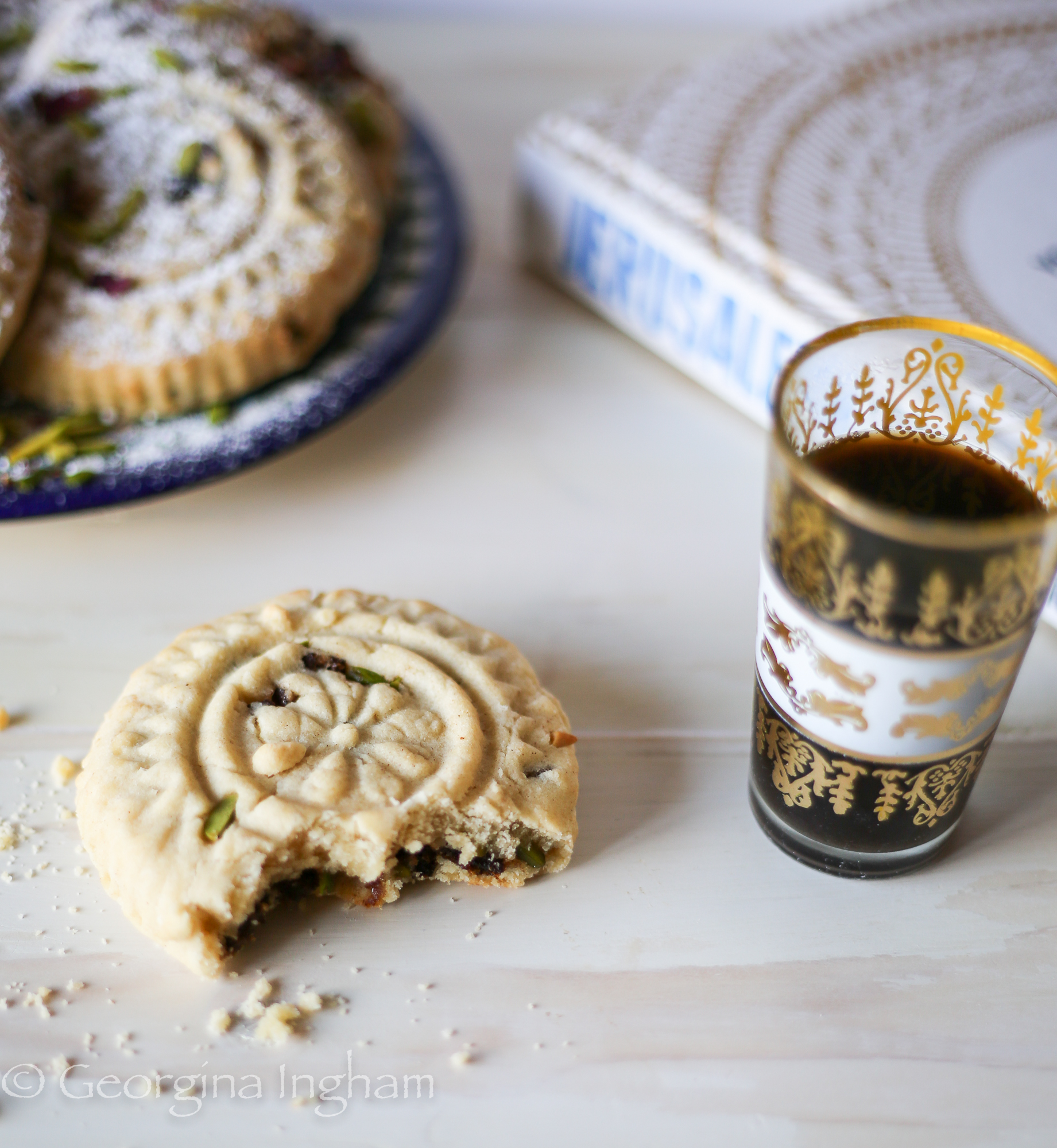
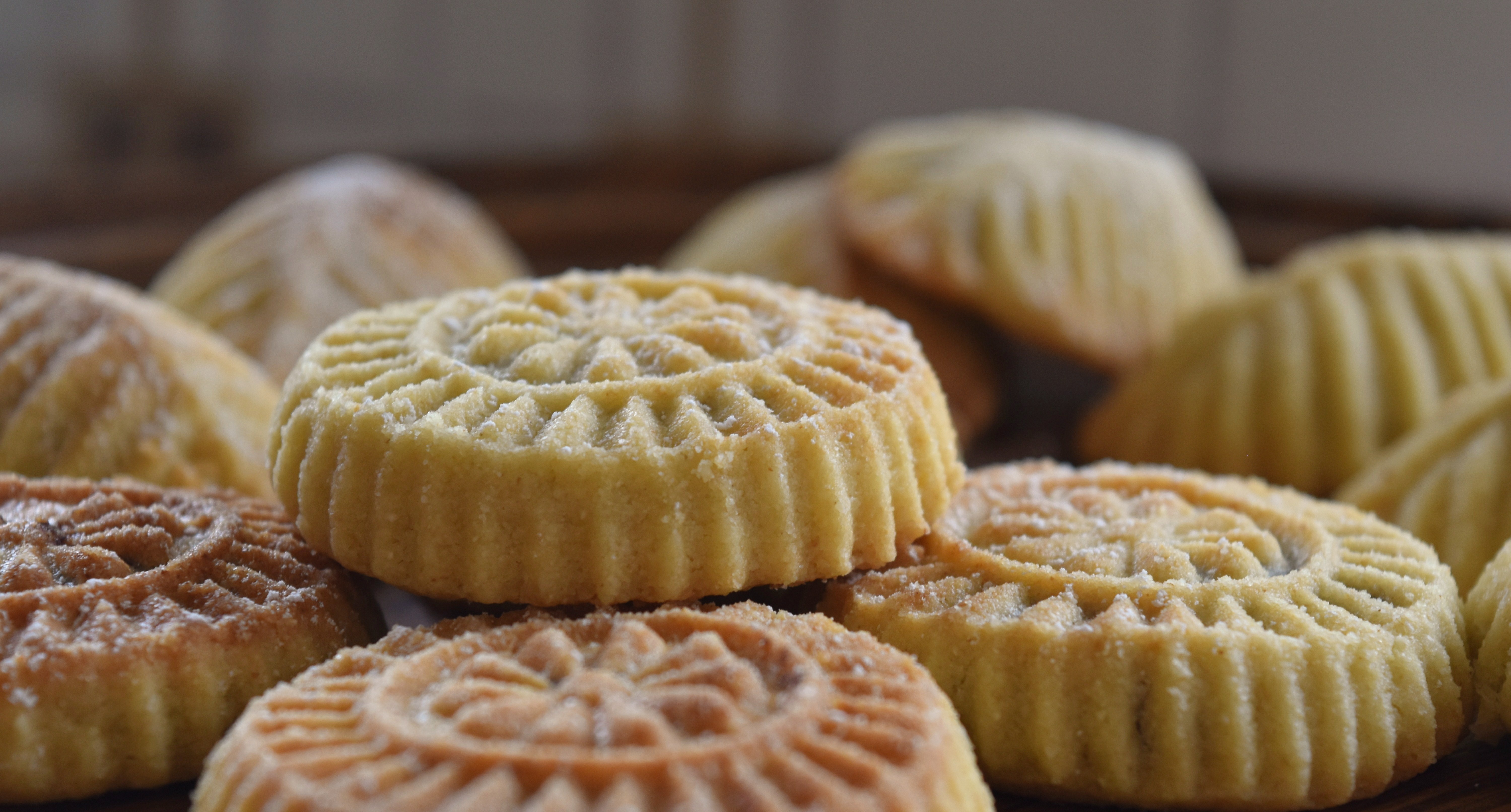
Ma’amoul cookies are delicate, crumbly shortbread-style biscuits that have been a beloved treat across the Middle East for generations. Traditionally made with semolina, and sometimes a touch of flour, these tender cookies are filled with dates, pistachios or walnuts, creating a soft, fragrant centre encased in a crisp shell. Each ma’amoul cookie is often pressed into intricate wooden moulds or carefully shaped by hand, with patterns ranging from geometric designs to floral motifs — every one a tiny work of edible art.
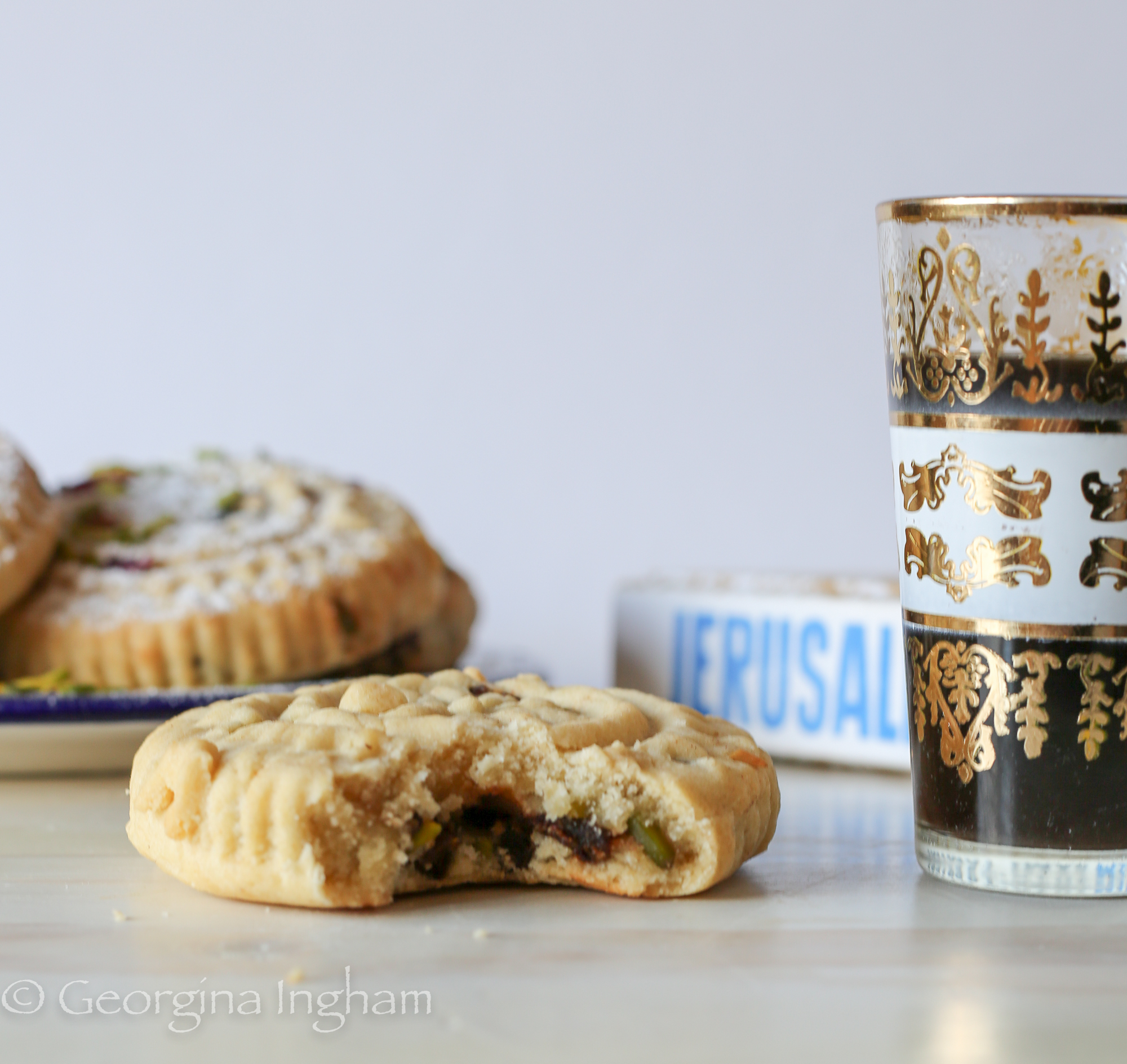
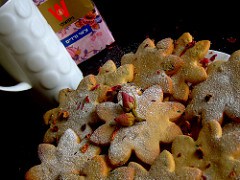
Once baked, ma’amoul cookies are often dusted generously with icing sugar, transforming them into little snowball-like treasures that look almost too pretty to eat. Bite into one and you’ll find a perfect balance of textures: a slightly crisp exterior that melts in your mouth, giving way to a rich, moist, aromatic filling. The subtle warmth of cinnamon, the floral whisper of rose water and the citrusy hint of orange blossom make them far more than a simple biscuit — they’re a sensory experience rooted in centuries of baking tradition.
Beyond their flavour, ma’amoul cookies carry stories and memory. They are the biscuits that mark festive gatherings, passed from hand to hand during Eid and shared with neighbours, friends and visiting family. In many households they are made together in bustling kitchens filled with conversation and laughter, where shaping each cookie becomes part of the celebration itself. Every batch holds not just a blend of ingredients, but a sense of hospitality, heritage and joy.
The Cultural Significance of Ma’amoul
Ma’amoul cookies are far more than a sweet treat — they are a ritual, a marker of celebration and a symbol of generosity and hospitality. In homes across the Middle East, these delicate biscuits are closely associated with Eid al-Fitr, the festival that marks the end of Ramadan. Baking ma’amoul is often a communal affair: generations gather in kitchens filled with laughter, conversation and the comforting aroma of butter, nuts and fragrant spices.
Food writer Sami Tamimi fondly recalls a woman the children called “Auntie,” who would visit every house in his neighbourhood towards the end of Ramadan to help families prepare ma’amoul. She guided the hands of mothers and daughters alike, teaching them the careful folding, pressing and filling that turn each cookie into a small work of art. Platters piled high with ma’amoul, dusted with icing sugar so they looked like little snowballs, were a common sight — ready to be offered to guests, gifted to neighbours or set aside for those who could not make their own.
These cookies carry with them the values of sharing and connection. Each batch is a reminder of patience, care and attention to detail, and the act of baking them becomes a way to pass down skills, stories and cultural memory from one generation to the next. They are festive, yes, but also deeply personal: every cookie reflects the hands that shaped it and the home in which it was made.
To bake ma’amoul today — even far from the Middle East — is to touch a thread of this rich culinary tradition. The cookies are not simply eaten; they are shared, gifted and savoured as part of a celebration that has brought families and communities together for centuries.
Types of Ma’amoul Cookies
Ma’amoul cookies are wonderfully diverse, with their variations often reflecting region, family tradition and personal taste. Traditionally, the biscuits differ in both filling and shape. Date-filled ma’amoul are usually round and slightly flattened, offering a soft, caramel-like sweetness that melts in the mouth. Nut-filled versions — often pistachio or walnut — tend to be domed, with a richer, slightly crunchy texture that contrasts beautifully with the delicate shortbread shell.
Across the Middle East, subtle regional differences also appear. In Lebanon and Syria, pistachio-filled ma’amoul are especially popular, often shaped into elegant domes and decorated with intricate mould patterns. In Palestine and Jordan, date-filled versions are particularly common, their deep caramel sweetness forming the heart of many family recipes passed down through generations.
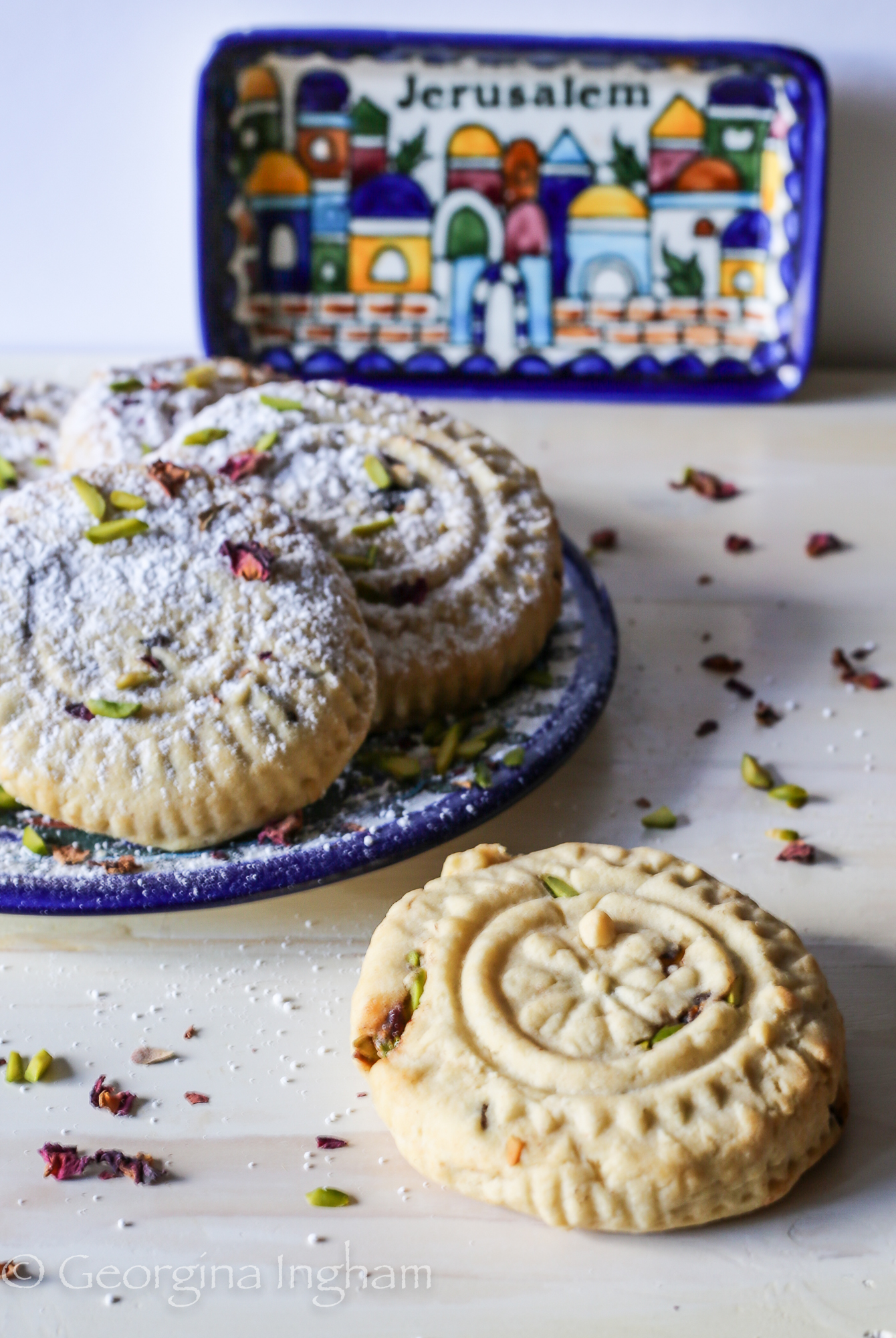
Some modern or adapted recipes, including the version I’ve shared here, combine dates and nuts in a single filling. The result is a more layered flavour: sweet from the dates, gently earthy from the nuts, and lifted by warm spices such as cinnamon. A touch of rose water or orange blossom adds the distinctive floral note that makes ma’amoul instantly recognisable.
Even within the same region, every family’s ma’amoul can look and taste slightly different. Some bakers press intricate floral or geometric patterns into the dough using carved wooden moulds, while others prefer a simple hand-shaped dome or a lightly fork-pressed design. The choice of nuts, the balance of spices and the amount of floral water all create subtle variations, meaning no two batches are ever quite the same.
In this way, ma’amoul are more than just cookies — they are personal expressions of culture, memory and home. Every bite carries the signature of the hands that shaped it and the traditions of the kitchen it came from.
Ma’amoul Cookies (Date & Pistachio Filling)
Prep time: 1 hour
Cook time: 15 minutes
Total time: 1 hour 15 minutes
Yield: About 30 cookies
These delicate, semolina-based shortbread cookies are filled with a fragrant blend of dates and pistachios and scented with rose water and orange blossom. Traditionally served for Eid celebrations, ma’amoul are soft, crumbly and lightly spiced, finished with a generous dusting of icing sugar that turns each one into a little snowball of sweetness.
Ingredients
For the dough
350 g semolina
40 g plain flour40 g caster sugar
180 g salted butter, cubed
2 tbsp orange blossom water
1 tbsp rose water
1 tbsp water
For the filling
200 g pistachios
45 g Medjool dates
50 g caster sugar
1 tsp ground cinnamon
1 tbsp orange blossom water
1 tbsp rose water
Method
Make the dough
1. Combine the semolina, flour and 40 g caster sugar in a large bowl.
2. Add the cubed butter and rub it into the dry ingredients with your fingertips until the mixture resembles coarse breadcrumbs.
3. Stir in 2 tablespoons orange blossom water, 1 tablespoon rose water and 1 tablespoon water. Bring the mixture together into a soft dough.
4. Knead gently on a clean surface for about 5 minutes until smooth.
5. Cover with a damp cloth and leave to rest for 30 minutes.
Prepare the filling
6. Place the pistachios, dates, 50 g caster sugar, cinnamon, 1 tablespoon orange blossom water and 1 tablespoon rose water in a food processor.
7. Blitz until a coarse, slightly sticky paste forms.
Shape the cookies
8. Preheat the oven to 180°C (350°F). Line a baking tray with parchment.
9. Divide the dough into roughly 30 pieces.
10. Roll each piece into a ball, then flatten slightly in your palm. Shape the dough into a small cup about 2.5 cm high.
11. Add a heaped teaspoon of filling and pinch the dough closed to seal.
12. Roll gently into a ball again and flatten slightly. Place on the baking tray or press into a ma’amoul mould.
13. If shaping by hand, press lightly with a fork or stamp to create a pattern.
Bake
14. Bake for 12–14 minutes until cooked through but still pale. Ma’amoul should remain light in colour.
15. Transfer to a wire rack and allow to cool completely before dusting generously with icing sugar.
Baking Notes
The fragrance of rose water and orange blossom will fill the kitchen as these cookies bake, giving the whole process a festive feel.
Dust the ma’amoul generously with icing sugar once cooled — it softens the edges and creates the traditional snowball appearance.
Serve with strong tea or coffee to balance the sweetness and highlight the spices.
These cookies are also wonderful to make with children, who can help shape the dough or sprinkle the icing sugar.
How to Decorate Ma’amoul Cookies
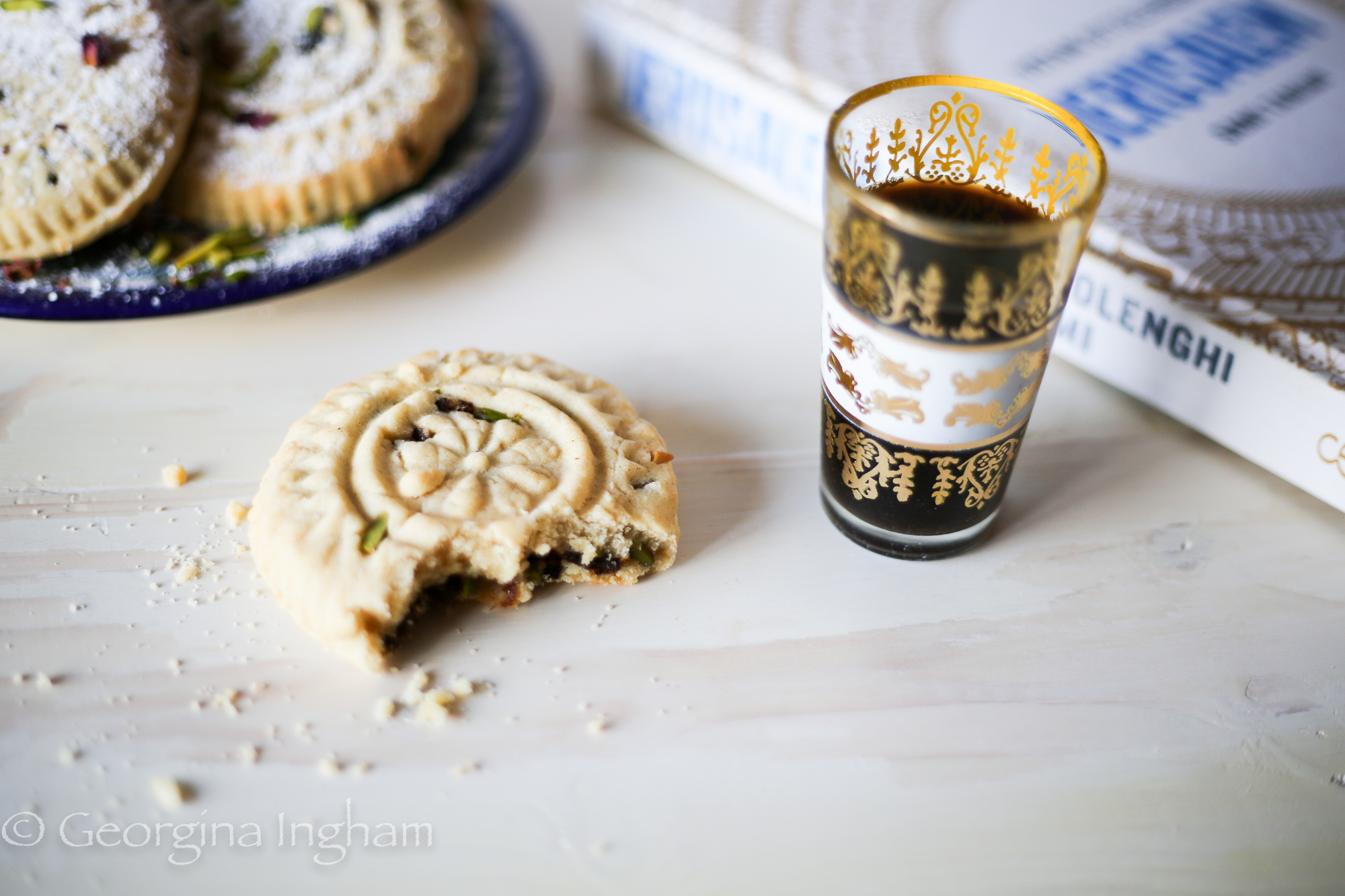
I’ll be honest — I have neither the skill nor the patience to shape each cookie by hand into the intricate designs often seen in traditional ma’amoul. Instead, I picked up a beautiful decorative mould from Persepolis, an online Aladdin’s cave of Middle Eastern ingredients and kitchen treasures. If you’re local to Peckham, Sally’s shop is well worth a visit. It’s something of a hidden gem, complete with a small café and a frequently changing menu that adds a little extra magic to the shopping trip.
Using a mould makes shaping ma’amoul wonderfully simple. Press the filled dough firmly into the mould, tap it out onto a baking tray, and the pattern appears almost instantly. The designs — floral, geometric, or delicately ridged — give each cookie a sense of ceremony and tradition.
Even with decorative patterns, however, a generous dusting of icing sugar is essential. It’s the final flourish that transforms each cookie into a little snowball of celebration, making them instantly festive and irresistible.
For those who enjoy a more hands-on approach, shaping the cookies freehand can be just as rewarding. A gentle fork press, a small pinch pattern, or a lightly stamped design allows every batch to carry a personal touch. Imperfect shapes only add to their charm.
This is where baking becomes storytelling. Each cookie reflects the hands that shaped it and the care that went into making it.
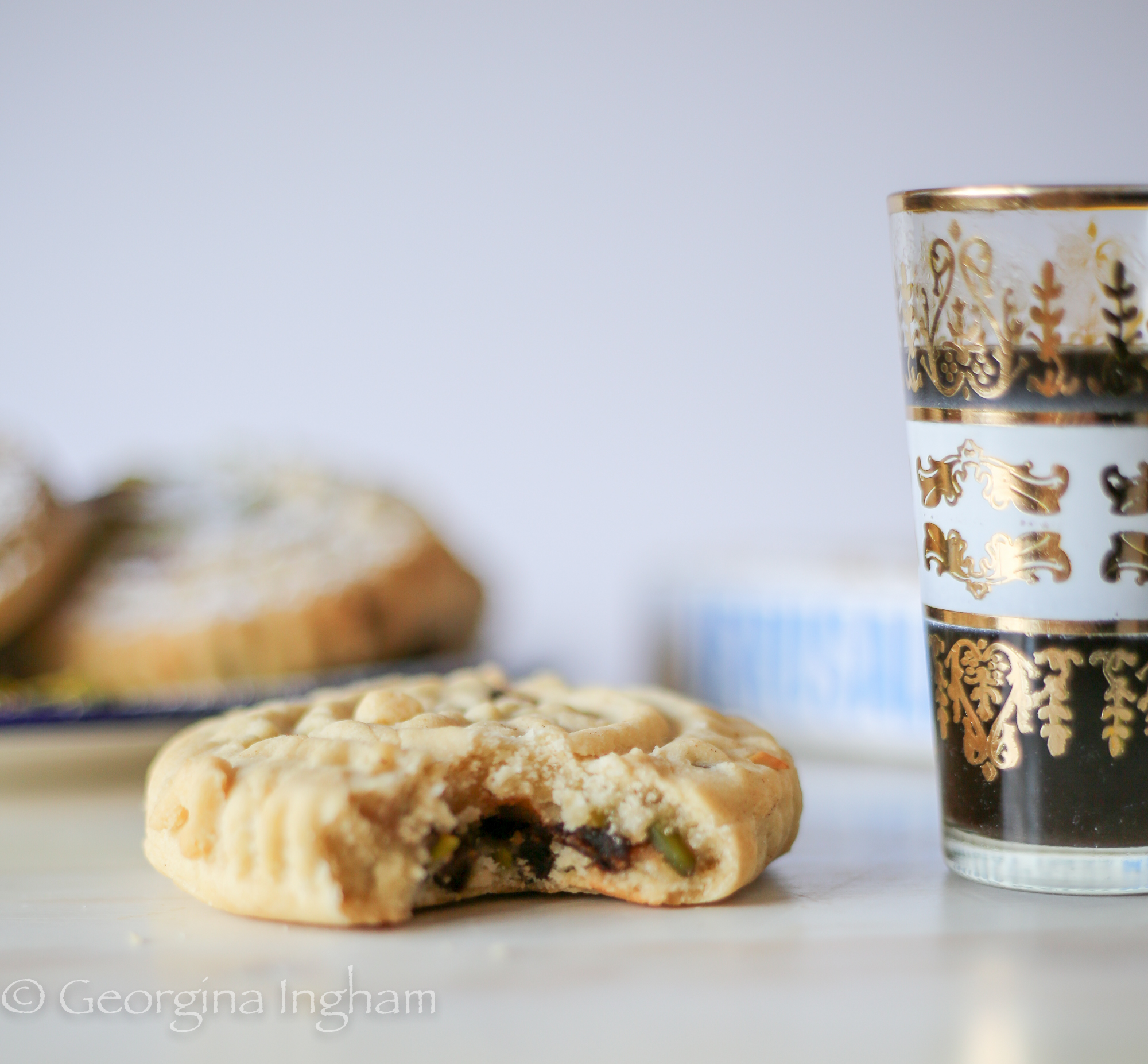
Even though this version of ma’amoul may not be quite as dainty as the examples in Jerusalem, the result still captures everything that makes these cookies special: the delicate shortbread casing, the moist nutty filling, and the floral aroma of rose water and orange blossom.
For families, this stage of the process is also a perfect moment to involve children. Let them press patterns into the dough or sprinkle the icing sugar over the finished cookies. Not only does it make baking more fun, it’s also a way of passing on small culinary traditions from one generation to the next.
Baking Tips for Perfect Ma’amoul
Even with a simple recipe, a few small adjustments can make a noticeable difference to the texture and flavour of your ma’amoul cookies.
Choose soft, plump dates
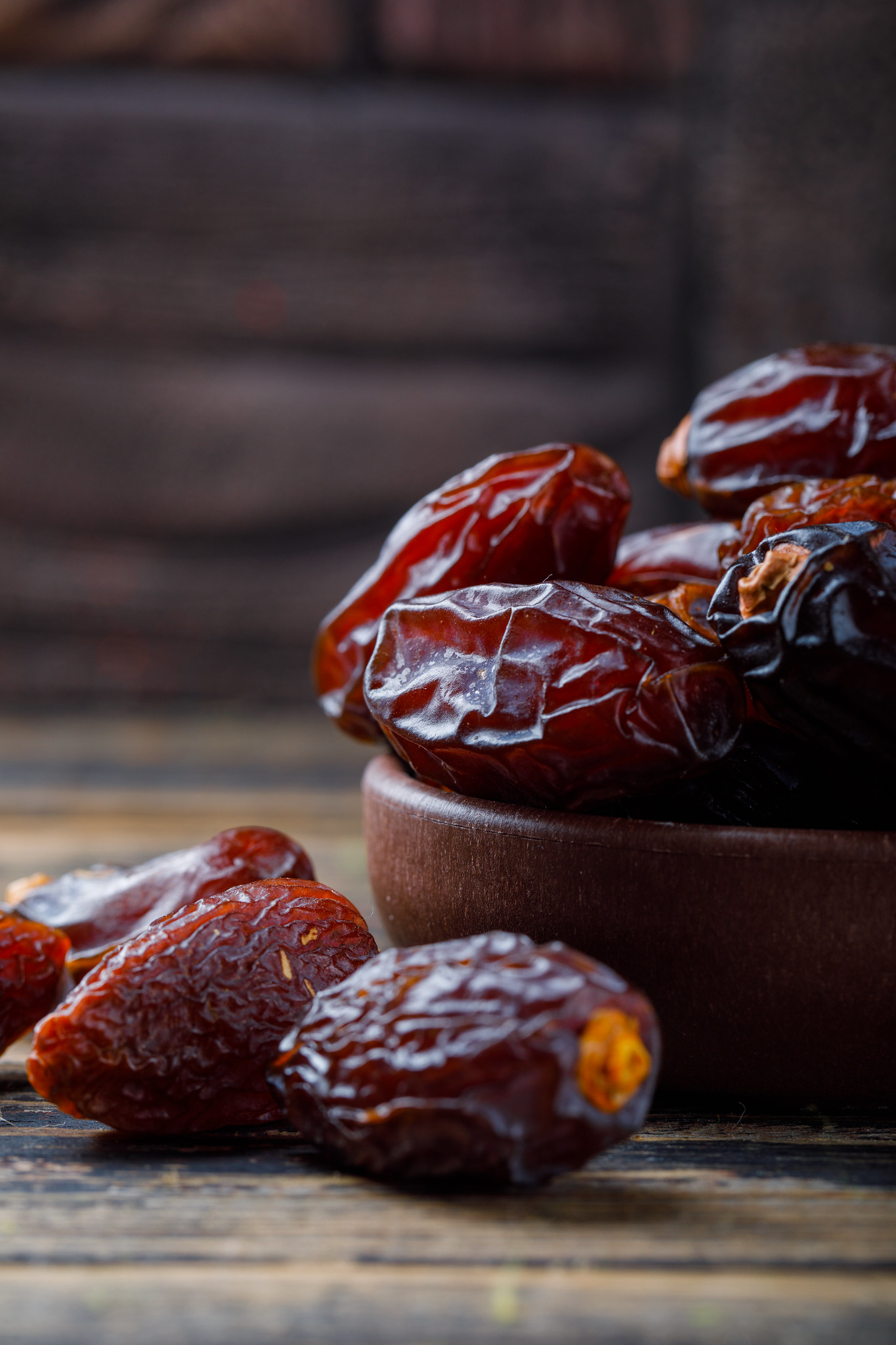
Good quality Medjool dates create the smoothest filling. If your dates feel firm or slightly dry, soak them briefly in warm water before blending. This helps them form a soft paste without diluting their natural sweetness.
Let the dough rest
Allowing the dough to rest — or chilling it briefly before shaping — makes it easier to handle and helps prevent cracks. Rested dough also holds decorative mould patterns more cleanly.
Use a little flour or water for moulds
If you’re using a traditional ma’amoul mould, lightly dust it with flour or brush with a touch of water. This prevents the dough from sticking and keeps the patterns crisp and defined.
Bake until pale, not brown
Ma’amoul should remain quite light in colour. Aim for cookies that are just lightly golden underneath. Overbaking can dry the filling and make the delicate shortbread shell lose its tender texture.
Finish with icing sugar
A generous dusting of icing sugar is the traditional finishing touch. It softens the edges of the biscuit and gives the cookies their signature snowball-like appearance.
Enjoy the process
Ma’amoul baking is often a communal activity. Invite children or friends to help shape the dough or dust the finished cookies with icing sugar. These small rituals are part of what makes the tradition so joyful.
Seasonal Swaps and Variations for Ma’amoul Cookies
Ma’amoul cookies are wonderfully adaptable, making them perfect for experimenting with flavours or working with ingredients you already have in the cupboard.
Different nuts bring subtle changes in flavour and texture. Pistachios are traditional and add a beautiful green colour, but walnuts or pecans give the filling a deeper, earthier warmth that works particularly well in autumn baking. Almonds offer a softer, buttery note that pairs beautifully with the floral hints of rose water and orange blossom.
Dates are the classic filling for ma’amoul, but they’re not the only option. Dried figs, apricots or a mixture of chopped nuts and dried fruit create gentle variations while keeping the spirit of the recipe intact. A little orange zest or a pinch of cardamom can also add warmth and complexity.
The floral waters can be adjusted to suit your taste. Some bakers love the distinctive perfume of rose water and orange blossom, while others prefer a lighter touch that allows the sweetness of the nuts and dates to take centre stage.
For a playful finishing touch, try sprinkling the cookies with finely chopped pistachios or a few edible rose petals before serving. Small details like these make each batch feel special and unique.
Ma’amoul are wonderfully forgiving cookies. Whether you keep to tradition or experiment with seasonal flavours, the result is always something fragrant, crumbly and celebratory.
How to Store Ma’amoul Cookies
Ma’amoul keep beautifully, which is why they’re often baked in the days leading up to Eid celebrations. Once completely cooled, store the cookies in an airtight container at room temperature for up to five days. The flavours often deepen slightly over time as the floral waters and spices settle into the dough.
For longer storage, ma’amoul freeze very well. Place the baked cookies in a sealed container or freezer bag and freeze for up to three months. Allow them to thaw at room temperature before serving, then dust with a fresh layer of icing sugar to restore their snowy finish.
Serving Ma’amoul
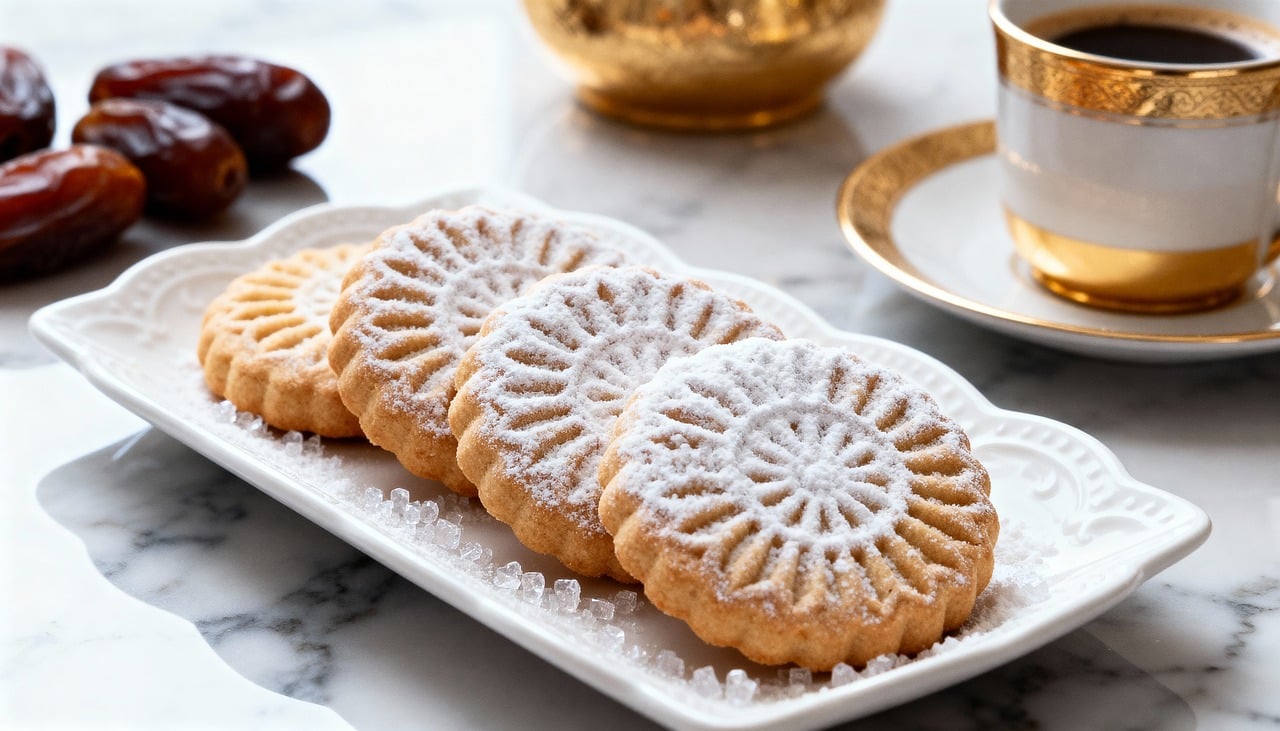
Ma’amoul are traditionally served alongside tea or coffee during Eid celebrations and family visits. Their delicate sweetness pairs particularly well with strong Arabic coffee or a fragrant cup of black tea. Arranged on a platter and dusted generously with icing sugar, they make a beautiful centrepiece for festive gatherings or thoughtful homemade gifts.
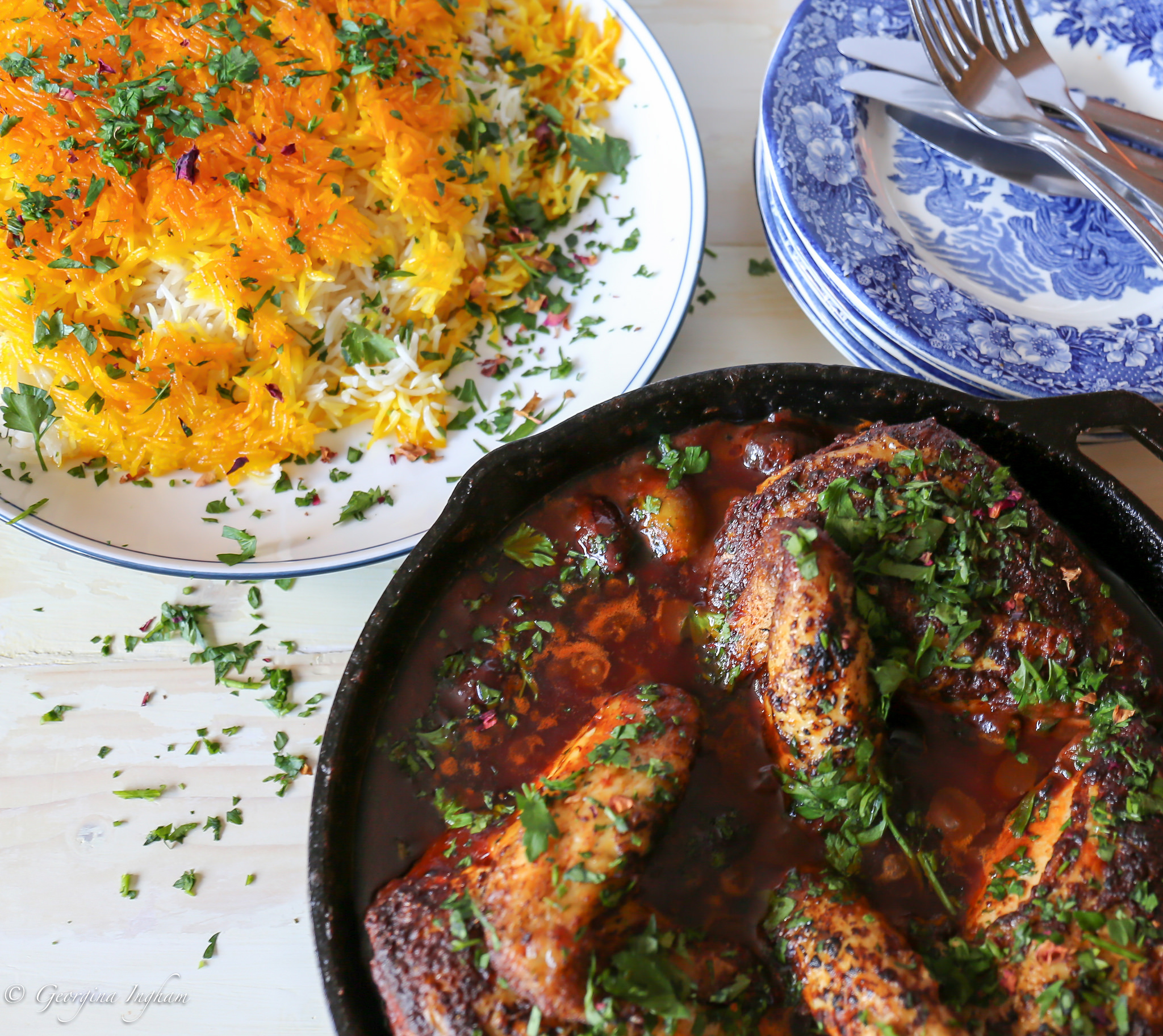
If you enjoy exploring Middle Eastern flavours at home, they sit beautifully alongside savoury dishes such as Palomar chicken with olives and tomato sauce which can be served with chelow rice or warm homemade pita breads.
Behind the Cookies – Ma’amoul FAQs
Can I make ma’amoul ahead of time?
Yes. Ma’amoul are often baked a day or two before Eid celebrations. Stored in an airtight container, the flavours settle and deepen beautifully.
Can I freeze ma’amoul cookies?
You can freeze either shaped unbaked cookies or fully baked ones. Unbaked cookies can be baked straight from the freezer—simply add a minute or two to the baking time.
What if I don’t have a ma’amoul mould?
No mould is needed. Shape the dough into small domes or rounds and gently press a pattern with a fork or your fingertips. They’ll still taste wonderful.
How do I stop ma’amoul from cracking?
Let the dough rest before shaping and avoid overbaking. Ma’amoul should remain pale rather than deeply browned to keep the texture tender.
Can I change the filling?
Absolutely. Pistachios, walnuts and almonds all work beautifully. You can also experiment with dried figs, apricots or a mix of dates and nuts.
Why do ma’amoul sometimes taste slightly floral?
Traditional recipes often include rose water or orange blossom water, which give the cookies their delicate fragrance. Adjust the quantity to suit your taste.
How should I store ma’amoul cookies?
Keep them in an airtight container at room temperature for up to a week. They also freeze well for longer storage.
Are ma’amoul always made for Eid?
They are most closely associated with Eid al-Fitr, but they’re also enjoyed during other celebrations and family gatherings across the Middle East.
A Sweet Conclusion
With a little imagination, ma’amoul might be compared to the humble British fig roll — but far more fragrant and celebratory. Each cookie is delicately spiced and lightly crumbly, with a moist, nutty centre and the distinctive floral notes of rose water and orange blossom.
They are made to be shared, gifted, or enjoyed slowly with a cup of tea, but the magic begins long before the first bite. Rolling the dough, shaping the cookies and dusting them with icing sugar turns baking into a small ritual of care and creativity. When children, friends or family join in, the process becomes part of the celebration itself.
Even a modest batch brings a touch of Eid into the kitchen. The scent of cinnamon, rose water and orange blossom drifts through the house, and suddenly the act of baking feels less like a recipe and more like a tradition being carried forward.
Ma’amoul are more than cookies — they are small edible reminders that food has the power to connect people, carry memories and turn simple ingredients into something quietly meaningful.
Stay in Touch
Culinary Travels publishes destination guides, seasonal recipes, and food-led travel features from the UK and beyond.
Follow for new articles and updated travel resources:
Facebook | Instagram | Pinterest
Newsletter
Receive new guides, recipes, and occasional travel planning notes by email: Subscribe here
Reader feedback and local recommendations are always welcome via the contact page.
©2026 Culinary Travels. Culinary Travels is written and edited by Georgina Ingham | Website designed by The Smarter Web Company
What Our Followers Say
"A highly complimentary article ... showcasing why the English Market remains one of Ireland's premier food destinations"
Cork City Council via Facebook
"Our list of things to do in Cork has just expanded hugely thanks to Culinary Travels."
Triskel Art Centre Cork, via Twitter
“Tried this last night and it was delicious!”
Reader feedback via Pinterest, Yangzhou Fried Rice Recipe
"Oh yum!!! I could eat one or two right now!"
Sami Tamimi, via Instagram, on Ma’amoul Cookies
"Georgina was great to work with, quick to respond, and is a excellent content writer - would highly recommend"
Nick S - Get Blogged
“A simple no-knead dough transformed into beautiful, rustic rolls.”
Reader feedback via Pinterest, No-Knead Ciabatta Rolls Recipe