
Articles


3 Days in Murcia: A Food-Led Itinerary for Eating, Staying and Exploring
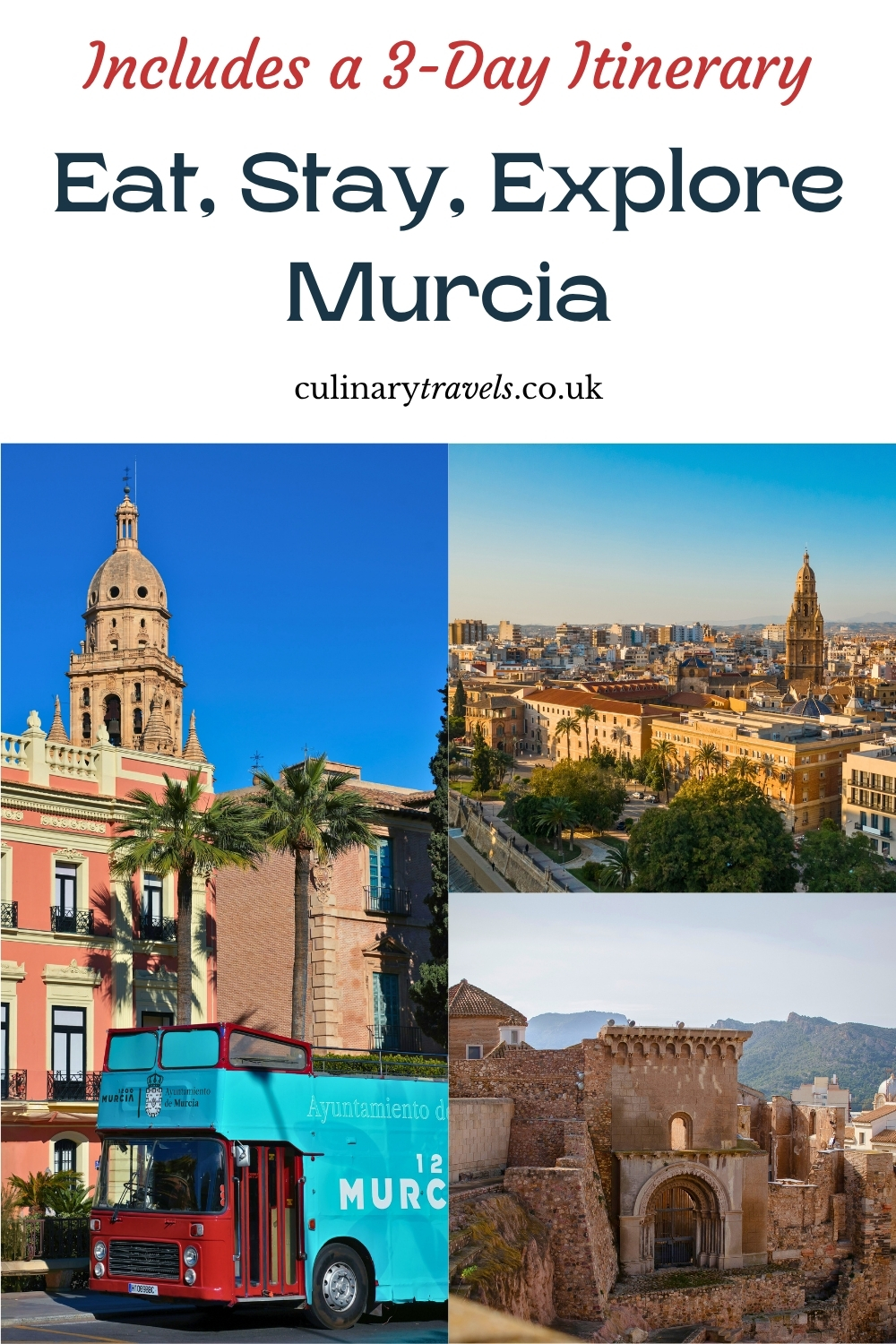
When you think of a holiday in Spain, Murcia rarely tops the list and that is precisely its appeal. This is a city that has not been smoothed over for mass tourism. It moves at its own pace, shaped by long lunches, late evenings and a deep connection to the land that surrounds it.
Often described as Spain’s vegetable garden, Murcia’s fertile huerta continues to supply its kitchens with exceptional produce, from artichokes and tomatoes to citrus and seafood drawn from the nearby coast. The result is a food culture that feels both generous and grounded, rooted in tradition but quietly confident in its simplicity.
There has also been a subtle shift in how people are travelling. Increasingly, trips are moving away from the traditional weekend rush, with midweek escapes offering better value, fewer crowds and a more relaxed rhythm. Murcia lends itself naturally to that slower approach — a place where three days can stretch comfortably, rather than feel rushed.
This 3-day Murcia itinerary is built around that idea: a food-led guide that takes you through the Old Town, into its markets and kitchens, and out towards the coastline and surrounding countryside, with just enough structure to guide you and enough space to wander.
Some articles on Culinary Travels may contain affiliate links, meaning I may earn a small commission at no extra cost to you. I only recommend places, experiences and products that fit the editorial tone and standards of the site.
Update note: This guide was originally published in December 2020 in collaboration with Visit Murcia, and has been fully updated in April 2026 to reflect current visitor information, travel insights and a more considered way of exploring the city.
In this guide
1) How to get there
2) Getting around Murcia
3) Where to stay
4) Eating in Murcia
5) When to visit
6) Day trips from Murcia
7) 3-day itinerary
8) Frequently asked questions
Photograph: Joanna Hall (Unsplash)
How to Get There
Murcia is well connected, though it still feels slightly under the radar. The closest airport is Murcia International, with regular flights from across the UK and Europe. Alicante Airport is often the more flexible option, offering a wider choice of routes and typically lower fares, and is around 45 minutes away by car.
From either airport, hiring a car gives you the most flexibility, particularly if you plan to explore the coastline or head inland towards the Ricote Valley or the Bullas wine region. Compare car hire options.
If you prefer not to drive, transfers, taxis and regular bus services run between Alicante and Murcia city centre, making the journey straightforward.
Murcia is also well connected by rail, with direct services from cities such as Madrid and Valencia, making it an easy addition to a wider Spain itinerary.

Photograph: Rhiannon Elliott (Unsplash)
Getting Around Murcia
Murcia is an easy city to navigate, and much of it is best explored on foot. The historic centre is largely pedestrianised, with narrow streets, open plazas and riverside paths that lend themselves to slow wandering rather than structured sightseeing.
For short distances within the city, walking is often the simplest option, though taxis are readily available and reasonably priced. Local buses connect different neighbourhoods and nearby towns, but most visitors are unlikely to need them unless staying further out.
If you are planning to explore beyond the city, particularly towards the coast, the Ricote Valley or the Bullas wine region, having access to a car makes a noticeable difference. Distances are manageable, but public transport becomes less frequent the further you go. For added flexibility, compare car hire options. For more ideas, see the full guide to day trips from Murcia.
Cycling is another option within the city, with dedicated paths along the Segura River offering a relaxed way to see a different side of Murcia.
Overall, the city rewards a slower pace. You are rarely far from where you need to be, and part of the experience is in moving through Murcia without feeling rushed.
Photograph: Richard James (Unsplash)
For day-to-day exploring, pack for comfort rather than formality. Murcia is a walking city, so comfortable shoes matter more than anything dressy, especially if you are moving between the Old Town, river paths and market streets. In warmer months, a hat, sunglasses, refillable water bottle and light layers for shaded terraces or air-conditioned interiors are useful. If you are planning coast, countryside or vineyard day trips, bring swimwear or a lightweight cover-up in summer, and a slightly warmer layer outside the hottest months.
Where to Stay
Murcia is a city where location matters more than luxury. Staying within or close to the Old Town makes it easy to experience the city on foot, with most of the main sights, restaurants and plazas within a short walk.
For a first visit, the area around the cathedral is the most convenient base. You are close to the city’s main landmarks, with tapas bars, markets and cafés just outside your door. It is lively without feeling overwhelming, particularly midweek, when the pace is more relaxed and the streets feel easier to navigate.

Photograph: A_Medvedkov (Adobe Stock)
If you prefer something quieter, look slightly beyond the centre towards neighbourhoods along the Segura River or near Floridablanca Gardens. These areas offer a more residential feel, while still keeping the Old Town within easy reach.
For those combining city and coast, it can be worth splitting your stay. A couple of nights in Murcia followed by time along the Costa Cálida allows you to experience both sides of the region without rushing between them.
Murcia’s accommodation leans towards boutique hotels, smaller guesthouses and well-located apartments rather than large-scale luxury properties, which suits the city’s character. Choosing somewhere central and comfortable will do more for your experience here than opting for somewhere grand but disconnected. For a broader view of current options, compare places to stay in Murcia.
For a more detailed breakdown of the best areas and carefully chosen places to stay, see the full guide to where to stay in Murcia.
Eating in Murcia: A City Shaped by Its Land
Murcia’s food culture begins long before you sit down at a table. Often referred to as Spain’s vegetable garden, the region’s fertile huerta still supplies its kitchens with an abundance of seasonal produce, from artichokes and tomatoes to citrus and peppers, all shaped by a climate that favours growth almost year-round. Add to that its proximity to the coast, and the result is a cuisine that feels both generous and grounded, built on fresh ingredients handled with a light touch.
This is not a city of elaborate presentation or reinvention for its own sake. Instead, Murcia leans into simplicity and confidence. Dishes like arroz al caldero, rich with saffron and seafood, or bacalao with tomato speak to a way of cooking that values depth of flavour over complexity. Smaller plates, from marineras topped with anchovy to grilled vegetables or tender artichokes, are designed to be shared, ordered gradually, and enjoyed without urgency. For a closer look at the dishes to seek out, see the full guide to what to eat in Murcia.
Eating here follows a rhythm that takes a little adjustment if you are used to earlier mealtimes. Lunch is the main event, often stretching comfortably into the afternoon, while dinner begins later and unfolds more slowly. It is worth leaning into that pace. A rushed meal in Murcia misses the point entirely.
Photograph: Veronika Hradilová (Unsplash)
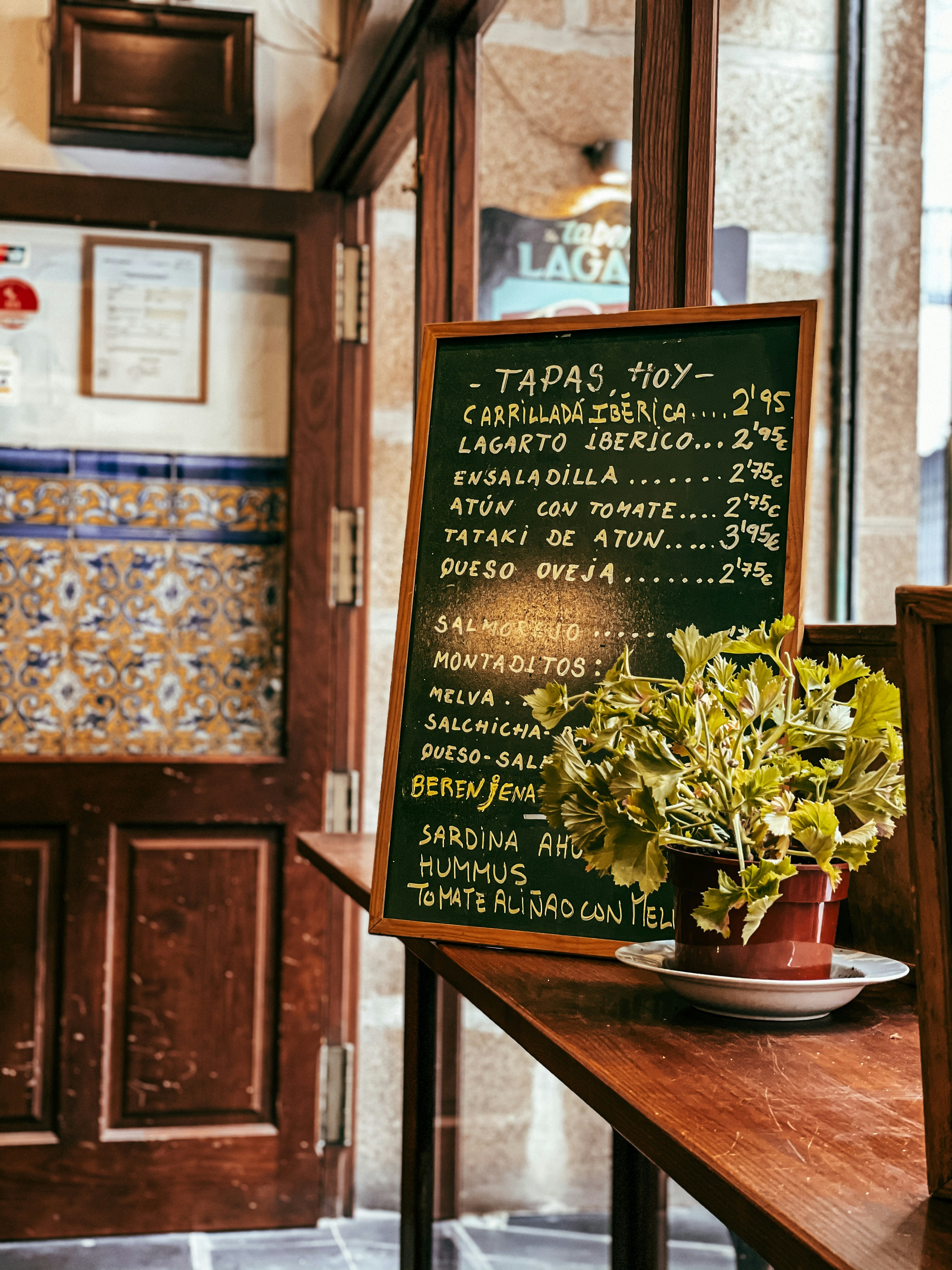
The Old Town is the natural place to start. Around the cathedral and into the surrounding streets, you will find a mix of traditional taverns and more contemporary spaces, many of which focus on local ingredients rather than fixed menus. Places like La Pequeña Taberna or El Churra are known for their connection to Murcian cooking, while others bring a lighter, more modern approach to the same foundations. For something more informal, moving between tapas bars allows you to experience a wider range of flavours, one plate at a time.
Markets play their part too. A morning at Mercado de Verónicas offers a clear sense of what defines the region, from seasonal vegetables to fresh fish and local cheeses. Even if you are not buying, it is worth visiting simply to understand what appears later on your plate.

Photograph: lindasky76 (Shutterstock)
For those who want to go a little deeper, food experiences across the region add another layer. Cooking classes, guided tapas walks or visits to small producers, from olive oil mills to local wineries, offer a more hands-on way to connect with Murcia’s culinary identity. These are not essential, but they can turn a good trip into a more memorable one. See the full guide to food experiences in Murcia worth booking.
What stays with you is not a single standout dish, but the consistency. The quality of ingredients, the ease of the dining culture, and the sense that food here is part of daily life rather than something staged for visitors. In Murcia, eating well is not an occasion. It is simply how things are done.
When to Visit Murcia
Murcia is a year-round destination, though the experience shifts gently with the seasons rather than dramatically.
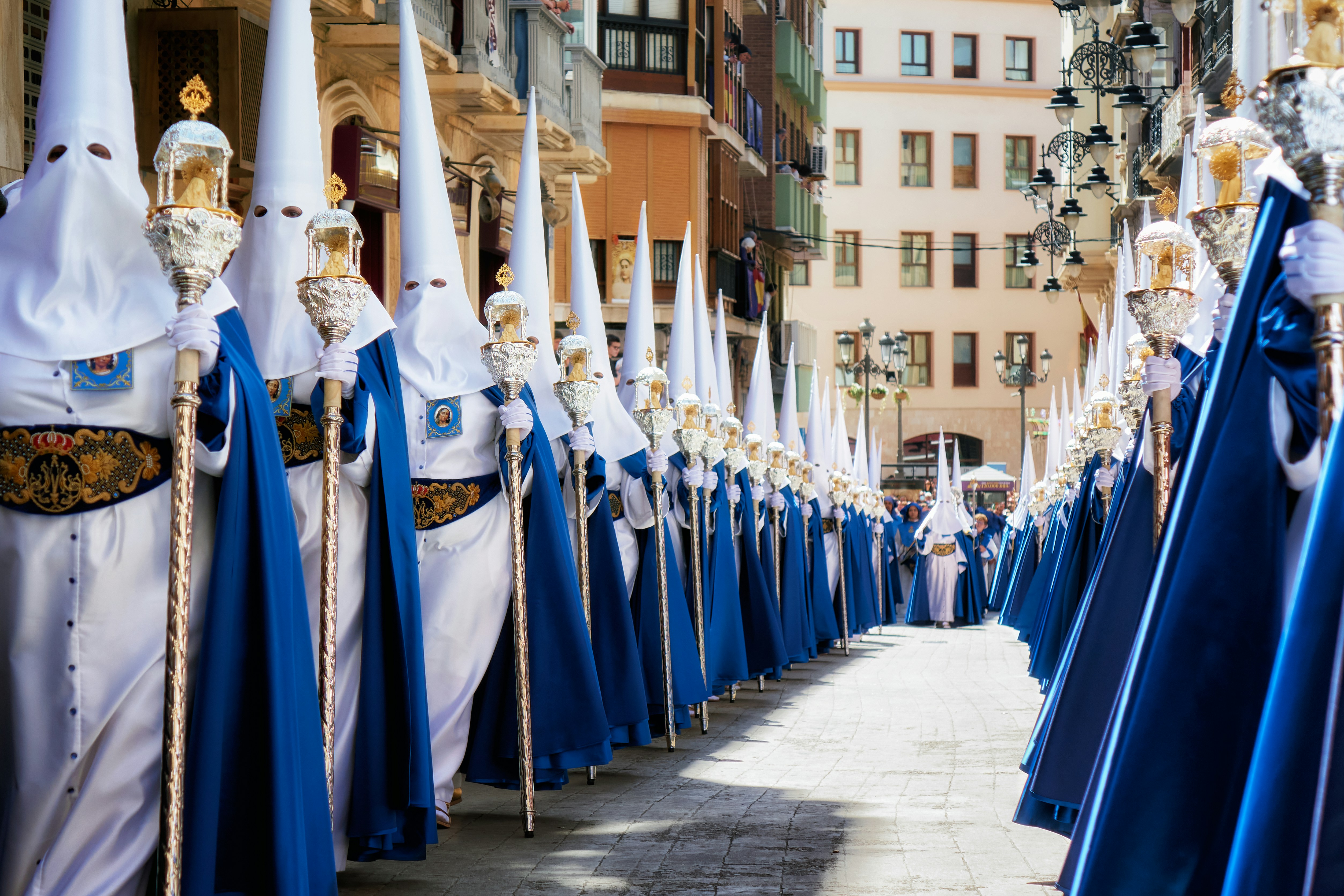
Spring is arguably the sweet spot. The huerta is at its most vibrant, markets are full of fresh produce, and festivals such as Semana Santa and Bando de la Huerta bring the city to life with colour and tradition. It is also one of the most comfortable times to explore on foot. For a closer look at how these events shape the city, see the guide to Murcia’s festivals and cultural calendar.
Photograph: Esteban Palacios Blanco (Unsplash)
Summer is hot, particularly inland, and the city slows accordingly. This is when the coast comes into its own, with late evenings, long beach days and a more relaxed rhythm that centres around shade, water and unhurried meals.
Autumn offers a return to balance, with warm days, fewer visitors and a strong focus on seasonal food. It is a good time for combining city exploration with day trips inland or towards the vineyards.
Winter is mild compared to much of Europe, making Murcia an appealing option for a quieter escape. While time by the sea may be more limited, the city itself remains lively, and the slower pace suits its character well.
Whenever you visit, the key is to adapt to the local rhythm rather than resist it. Murcia is at its best when you allow time for long lunches, late dinners and the kind of unplanned moments that rarely fit into a tighter schedule.
Day Trips from Murcia: Coast, Countryside and Quiet Escapes
One of Murcia’s strengths is how quickly the landscape shifts once you leave the city. Within an hour, you can move from historic streets to coastline, vineyards or quiet inland valleys, making it easy to shape your trip around what you enjoy most.
For a coastal escape, the Costa Cálida offers a mix of wide sandy beaches and smaller, quieter coves. Mazarrón and Águilas are both easy to reach and well suited to a relaxed day by the sea, with seafood restaurants that make lingering over lunch feel entirely justified. For something more unusual, experiences that combine the coast with local wine offer a different way to connect with the region. View coastal experience. The Mar Menor, meanwhile, offers a gentler contrast, with calm, shallow waters that suit slower days by the sea.
Inland, the Ricote Valley feels like a step back in time. This is a landscape shaped by centuries of Moorish irrigation, where small villages sit among orchards and hills, and the pace slows even further. It is an ideal choice if you want to balance the city with something quieter and more reflective.
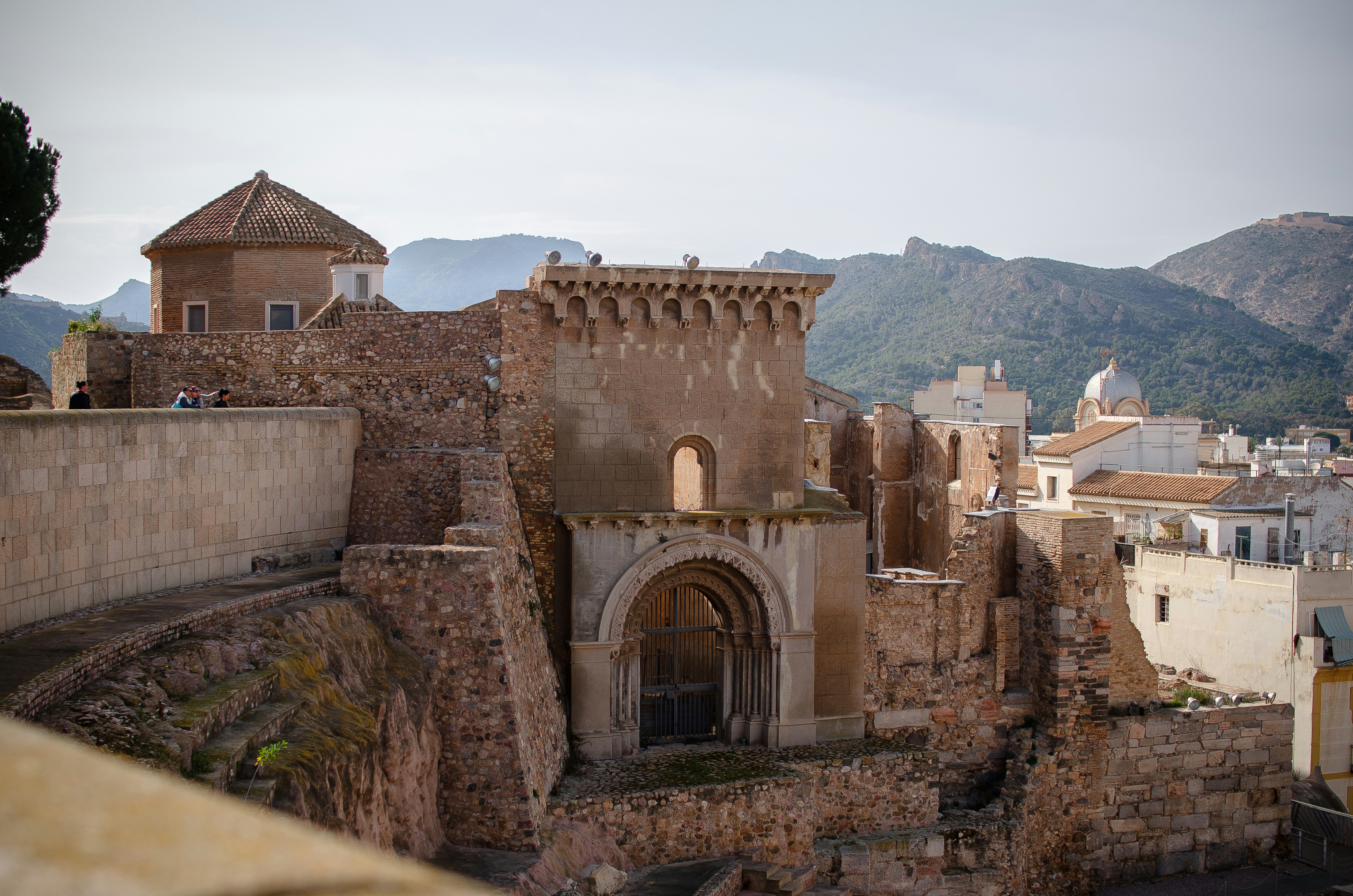
For history, Cartagena makes a compelling contrast to Murcia. Its Roman theatre, naval heritage and waterfront setting give it a very different character, and it works well as a structured day out with a clear focus. If you would rather visit with context, a private guided tour can bring together the historic centre and Roman Theatre without overcomplicating the day. Check availability.
Photograph: Anastasiia Shyrokykh (Unsplash)
Wine lovers can head towards the Bullas region, where smaller, independent wineries offer tastings rooted in local tradition rather than large-scale production. It pairs particularly well with a slower final day, especially if you are already leaning into Murcia’s food culture.
These are just a few starting points. The real advantage of Murcia is not just what you can see, but how easily you can shape the experience to suit your own pace, whether that means a full day exploring or simply a change of scene for a few hours.
For a more detailed look at the best routes, transport options and curated experiences, see the full guide to day trips from Murcia.
Use the map below to explore Murcia’s key sights, food spots and day trips as you plan your itinerary.
A 3-Day Food-Led Itinerary for Murcia
Day 1: Old Town, First Flavours and an Easy Introduction
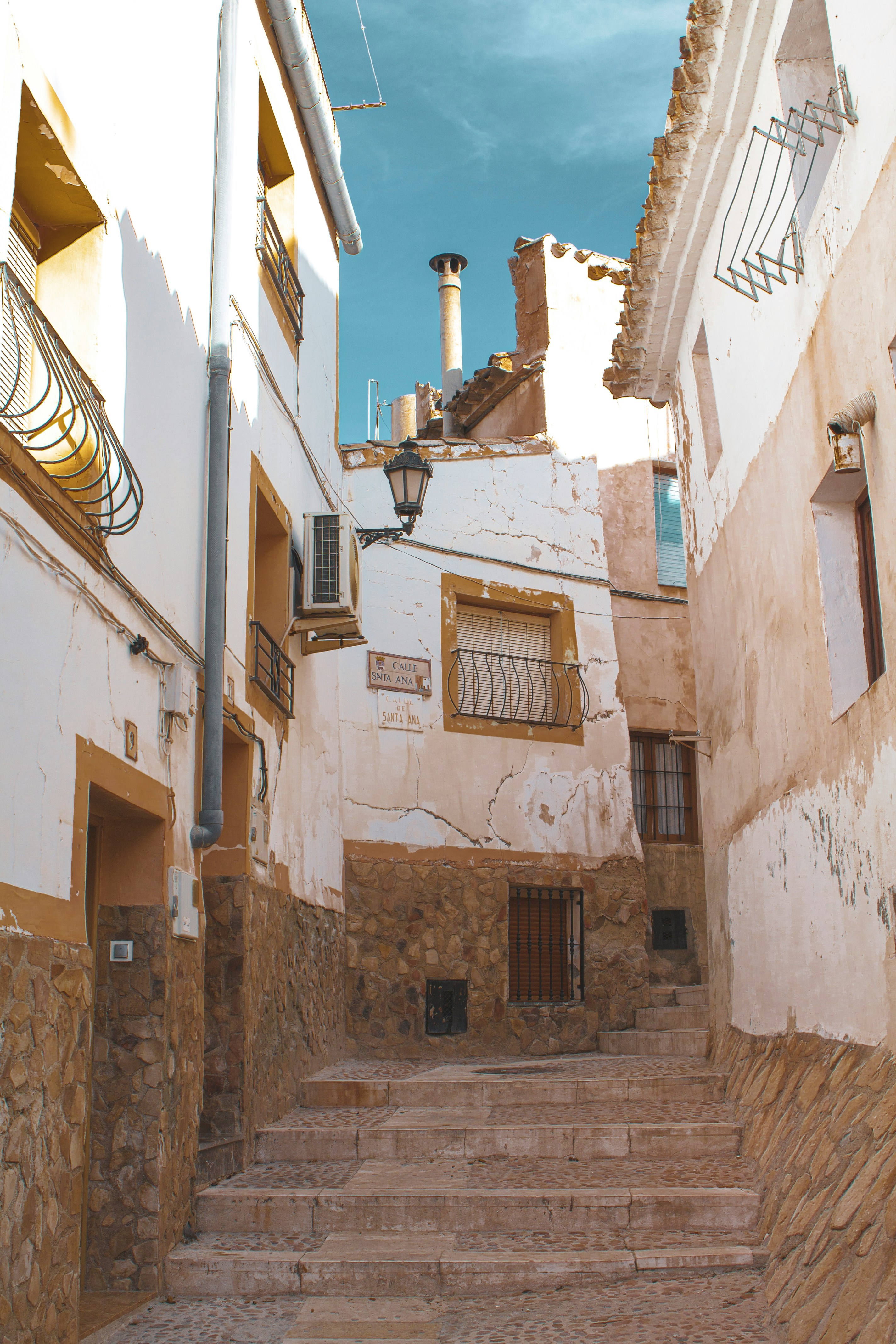
Arrive into Murcia and ease straight into the rhythm of the city. The historic centre is compact and largely pedestrianised, making it ideal for a first wander without a plan. Let yourself drift through narrow streets that open unexpectedly into sunlit plazas, where cafés spill out under awnings and the pace immediately softens.
Photograph: Enrique Vidal Flores (Unsplash)
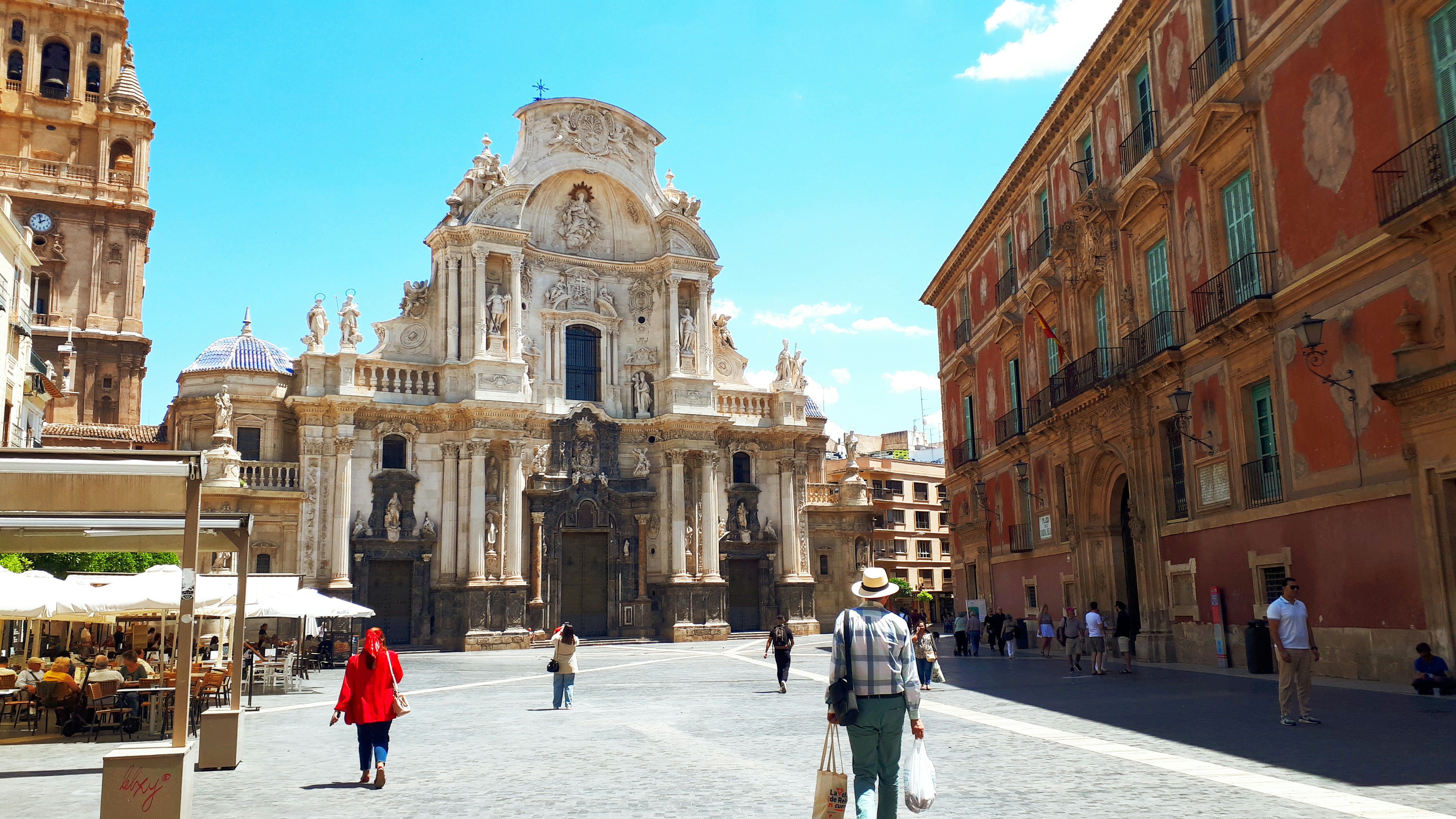
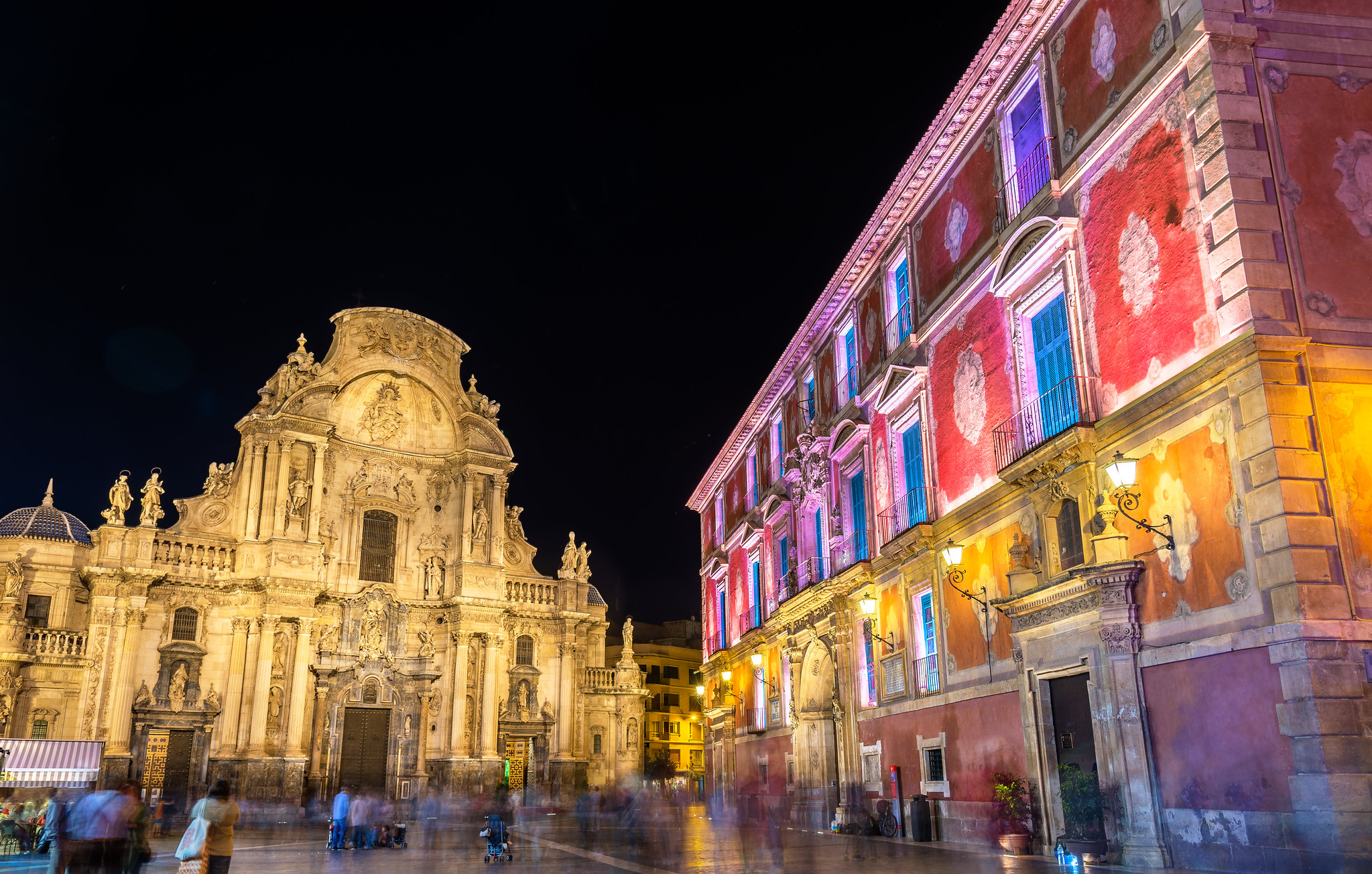
Start at the Catedral de Santa María, its layered architecture setting the tone for the city. Step inside if it is open, then continue towards the Palacio Episcopal and into the Real Casino de Murcia. Even if you only pause briefly, the Moorish courtyard and ornate interiors offer a sense of Murcia’s quieter grandeur.
By now, it should be time to eat. This is the moment to lean into Murcia’s food culture without overthinking it. Find a busy tapas bar in the Old Town, take a seat at the counter, and order a few small plates. Marineras, local vegetables and anything featuring fresh seafood are a good place to start. For a closer look at what to order, see the guide to what to eat in Murcia.
The afternoon is best kept light. Walk it off through Floridablanca Gardens or along the Segura River, where locals gather in the shade and the city feels unhurried. Cross the Puente de los Peligros as the light begins to soften, then circle back into the Old Town.
For dinner, choose somewhere that lets you settle in for the evening. This is where Murcia begins to reveal itself properly, in the space between courses, in the low hum of conversation, and in the simple pleasure of good food done well.
Photograph: Leonid Andronov (Shutterstock)
Day 2: Markets, Culture and a Long Lunch
Begin the day at Mercado de Verónicas, when the city is still waking up and the stalls are at their most vibrant. This is where Murcia’s identity as Spain’s vegetable garden becomes tangible. Piles of seasonal produce, local cheeses, olives and fresh fish give a real sense of the region’s connection to its land and coastline.
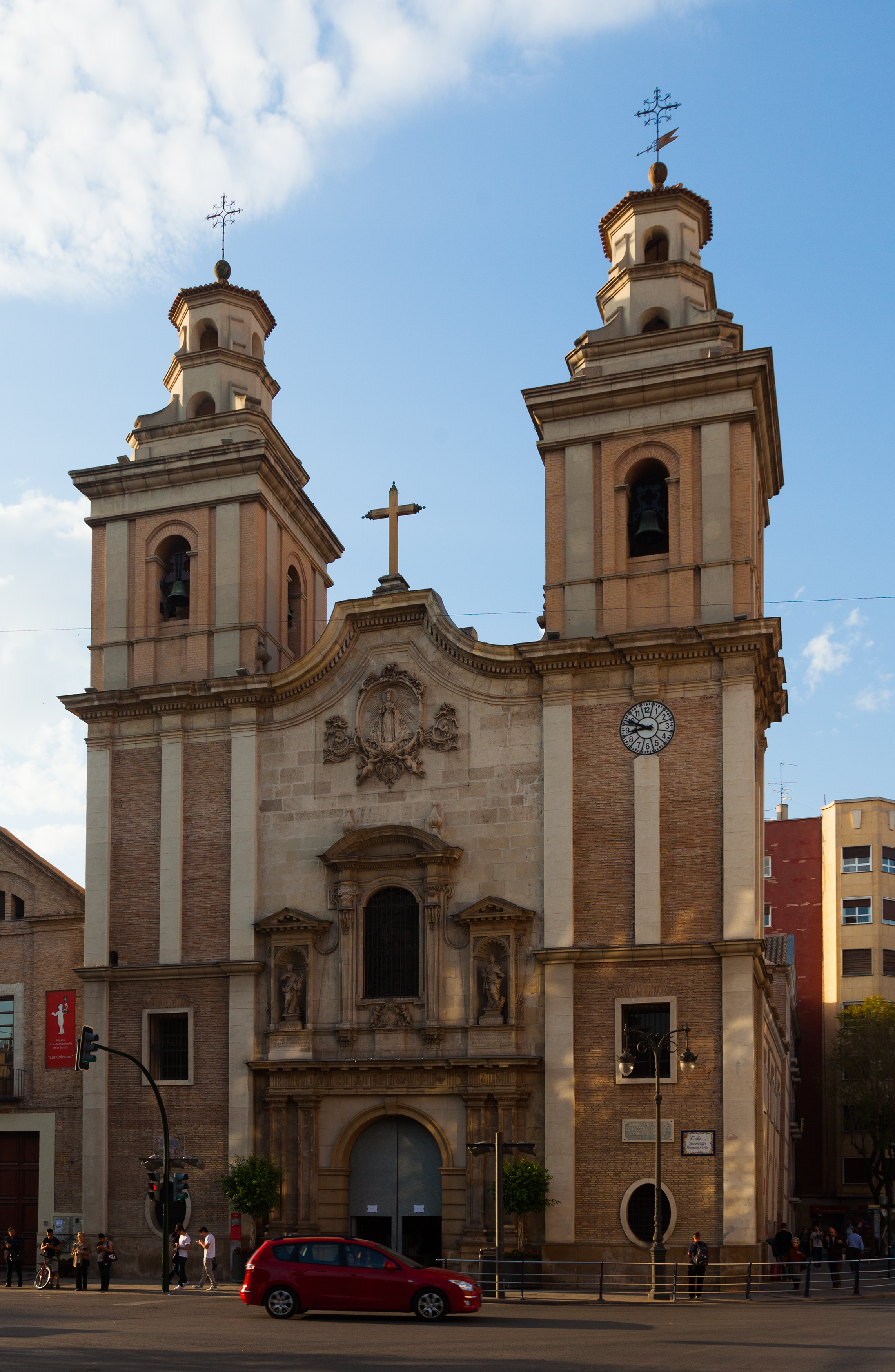
From here, move into the city’s cultural side. The Museo Salzillo offers insight into one of Murcia’s most important artistic figures, while the Santa Clara Monastery brings together layers of Islamic and Christian history in a calm, contemplative setting. Neither needs to be rushed. Murcia rewards a slower pace.
Photograph: Bearfotos (Freepik)
Lunch is the anchor of the day. Choose somewhere known for traditional cooking and settle in properly. Dishes like arroz al caldero or bacalao with tomato reflect the region’s depth of flavour, built on simple ingredients handled with confidence. Allow time for a second glass of wine or a coffee. This is not a city that rushes you out the door.
The afternoon can unfold depending on your mood. Continue exploring museums, wander through Barrio del Carmen for a more creative, local feel, or simply return to a café and watch the city move around you.
In the evening, follow the locals. Tapas bars fill gradually, terraces come alive, and the energy builds without ever feeling overwhelming. A gentle bar-to-bar approach works well here, one plate at a time, letting the night stretch naturally. For a more structured introduction to the city after dark, an evening walking tour can offer additional context.
Day 3: Coastline, Countryside or One Last Slow Morning
For your final day, Murcia opens out beyond the city.
If you are drawn to the coast, head towards the Costa Cálida. Places like Mazarrón or Águilas offer wide stretches of sand, smaller coves, and seafood restaurants where lunch comes with a view of the water. It is an easy contrast to the city and a reminder of how close everything feels here.
If you prefer something quieter, the Ricote Valley offers a very different landscape. This is older, slower Murcia, shaped by Moorish irrigation systems and small villages where time feels less defined. A walk here, followed by a simple local meal, can be one of the most memorable parts of the trip.
Alternatively, stay in the city for one last unhurried morning. Revisit a favourite café, explore a market you missed, or take a final walk along the river. There is something to be said for not overfilling the last day.
If time allows, a late afternoon wine tasting in the Bullas region adds a final note to the trip, tying together Murcia’s food culture with the land that produces it.
As the day draws to a close, Murcia leaves its mark quietly. Not through big, headline moments, but through the accumulation of small ones, good meals, warm evenings, and a sense that you have stepped briefly into a different pace of life.

Photograph: Pedro J. Conesa (Unsplash)
Frequently Asked Questions
When is the best time to visit Murcia?
Spring and autumn offer the most comfortable temperatures for exploring, along with seasonal produce and local festivals. Summer is hotter, but ideal if you plan to spend time along the coast, while winter remains mild and quieter. For more detail, see the guide to Murcia’s festivals and cultural calendar.
Do I need a car in Murcia?
Not for the city itself. Murcia’s centre is compact and walkable. A car becomes useful if you plan to explore the coastline, vineyards or inland areas such as the Ricote Valley. For route ideas, see the guide to day trips from Murcia.
Is Murcia a good destination for a short break?
Yes. Three days is enough to experience the city at a relaxed pace, with time for food, culture and a day trip beyond the centre.
Is Murcia suitable for solo travellers?
Murcia is a safe and welcoming city, with a laid-back atmosphere that suits solo travel. Its size makes it easy to navigate, and the café and tapas culture lends itself well to exploring independently.
What food should I try in Murcia?
Look for dishes that reflect the region’s produce and coastal influence. Arroz al caldero, marineras, grilled vegetables and local seafood are good starting points, along with traditional desserts such as paparajotes. For a deeper guide, see what to eat in Murcia.
Are there good beaches near Murcia?
Yes. The Costa Cálida is within easy reach, with options ranging from the calm waters of the Mar Menor to the more open beaches around Mazarrón and Águilas.
Can you visit Murcia without speaking Spanish?
You can get by in English in many central areas, but a few basic phrases are always appreciated and often lead to a warmer interaction.
Photograph: Bearfotos (Freepik)
Final Thoughts
Murcia is not a city that competes for attention, and that is part of its appeal. It does not rely on headline attractions or carefully curated experiences. Instead, it offers something quieter and more enduring: a strong sense of place, shaped by its food, history and the rhythm of daily life.
Spend a few days here and the details begin to settle in. Long lunches that stretch into the afternoon, evenings that unfold gradually, markets that reflect the landscape around them. It is a city that rewards time rather than urgency.
For travellers willing to step slightly away from the more familiar routes, Murcia offers a different perspective on Spain. Not as a checklist of sights, but as a place to experience at your own pace, and on its own terms.

Plan the rest of your time in Murcia
For a deeper look at the city, see the full guide to where to stay in Murcia, the food-led guide to what to eat in Murcia, and the curated edit of food & drink experiences in Murcia.
For practical planning, continue with the guide to day trips from Murcia and the seasonal Murcia festivals and cultural calendar. Packing guidance is included above, with advice on walking shoes, sun protection and planning for coast, countryside and vineyard days; for useful travel pieces, see the curated Culinary Travels packing and planning edit.
Stay in Touch
Culinary Travels publishes destination guides, seasonal recipes, and food-led travel features from the UK and beyond.
Follow for new articles and updated travel resources:
Facebook | Instagram | Pinterest
Newsletter
Receive new guides, recipes, and occasional travel planning notes by email: Subscribe here
Reader feedback and local recommendations are always welcome via the contact page.



©2026 Culinary Travels. Culinary Travels is written and edited by Georgina Ingham | Website designed by The Smarter Web Company
What Our Followers Say
Our list of things to do in Cork has just expanded hugely thanks to Culinary Travels.
Triskel Art Centre Cork, via Twitter
“Tried this last night and it was delicious!”
Reader feedback via Pinterest, Yangzhou Fried Rice Recipe
"Oh yum!!! I could eat one or two right now!"
Sami Tamimi, via Instagram, on Ma’amoul Cookies
"Georgina was great to work with, quick to respond, and is a excellent content writer - would highly recommend"
Nick S - Get Blogged
“A simple no-knead dough transformed into beautiful, rustic rolls.”
Reader feedback via Pinterest, No-Knead Ciabatta Rolls Recipe