
Blog


Bringing Lunar New Year Home: A Dim Sum Feast with Ding Dong Dim Sum
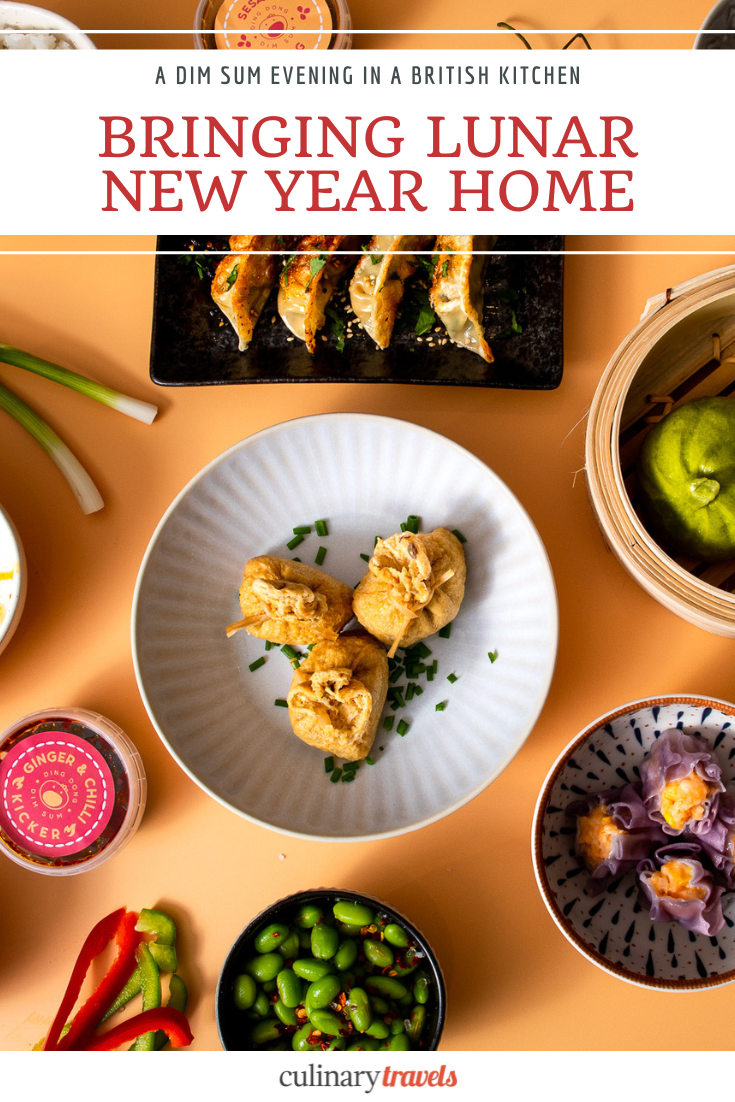
This feature was created following the provision of a sample meal kit and selected images for review. All editorial opinions remain entirely independent. Some links on Culinary Travels are affiliate links. This means I may earn a small commission at no extra cost to you if you choose to book through them. I only recommend places and experiences that genuinely fit the style and content of the site.
Each winter the Lunar New Year arrives, marking the start of the new year in the traditional Chinese lunisolar calendar and is celebrated across much of East and Southeast Asia. In the UK it often appears quietly with red envelopes in shop windows, supermarket displays of mandarins, and restaurants filling midweek with families gathering around round tables. It is a celebration carried by people rather than place — a festival carried by communities wherever they settle, with traditions centred around family gatherings and symbolic foods.
In many homes, that celebration centres around a shared meal and most commonly dumplings and other dim sum dishes eaten together. Food is not simply part of it. Food is the celebration.
This year, rather than booking a restaurant, we marked the occasion at home with a feast from Ding Dong Dim Sum — an approach that felt surprisingly fitting. Lunar New Year has always adapted to circumstance, and in modern Britain, the kitchen table has become one of its newest settings.
Dim sum itself has long been associated with gatherings. Emerging from Cantonese tea houses in southern China around the 10th century, it was designed for conversation as much as eating — small dishes shared slowly alongside tea rather than a single formal meal. That tradition of lingering together remains central to New Year celebrations today.
Why Food Matters at Lunar New Year
Lunar New Year meals are layered with symbolism in a way Western festive food rarely is. Dishes are chosen not simply because they taste good but because they say something.
Dumplings are traditionally shaped to resemble ancient Chinese silver ingots and represent prosperity. Fish symbolises abundance and surplus for the year ahead. Sweet treats speak of harmony and family unity.
Dim sum fits beautifully into this philosophy. The meal unfolds slowly, dish by dish, encouraging conversation between bites rather than the hurry of a single plated dinner. It is celebratory without being formal - the sort of meal designed to be eaten slowly around the table. A meal that invites lingering.
Sharing multiple plates matters too. Everyone eats from the same selection; nobody has an individual portion. Many celebratory meals also include shared rice dishes, much like a traditional Yangzhou fried rice. The meal becomes collective rather than personal — a small but meaningful difference from the Western plated dinner.
The At-Home Celebration
Our celebration was deliberately simple. No elaborate decorations, no attempt at restaurant theatre. Just warm plates, tea steaming beside the stove, and the steady rhythm of bamboo steamers lifting their lids.
Cooking dim sum at home has a surprisingly calming quality. There is no rush; each basket has its own timing, its own moment to be opened. The kitchen fills with soft savoury aromas — soy, sesame, ginger — and the meal naturally becomes an evening rather than a sitting.
It felt less like “preparing dinner” and more like participating in something.
The Ding Dong Dim Sum Kit
The practical difficulty, of course, is that traditional dim sum is labour-intensive. Folding dumplings properly is a skill measured in years, not evenings.
A Ding Dong Dim Sum kit bridges that gap. Instead of attempting restaurant-level preparation, the focus shifts to the ritual itself: steaming, serving and eating together. Everything arrives frozen and portioned, with clear instructions, allowing you to cook dishes gradually rather than all at once.
And that gradual cooking turns out to be the point. Rather than preparing dinner and sitting down, the evening unfolds in stages. A basket steams, it is eaten, conversation resumes, and another goes on. The kitchen never feels frantic; it feels participatory.
The Experience
The joy of dim sum is variety. Each small plate feels like a new course: delicate dumplings, crisp textures, soft buns, richer savoury bites. Rather than one large portion, you graze — which, somewhat paradoxically, feels more celebratory.
Because the food is prepared in stages, nobody is trapped in the kitchen for long. Cooking becomes part of the evening rather than an interruption to it.
There is also something quietly pleasing about sharing food that has travelled culturally far before reaching your table. Traditions evolve this way — not diluted, but lived.
What surprised me most was how calming it was to cook. Each dish required only a few minutes, yet demanded just enough attention to slow the evening down. Lids lifted, steam escaped, and plates were passed around the table.
The flavours leaned savoury and warming — soy, ginger and sesame dominating — but the real pleasure was variety. No single dish carried the meal. Instead the enjoyment came from anticipation: wondering what the next basket would hold.
It created something restaurants sometimes lose through efficiency: pacing. We weren’t finishing a dinner; we were spending an evening.
The Meal Itself
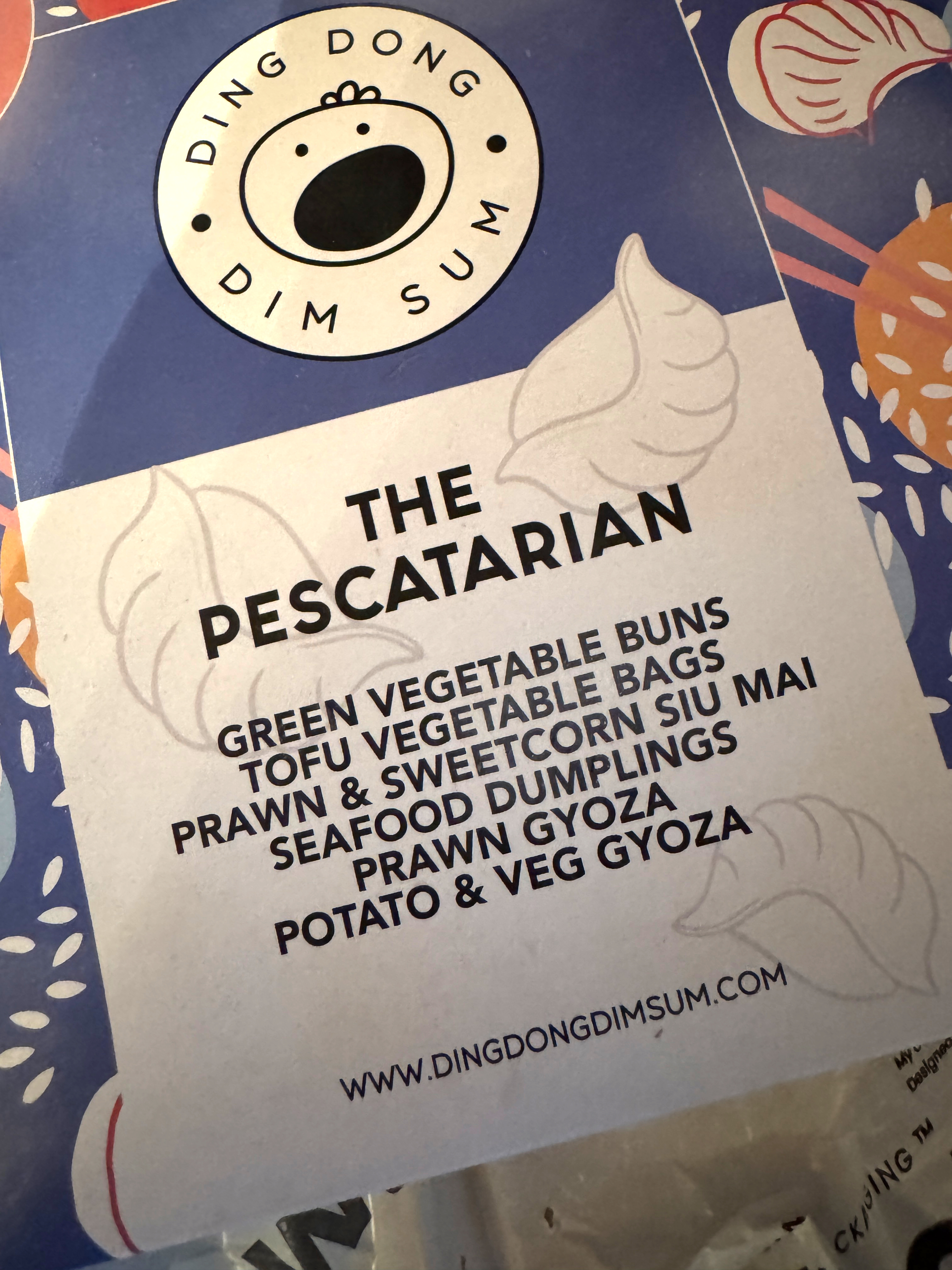
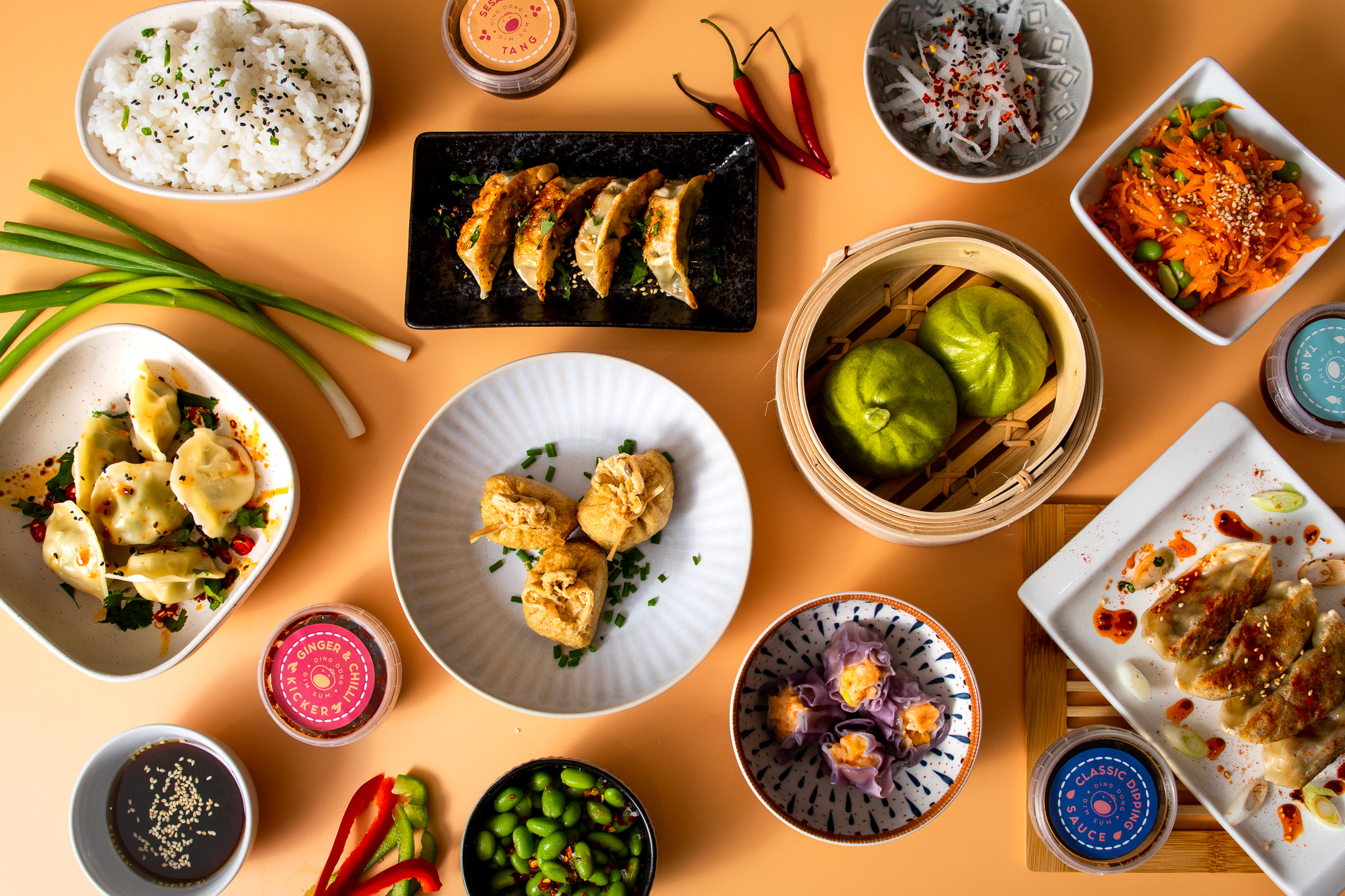
The box we tried was the pescatarian selection for two, a spread that quickly covered the table once the steamers began working.
We started, unintentionally but appropriately, with the edamame — something to nibble while the first baskets cooked. It set the tone for the evening: unhurried, small bites rather than a single plated dinner.
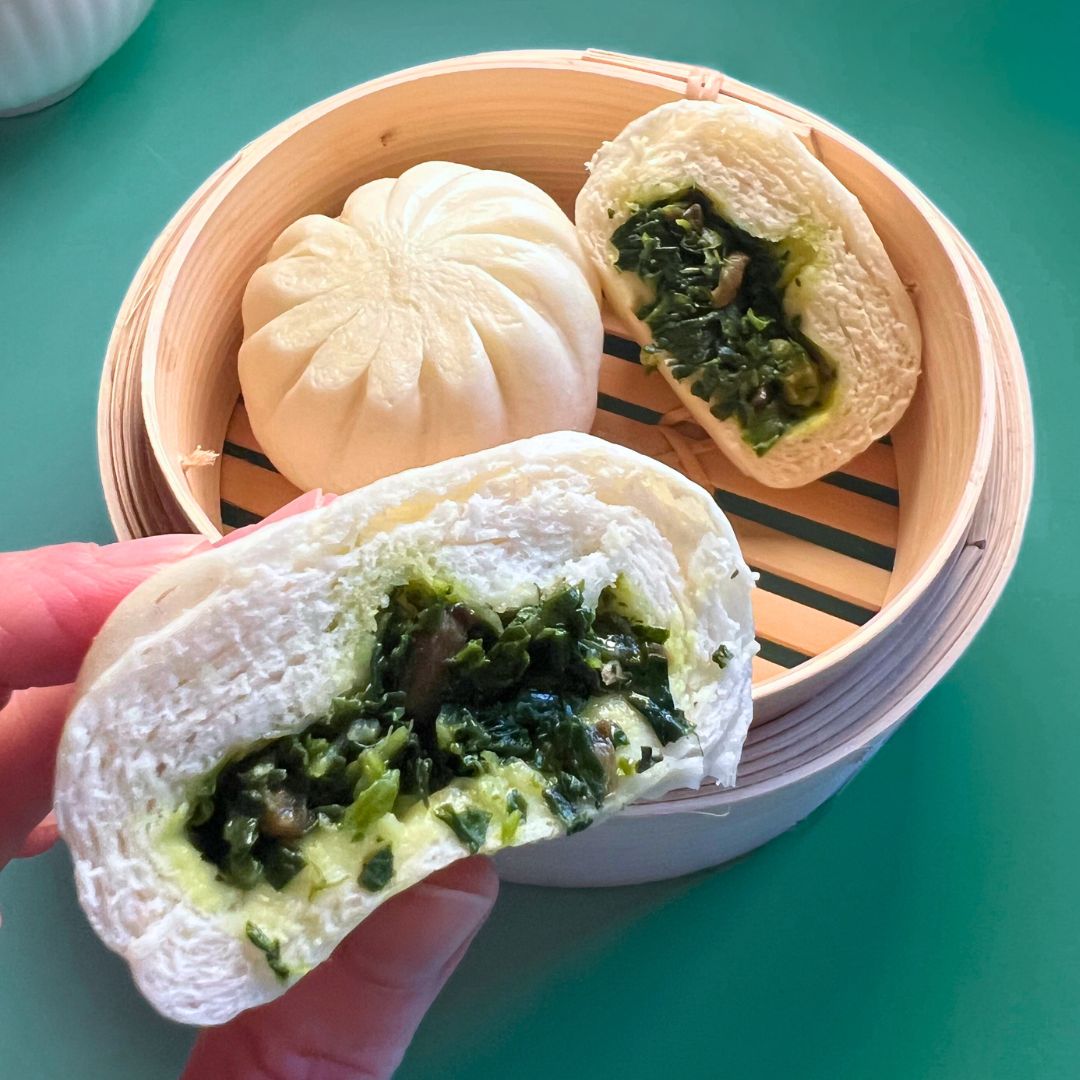
The green vegetable buns were the first real standout. Soft, cloud-like dough gave way to a savoury filling of pak choi, mushroom and ginger. The contrast between the fluffy exterior and the juicy centre was exactly what you hope a steamed bun will be but rarely achieve at home. They disappeared faster than intended.
The siu mai followed and were arguably the best dish of the evening. The prawn and sweetcorn combination was sweet without being cloying, and the slightly firmer wrapper held everything together neatly. These were the most accomplished dish of the evening — balanced, neatly wrapped and satisfying without heaviness, the kind of bite that makes you pause mid-conversation.
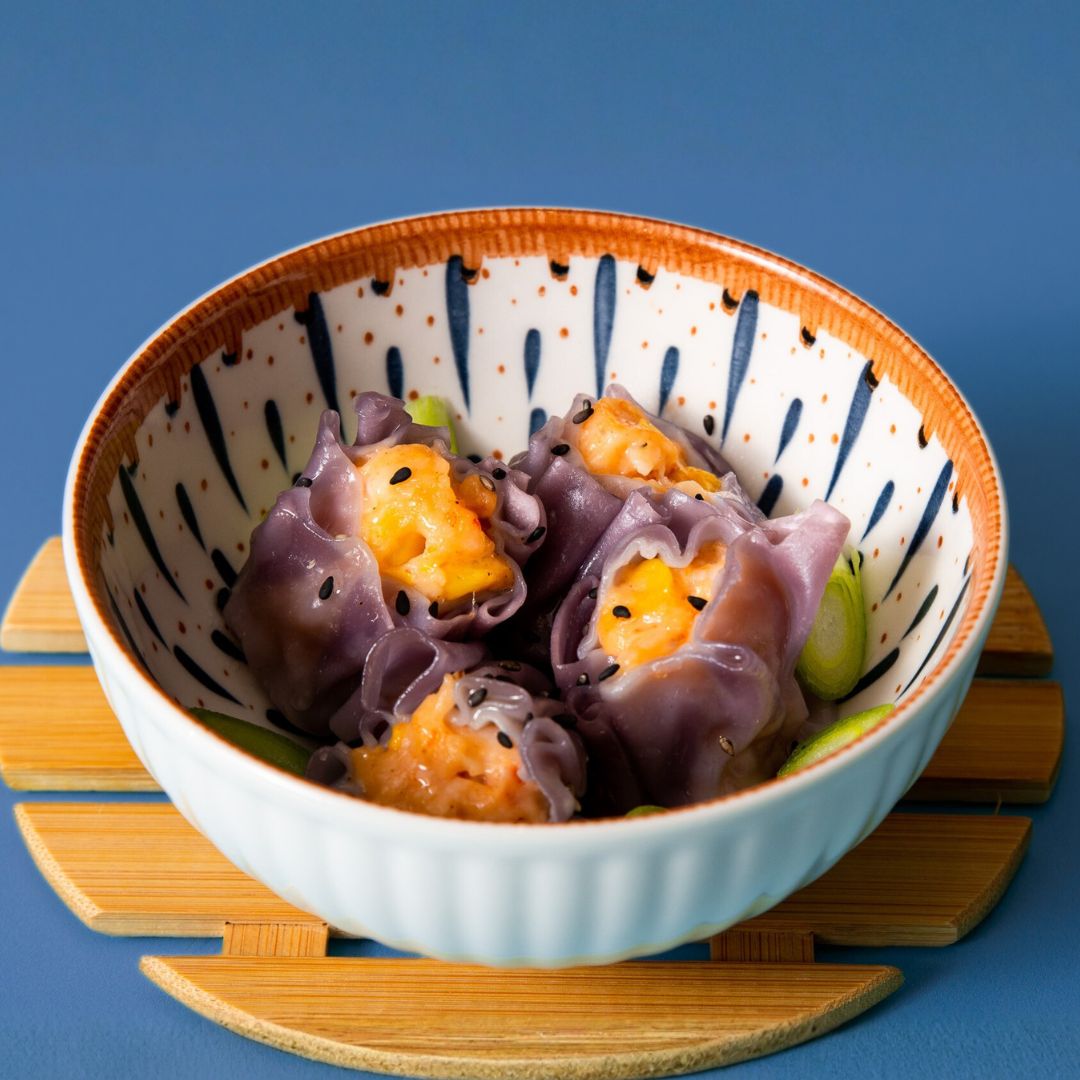
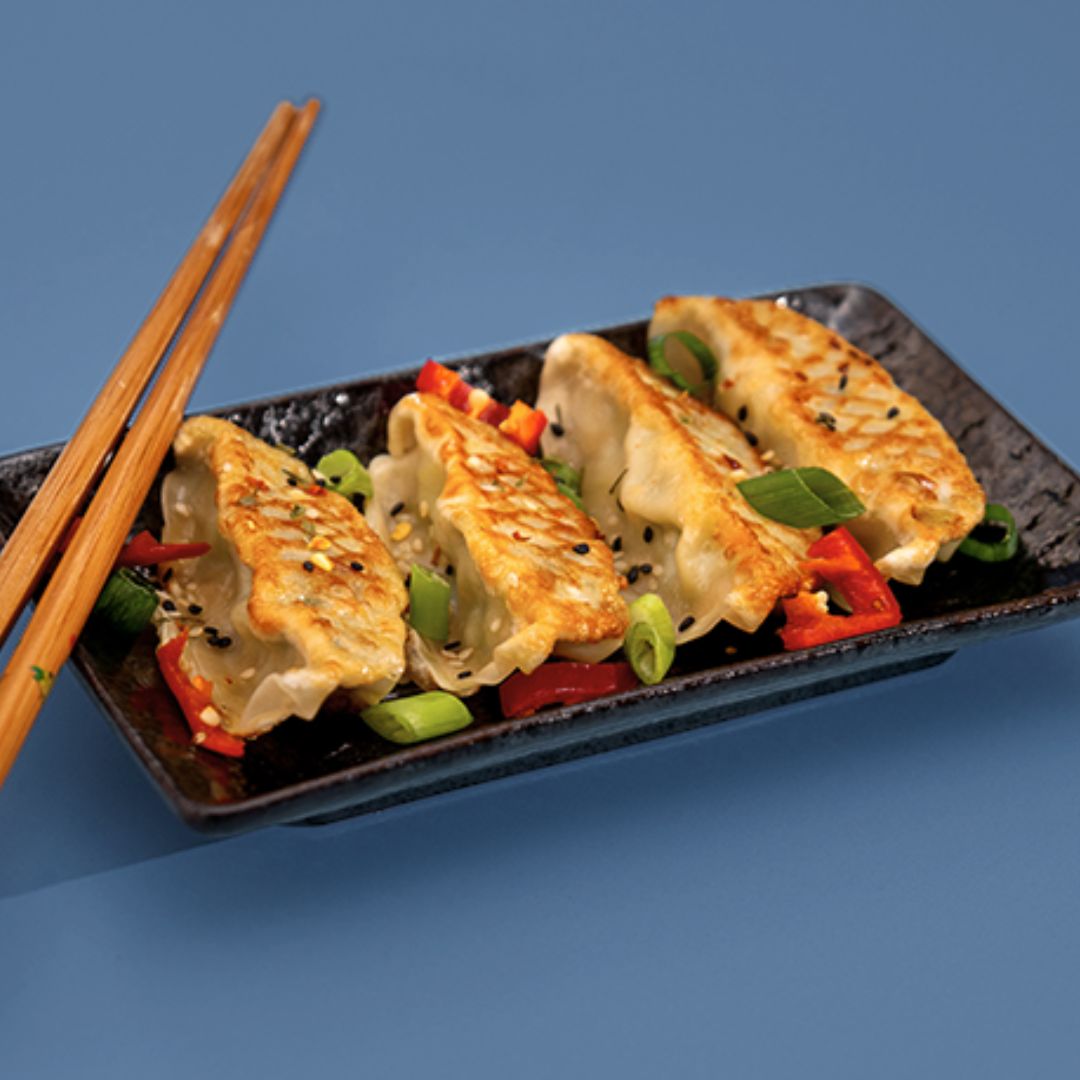
The seafood dumplings and prawn gyoza were more delicate, lighter in flavour, and worked well eaten slowly between other dishes. The vegetable and potato gyoza, by contrast, leaned comfortingly hearty, the potato giving a gentle richness that suited a winter evening.
One element divided opinion: the tofu vegetable parcels. The flavours were pleasant, but the texture lacked the balance the other dishes achieved, softer and less structured than the dumplings. They were perfectly edible, just overshadowed by stronger companions.
Throughout the meal, dishes arrived in waves. Nothing cooled, nothing rushed. Cooking was limited to a few minutes at a time, which meant the evening stayed centred around the table rather than the stove.
What became noticeable was the rhythm. Steam rising, chopsticks reaching, tea poured, then back to conversation while the next basket cooked. It encouraged lingering in a way a single plated meal rarely does.
Why it Works as a Home Celebration
Modern life rarely allows the long, communal feasts many traditions were built around, but most cultures express celebration through symbolic foods, whether dumplings at Lunar New Year or date-filled ma’amoul baked for Eid. Work schedules, distance, and practicality reshape how we celebrate. Kits like this don’t replace the cultural origins of the festival, but they do allow participation rather than observation, helping us recreate dishes from travels or hosting travel-inspired catering evenings at home.
You’re not just reading about a holiday happening elsewhere. You are marking it — even in a small way. And that, ultimately, is what festivals are for: pausing ordinary time.
For us, it became less about trying a product and more about marking a moment.
Lunar New Year Dim Sum at Home: Frequently Asked Questions
Do you need a bamboo steamer to cook the dim sum?
No. Most items can be cooked by steaming in a standard steamer, pan-frying or briefly baking depending on the dish. A steamer is useful but not essential, and one can be added to the kit if needed.
Is it difficult to prepare?
Preparation is straightforward. The dishes arrive ready to cook and require only a few minutes each, making the process closer to assembling a shared meal than attempting restaurant-level cooking.
Can it be cooked for just two people?
Yes. The boxes are designed for different group sizes (roughly two to eight people depending on the selection), and because the dishes are cooked in stages you don’t need to prepare everything at once. You can cook a few items for a smaller meal and keep the remaining portions frozen for another occasion, and extra accompaniments can be added if catering for a larger gathering.
What makes dim sum suitable for Lunar New Year?
Dim sum is traditionally eaten communally and many dumplings symbolise prosperity and togetherness, which aligns with the festival’s focus on family, renewal and shared celebration.
Practical Details
The kits are delivered nationwide in insulated, sustainable packaging and can be kept frozen until needed, making them workable both for planned celebrations and spontaneous gatherings.
Most of the dishes require only steaming, pan-frying or brief oven cooking, with each item taking just a few minutes to prepare. It makes the experience feel far more accessible than traditional restaurant fare, which often seems out of reach at home — dishes such as aromatic crispy duck long felt firmly in the territory of dining out rather than domestic kitchens. A biodegradable or bamboo steamer can also be added if needed, removing the requirement for specialist equipment.
While we tried the pescatarian selection, the company offers a range of alternative boxes, including vegetarian and meat options, along with optional extras and steamers, making it adaptable for different households and dietary preferences.
Closing Reflection
In many ways, that rhythm may be the real reason dim sum endures. It is not simply food but structure — a meal designed around time spent together.
A delivered kit will never replace long family banquets or bustling restaurant dining rooms, but it does something else: it lowers the barrier to participation. Instead of observing a celebration, you enact a small version of it yourself.
And in a cold February, marking the turn of the year with warm food, shared plates and an intentionally slow evening feels quietly appropriate.
For anyone curious about marking Lunar New Year at home, a shared dim sum meal turns out to be an unexpectedly gentle place to begin.
Image credit: Some product images courtesy of Ding Dong Dim Sum.
Stay in Touch
Culinary Travels publishes destination guides, seasonal recipes, and food-led travel features from the UK and beyond.
Follow for new articles and updated travel resources:
Facebook | Instagram | Pinterest
Newsletter
Receive new guides, recipes, and occasional travel planning notes by email: Subscribe here
Reader feedback and local recommendations are always welcome via the contact page.

©2026 Culinary Travels. Culinary Travels is written and edited by Georgina Ingham | Website designed by The Smarter Web Company
What Our Followers Say
"Oh yum!!! I could eat one or two right now!"
Sami Tamimi
"Georgina was great to work with, quick to respond, and is an excellent content writer - would highly recommend collaborating with her!"
Nick S, Get Blogged
Our list of things to do in Cork has just expanded hugely thanks to Culinary Travels.
Triskel Art Centre Cork