
Blog


The Ultimate Airport Survival Guide: Family, Solo & Budget Hacks for Stress-Free Travel
Some posts on Culinary Travels may contain affiliate links, meaning I may earn a small commission at no extra cost to you. I only recommend places and experiences that align with the values and tone of the site.
Airports can feel like a mini-adventure—or a full-blown stress test—especially during peak school holiday travel. There’s the hum of overhead announcements in multiple languages, the shuffle of impatient travellers dragging wheeled suitcases across polished floors, and that unmistakable scent of reheated pastries and over-priced coffee wafting from every corner. Kids wobble on tired legs, phones glow in the hands of scrolling teens, and the queue snakes ever onward towards security. A single delayed flight can turn a carefully planned morning into a test of patience and ingenuity.
Whether you’re flying solo and craving a quiet corner to catch up on a book, navigating airport security with children in tow, or trying to keep airport spending under control, a busy terminal can feel like its own form of travel. This airport survival guide is designed to help UK travellers move through airports more calmly, comfortably, and confidently — from security queues and food stops to keeping children entertained and costs in check — with practical tips, family-friendly advice, and budget-savvy hacks that work year-round.
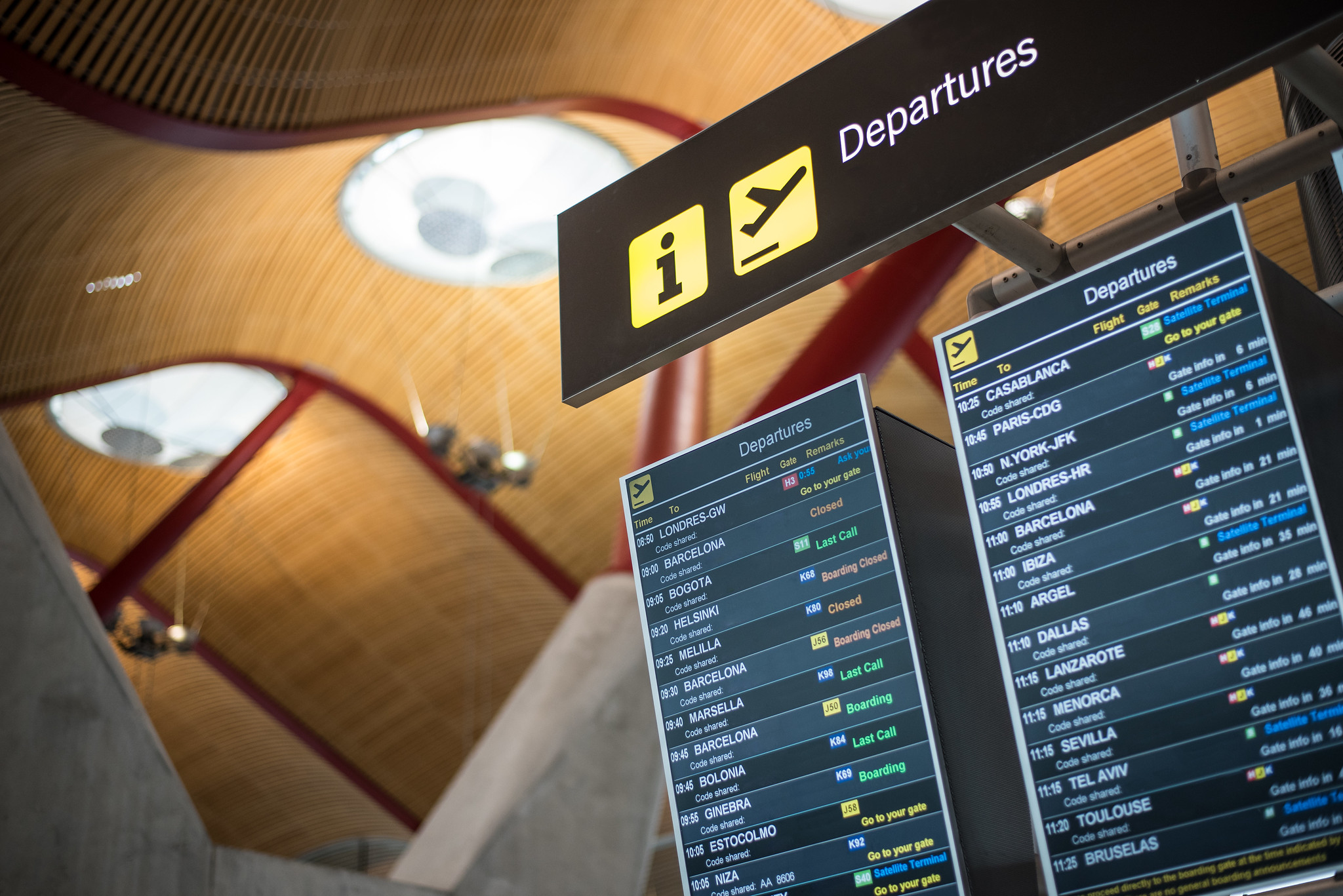
Family Survival Mode: Making Travel with Kids Manageable
Travelling with children can feel like orchestrating a small circus, complete with luggage, snacks, and a cast of unpredictable performers. But with a little planning, an understanding of airport facilities, and a few well-chosen essentials, airport travel with kids can become surprisingly manageable — and even enjoyable.
Airport Play Areas in UK Terminals
Few things soothe a restless toddler like a proper run-around before boarding. Many UK airports now offer dedicated children’s play areas to help little travellers burn off energy before take-off. Heathrow’s ‘Stay & Play’ soft-play zones are available across all terminals and open daily. Manchester Airport features ‘Little Flyers’ in Terminal 1, alongside baby care and feeding rooms throughout the airport. Gatwick’s North Terminal has a free play area after security, while Birmingham Airport’s Sky Zone operates 24 hours near Gates 1–20, ideal for delays or early-morning flights. Bristol Airport also offers a pre-bookable Sensory Room, providing a calm, supportive environment for neurodivergent children.
Pushchairs, Baby Care & Feeding Facilities
Knowing your pushchair options can save a surprising amount of stress at the airport. Heathrow, Gatwick, Manchester, and Stansted allow families to use their own pushchairs right up to the boarding gate, with return on arrival. Luton and Birmingham provide loan pushchairs, sometimes for a small refundable deposit. Baby-changing and feeding rooms are standard across UK airports, and security rules allow baby food, milk, and sterilised water within set limits. Knowing where these facilities are in advance can make all the difference when travelling with infants or toddlers.
Family-Friendly Airport Dining
Meal times and boarding schedules don’t always align neatly. Most UK airports now offer children’s menus and family-friendly restaurants, and Heathrow often runs a ‘Kids Eat Free’ promotion during school holidays. Still, carrying familiar snacks in your hand luggage can prevent hunger-related meltdowns and reduce airport food costs — especially during long delays or late departures.
Fast Track Security for Families
Security queues are rarely fun, but they can be particularly challenging with young children. Several UK airports offer family-friendly Fast Track options. Belfast International, Gatwick, and Edinburgh provide free Fast Track for children under two, while Glasgow offers it for under threes when accompanied by a paying adult. At Luton, children travelling with an adult Fast Track ticket-holder can use the priority lane. Even a short reduction in queue time can dramatically improve the airport experience for families.
All-Season Airport Clothing Tips
Airports are notoriously unpredictable when it comes to temperature. Terminals can be chilly, boarding bridges draughty, and arrival destinations much warmer. Dressing in layers is key. Lightweight jumpers, removable scarves, slip-on shoes for security, and spare socks for children make navigating terminals far more comfortable. A compact travel blanket or wrap in your carry-on adds warmth and familiarity, whatever the season.
Solo Traveller Tips: Making Airports Work for You
Solo travel brings freedom and flexibility, but airports can still test your patience. With a little preparation, waiting time can become an opportunity for rest, productivity, or quiet enjoyment.
Quiet Zones and Airport Lounges
Finding the right spot can transform your time in the terminal. Many UK airports offer quiet seating areas, lounges, or less-used gates where you can read, work, or simply decompress. Window seats near quieter departure gates often provide plug sockets, runway views, and a sense of calm away from the main crowds.
What to Wear for Airport Travel
Layering works just as well for solo travellers as it does for families. Light jumpers, scarves, and comfortable shoes that are easy to remove at security keep you comfortable throughout the journey. A compact travel wrap tucked into your hand luggage is a small luxury that pays off on long waits or cold flights.
Essential Airport Apps and Travel Tools
Your smartphone is one of the most useful airport travel tools. Flight-tracking apps, terminal maps, and food-finding apps save time and reduce stress. Offline translation apps help decode signage or announcements in unfamiliar languages, while airline and loyalty apps often unlock lounge access, Fast Track passes, or dining discounts.
Entertainment and Wellbeing for Solo Flyers
Packing light has perks, but a few carefully chosen distractions make all the difference. A gripping novel, a podcast series you’ve been meaning to catch up on, or a small travel journal for sketches and reflections can turn waiting into a quiet pleasure. Some airports even have short walking routes or tiny gyms tucked away between terminals—perfect for stretching legs and resetting the mind before a long flight.
Language & Navigation Tips
Even familiar UK airports can feel labyrinthine when announcements blur together in multiple languages. Keep your eyes on screens, notice visual cues, and double-check departure boards frequently. A quick translation app can save precious minutes—or prevent accidentally wandering into the wrong terminal. Small preparations like these make solo travel feel less like navigating a maze and more like a smooth, intentional journey.
Insider Timing Tips
Timing can make or break the airport experience. Early morning flights often mean calmer terminals, but late evenings can be quieter if you’re prepared to adjust your routine. Families may need extra buffer time through security, while solo travellers can sometimes shave a few minutes off. Observing patterns—when queues form, when cafés are busiest, or when plug sockets are easiest to snag—lets you move through the airport like a well-prepared insider rather than a frantic first-timer.
Budget Savvy Hacks: Keep Airport Spending Under Control
Airports have a way of quietly devouring your wallet. That £7 panini suddenly seems mandatory, the bottled water a necessity, and before you know it, you’re staring at a receipt that could have bought a proper lunch back home. But travel doesn’t have to be expensive if you know a few simple hacks.
Food and Drink Savings
Pack snacks like a seasoned traveller. Granola bars, fruit, or a well-wrapped sandwich can be lifesavers when hunger strikes mid-security or at the gate. Many UK airports have free water fountains—fill up a reusable bottle and skip the over-priced plastic alternatives. Coffee? Compare prices. Sometimes a small café tucked away from the busiest gates will charge half what the main thoroughfare café does, without compromising taste. A little planning can turn every bite and sip into a small victory.
Loyalty Schemes and Airport Discounts
Airline loyalty points aren’t just for flights. Many airports and eateries offer vouchers, discounts, or seasonal promotions. Heathrow, for example, runs its school holiday ‘Kids Eat Free’ promotion, saving families a chunk of change. Even if you’re flying solo, small perks like this—or signing up for a café loyalty card—can add up faster than you’d expect over a busy travel season.
Avoiding Hidden Fees
The sneaky ones are often the hardest to spot: extra luggage charges, small security items, last-minute purchases that feel unavoidable. Check allowances before you arrive, bring your own reusable utensils or bottles, and resist impulse buys unless truly essential. A few conscious choices can keep costs under control, leaving more budget for the actual adventure once you land.
Sustainable Airport Travel Choices
Keeping airport costs down and travelling more sustainably often go hand in hand. Refillable water bottles, reusable cutlery, and choosing ethically sourced snacks reduce both waste and unnecessary spending while you wait. Many terminals have water fountains and recycling points, making it easy to stay hydrated and fed without relying on single-use plastic or overpriced packaged items. If you’re interested in packing with sustainability in mind more broadly, this eco travel packing guide goes into more detail.
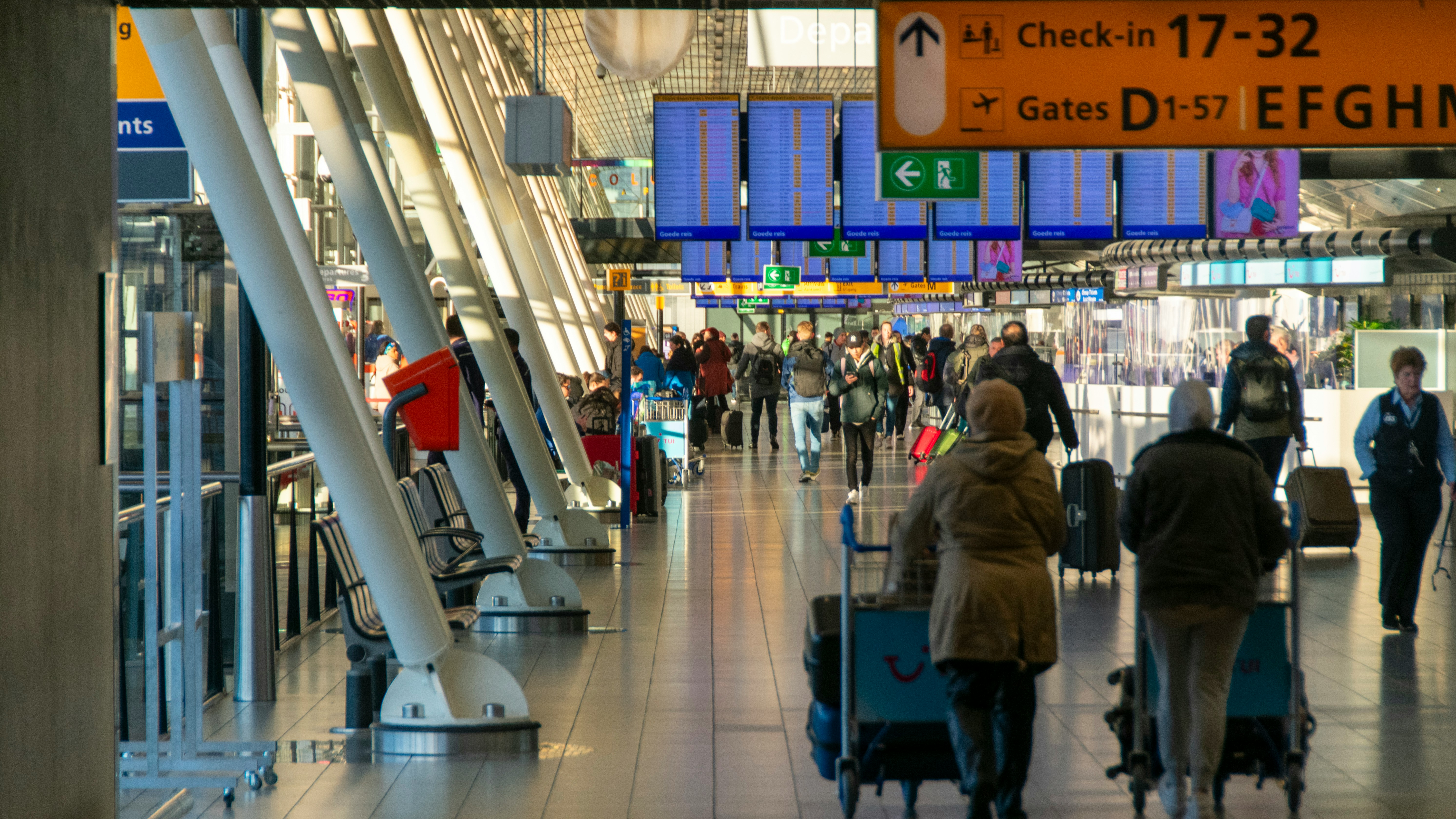
Know Your Rights: Staying Calm When Flights Go Wrong
Even the smoothest travel plans can hit turbulence at the airport. Delays, cancellations, or missing luggage can feel like a personal attack — but knowing your rights as a UK traveller can turn panic into practical action. Clear regulations exist to protect passengers, and understanding them before you fly gives you confidence and leverage when things don’t go to plan.
Delays, Cancellations and Compensation
Under UK law — and EU regulations that still apply in many cases — airlines may owe compensation if your flight is delayed or cancelled. Keep all documentation: boarding passes, receipts, and emails. Check your airline’s official policy and claim channels, and refer to guidance from the UK Civil Aviation Authority if you’re unsure of your entitlements. Staying calm and organised often speeds things up more than frantic calls at the gate.
Denied Boarding & Lost Baggage
If you’re bumped from a flight or discover lost luggage, staying composed is essential. Ask for written confirmation of what happened, follow the airline’s procedures, and escalate politely if needed. Clear records and calm persistence are your strongest tools.
Package Holidays vs Independent Bookings
Booking a package holiday through a UK-based operator adds an extra layer of protection. Because flights and accommodation are sold together, the operator is legally responsible for delivering the trip as promised. If a flight is cancelled or accommodation falls short, they must provide alternatives or compensation under Package Travel Regulations. Independent bookings — flights and hotels purchased separately — don’t always offer the same level of security, which is why many UK travellers prefer the reassurance of a single, protected booking.
Resources & Tools
Bookmark official UK passenger rights websites, EU guidance where relevant, and your airline or tour operator’s customer service channels. Having this information ready before you travel means you’re prepared for disruptions — without last-minute stress.
Tip
These protections apply primarily to UK travellers. Non-UK residents or bookings made abroad may have different entitlements, so it’s always worth checking local regulations when flying from overseas.
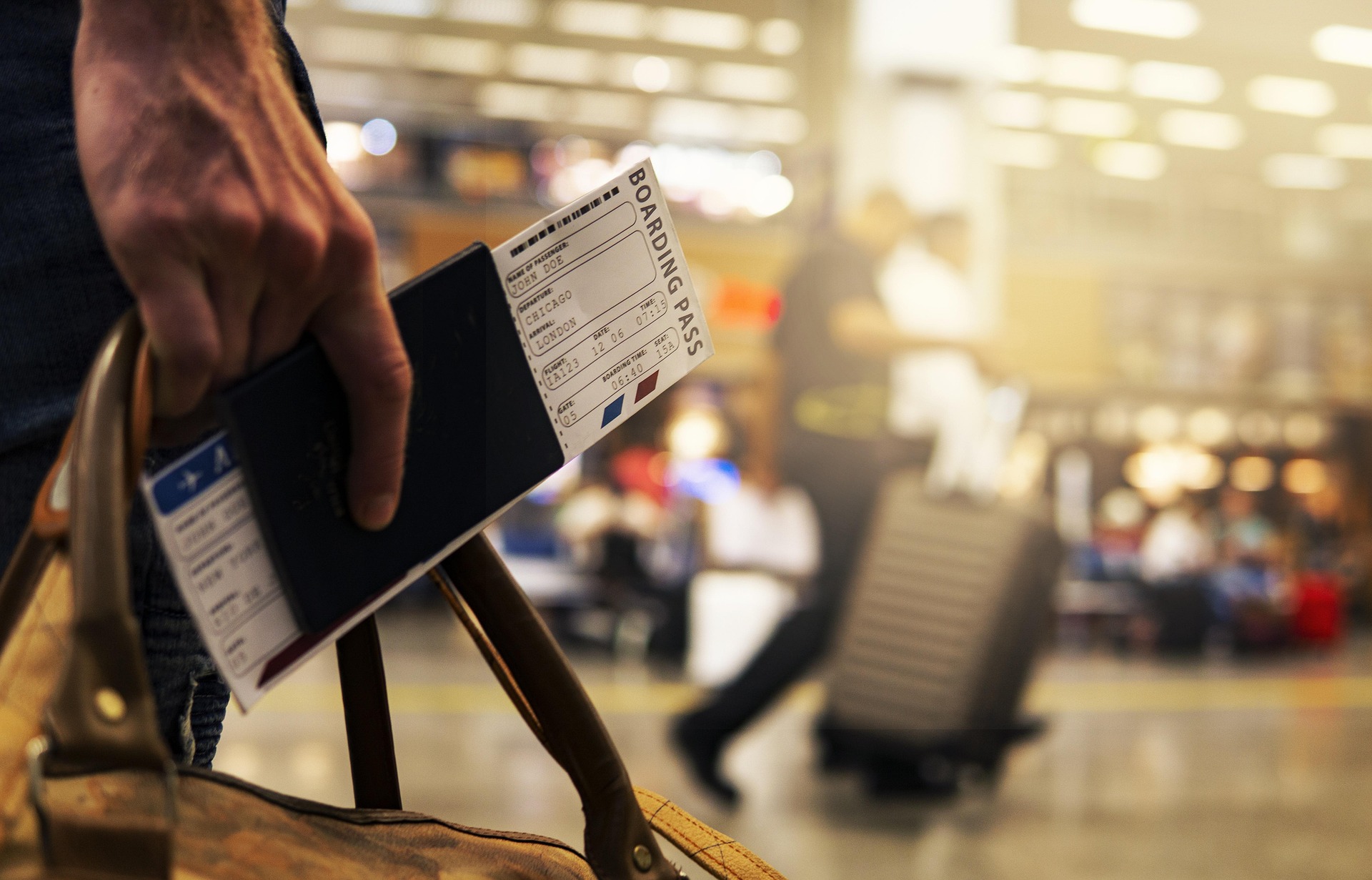
Extra Life Hacks: Airport Comfort & Convenience
Sometimes it’s the small things that make the difference between a frazzled airport experience and one that feels almost… pleasant. A little preparation and a few clever tricks can transform hours of waiting into moments of calm, comfort, or even quiet amusement.
Charging & Connectivity
There’s nothing worse than a dying phone halfway through check-in. Scout plug points as soon as you arrive, and carry a small power bank for emergencies. Some terminals even have dedicated charging zones—arm yourself with knowledge of where they are and you’ll never have to awkwardly hover beside a lone socket again. For solo travellers or parents juggling devices for the kids, staying powered up can make all the difference between streaming your favourite podcast or sitting in frustrated silence.
Wi-Fi & Seating
A comfortable spot can feel like a small luxury in the chaos of a busy airport. Look for free Wi-Fi and quiet seating near your gate, often tucked away behind the busiest thoroughfares. Window seats not only offer runway views (excellent for people-watching or calming restless kids) but usually have plug sockets as well. Even a ten-minute stretch in a quiet corner can reset your patience and make boarding feel less like a frantic scramble.
Quick Luggage Access
Packing strategically pays off before you even leave the terminal. Clear packing cubes keep everything visible at a glance, and storing essentials—like passports, snacks, or headphones—in an easily accessible bag saves frantic rummaging at security or gate checks. Familiarise yourself with bag storage options at your airport; some terminals have luggage trolleys, lockers, or benches specifically designed for quick drop-off or hand luggage organisation.
Unexpected Delights
Not every moment at an airport has to be about queues and announcements. Keep an eye out for airport art installations, quirky shops, or a window seat with a view of the runway. People-watching—whether it’s a hurried parent, a sleepy business traveller, or a fellow solo adventurer—can turn idle waiting into a small, unexpected joy. Sometimes the smallest observations make the journey feel like a mini-adventure before you even board.
Health & Wellbeing
Even a few minutes of movement can save the day. Stretching at the gate, walking terminals, or using a small gym if available can reset your body after hours of sitting. Staying hydrated is crucial—airplane air is dry, and water fountains in terminals are your best friends. For a little mental calm, mindful breathing, a quick meditation app, or a favourite podcast can turn travel stress into something more manageable. These small, intentional choices help even the busiest school holiday airport feel less overwhelming.
Final Tip
No matter your travel style — solo, family, or somewhere in between — planning ahead is the secret to a smoother airport experience. A flexible mindset, a handful of snacks, charged devices, and a little patience can turn the usual holiday chaos into a journey that feels surprisingly under control. Sometimes it’s the tiny comforts that make a big difference: a warm scarf, a quiet corner, or simply knowing where the nearest plug socket is.
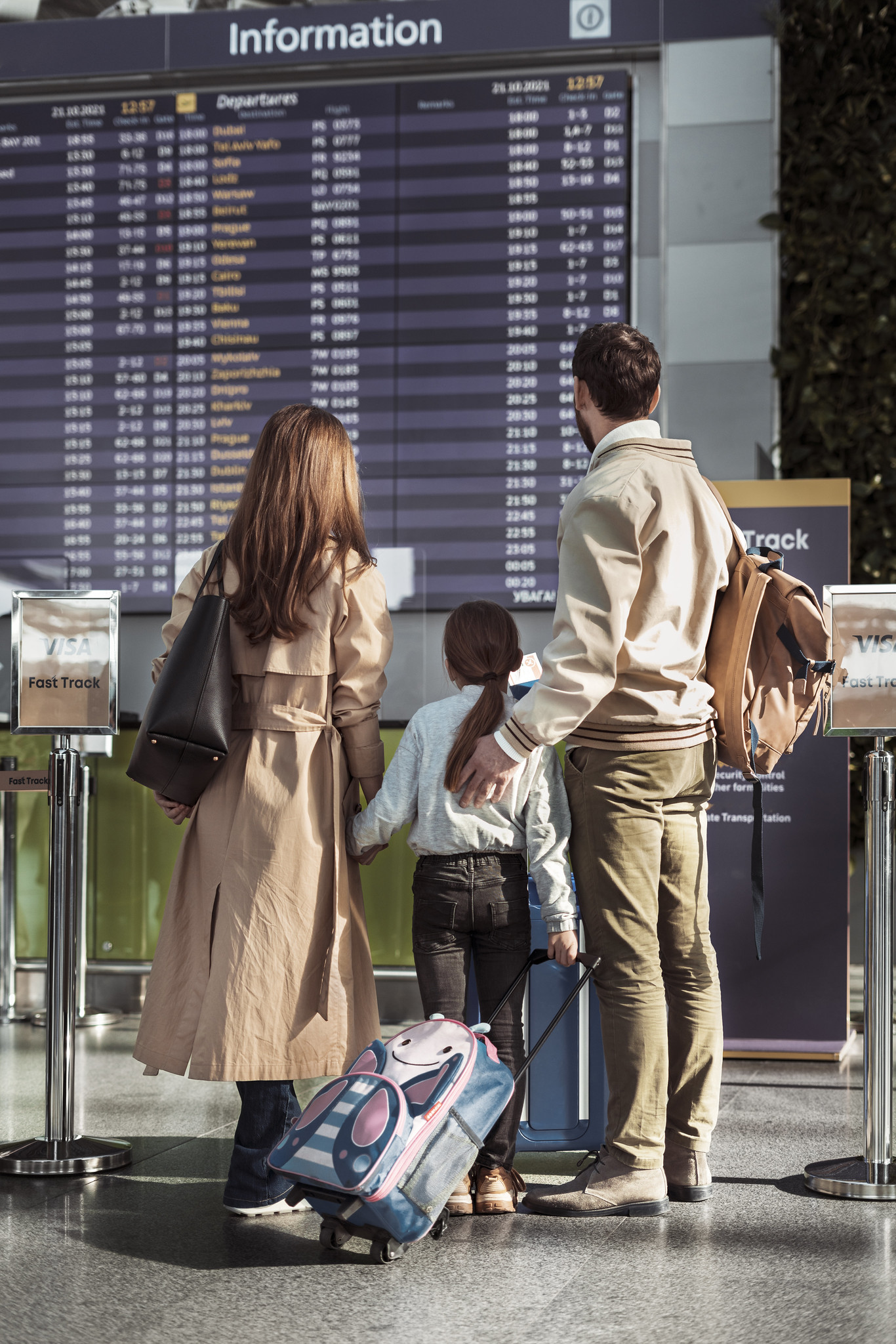
FAQ: Quick Answers for Airport Peace of Mind
Do I really need to arrive so early?
It depends on the airport, airline, and whether you’re travelling with children. For most UK flights two to three hours before departure gives you a comfortable buffer for check-in, security, and a coffee break. If you’re flying solo and light, you might shave a little off—but give yourself extra time during peak holiday periods.
Can I bring my own food and drinks through security?
Yes, with some limits. Baby food, milk, and sterilised water are generally allowed, and most airports now permit small snacks for travellers. Just remember: liquids over 100ml in hand luggage need to be declared and placed in the security tray. Packing your own snacks can save both money and hangry moments.
What about pushchairs and baby gear?
UK airports are generally accommodating. Heathrow, Gatwick, Manchester, and Stansted let families wheel pushchairs right to the gate. Luton and Birmingham offer loan pushchairs, sometimes for a small deposit. Baby-changing and feeding rooms are standard—check your terminal map before you travel.
How do I know if I qualify for compensation?
For delays, cancellations, or denied boarding, UK and EU rules offer protections. Keep all boarding passes, receipts, and emails. Package holiday bookings provide additional safeguards, as your operator is responsible for ensuring flights and hotels are delivered as promised. Check official websites or your airline’s guidance for exact entitlements.
What if I don’t speak the language well?
Visual cues, screens, and translation apps are your best friends. Many announcements are multilingual, but simple gestures like watching gate screens, following signage, and using an offline translation app can prevent confusion. A little preparation here saves a lot of stress.
Is it worth booking a package holiday over independent flights and hotels?
Both have their advantages, but a package holiday can be reassuring especially as a novice traveller - they do provide valuable added protection. With a UK-based package, the operator takes responsibility for any disruption, from cancelled flights to hotel issues. Independent bookings can offer flexibility, but the safety net isn’t quite the same.
Any final hacks for comfort?
Layer up, bring snacks, charge your devices, and know your airport’s quiet corners and plug sockets. Even small comforts—a travel wrap, a well-packed bag, a little patience—can transform the hours before take-off into a surprisingly pleasant part of the journey.
Conclusion: A Calmer Way to Travel
Airports don’t have to be stressful battlegrounds. With a little preparation, a few insider tricks, and a flexible mindset, the hours before take-off can become a manageable — and even enjoyable — part of your journey. Families can find calm in play areas, feeding rooms, and fast-track queues; solo travellers can carve out quiet corners, catch up on work or reading, and explore small hidden comforts; budget-savvy travellers can dodge overpriced snacks and make loyalty perks work in their favour.
Remember airports rarely run perfectly on schedule. Embracing a little patience — and humour — can turn small frustrations into minor anecdotes rather than full-blown stress. A flexible mindset, paired with the right preparation, can make you feel more in control than the busiest terminal ever intended.
Knowing your rights, especially when booked on a UK-based package holiday, adds an extra layer of security, while practical life hacks — from charging devices to clear packing cubes — keep everyday frustrations at bay. Layer up, plan ahead, and pack a few essentials, and even the busiest school holiday time airport can feel surprisingly under control.
Ultimately, an airport is just the start of the adventure. I always travel with a book — reading has become part of how I slow airports down — and I share what I’m reading over on Reads, Eats & Explores. With calm, preparation, and a little insider know-how, you can step from terminal to take-off with confidence, ready for whatever the skies have in store.

Note: Some details on airport family facilities and seasonal promotions are informed by third-party research, including information from Airport Parking and Hotels, alongside publicly available airport guidance. Facilities, policies, and offers can change, so it’s always worth checking directly with your departure airport before travelling. Stock photography has also been used from a variety of sources.
Stay in Touch
Culinary Travels publishes destination guides, seasonal recipes, and food-led travel features from the UK and beyond.
Follow for new articles and updated travel resources:
Facebook | Instagram | Pinterest
Newsletter
Receive new guides, recipes, and occasional travel planning notes by email: Subscribe here
Reader feedback and local recommendations are always welcome via the contact page.



©2026 Culinary Travels. Culinary Travels is written and edited by Georgina Ingham | Website designed by The Smarter Web Company
What Our Followers Say
"Oh yum!!! I could eat one or two right now!"
Sami Tamimi
"Georgina was great to work with, quick to respond, and is an excellent content writer - would highly recommend collaborating with her!"
Nick S, Get Blogged
Our list of things to do in Cork has just expanded hugely thanks to Culinary Travels.
Triskel Art Centre Cork